
Leach Lab
Advancing biomaterials research for tissue engineering and regenerative medicine
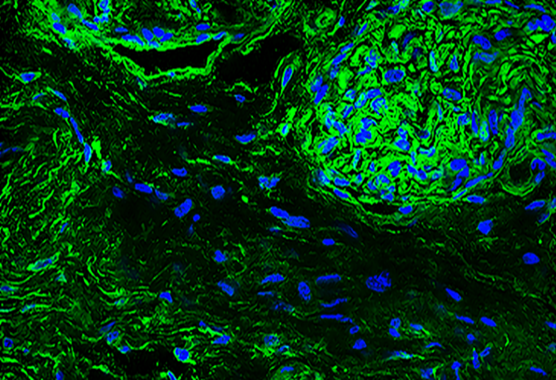
Research
Advancing Orthopaedic Research
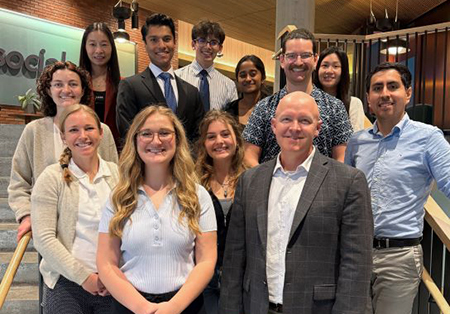
Research in the Leach laboratory is in the broad area of biomaterials and tissue engineering to address key clinical challenges affecting society. We seek to engineer functional replacement and temporary bridge tissues while also developing model systems to study physiological and pathophysiological tissue formation. Our projects are broad in scope, pursuing innovative research in bone, muscle, cartilage, and skin tissue engineering, as well as developing approaches to interrogate and combat cancer. We use these platforms to explore tissue crosstalk to better understand the interplay of organ system homeostasis and repair. To achieve our goal, we use various technologies, including polymer synthesis, study of the response of stem and progenitor cells to the material, microfluidics, mechanical testing from the micrometer to meter scale, 3D bioprinting, spatial transcriptomics, and nondestructive imaging (microscopy techniques, microcomputed tomography, ultrasound).
All projects in the lab are linked by the hypothesis that combinatorial approaches to tissue formation are superior to individual stimulation. More specifically, successful tissue engineering approaches will be realized upon the proper spatial and temporal presentation of cells, signaling molecules, biomaterials, and mechanical stimulation. We are highly collaborative and eager to deploy our systems to address pressing clinical challenges.
-

J. Kent Leach, Ph.D.
Read biographyVice Chair of Research
Professor of Orthopaedic Surgery and Biomedical Engineering
Lawrence Ellison Endowed Professor of Musculoskeletal Research
Explore the Leach Lab
-
Developing Novel Biomaterials with a Focus on Granular Hydrogels
Granular hydrogels provide numerous advantages compared to bulk hydrogels, including the ability to decouple polymer stiffness from scaffold porosity, presentation of instructive cues, and potential for heterogeneous combinations of these building blocks. We have studied microgel annealed scaffolds through manipulating composition, pore volume, electroconductivity, and peptide presentation. These tunable material platforms are exciting options to propel cell transplantation and pursue desired clinical outcomes. Currently, we are using these platforms in the engineering of cartilage, bone, and muscle to treat large, non-healing tissue defects.
- Lowen JM, Wheeler EE, Shimamoto NK, Ramos-Rodriguez DH, Griffin KH, Bond GC, Leach JK. Functionalized annealed microgels for spatial control of osteogenic and chondrogenic differentiation. Adv Funct Mater. 2024 Jul 24;34(30) PubMed Central PMCID: PMC12341486.
- Casella A, Lowen J, Griffin KH, Shimamoto N, Ramos-Rodriguez DH, Panitch A, Leach JK. Conductive microgel annealed scaffolds enhance myogenic potential of myoblastic cells. Adv Healthc Mater. 2024 Oct;13(25):e2302500. PubMed Central PMCID: PMC11759339.
-
Cell-Manufactured Matrices for Regulating Cell Fate
Our group was one of the first to describe the potential of using mesenchymal stem/stromal cells (MSCs) to synthesize a potent, bioactive, biomimetic matrix capable of directing cell function. This top-down approach to biomaterials synthesis via decellularization yields a fully functional material formed without nutrient limitations that occur in 3-dimensions, can be deployed on a variety of substrata, and serves as a valuable model platform for developing tissue. In addition to promoting cell adhesion and osteogenic differentiation, our data confirmed this matrix can be chemically manipulated to regulate growth factor binding. Currently, we are using this matrix as a drug delivery platform to guide cell differentiation, to reduce the detrimental effects of senescent cells, and to improve cell survival and differentiation for bone and cartilage formation.
- Fok SW, Gresham RCH, Ryan W, Osipov B, Bahney C, Leach JK. Macromolecular crowding and decellularization method increase the growth factor binding potential of cell-secreted extracellular matrices. Front Bioeng Biotechnol. 2023;11:1091157. PubMed Central PMCID: PMC9899907.
- Gonzalez-Fernandez T, Tenorio AJ, Saiz AM Jr, Leach JK. Engineered cell-secreted extracellular matrix modulates cell spheroid mechanosensing and amplifies their response to inductive cues for the formation of mineralized tissues. Adv Healthc Mater. 2022 May;11(10):e2102337. PubMed Central PMCID: PMC9117430.
- Harvestine JN, Gonzalez-Fernandez T, Sebastian A, Hum NR, Genetos DC, Loots GG, Leach JK. Osteogenic preconditioning in perfusion bioreactors improves vascularization and bone formation by human bone marrow aspirates. Sci Adv. 2020 Feb;6(7):eaay2387. PubMed Central PMCID: PMC7015678.
-
Cell Aggregation Enhances Cell-Based Bone and Muscle Regeneration
Individual, dissociated cells commonly suffer from rapid decline upon implantation, likely due to a severe change in microenvironment and separation from their endogenous matrix during in vitro culture conditions. We continue to examine the capacity of cellular aggregates, spheroids, of stem and progenitor cells to exhibit markedly enhanced survival in ischemic conditions, as well as significant upregulation in endogenous trophic factors and cytokines. These actions are further dictated by the biophysical properties of the biomaterial used to deliver the spheroids.
- Ramos-Rodriguez DH, Fok SW, Dorais CJ, Filler AC, Caserta M, Leach JK. Decellularized extracellular matrix improves mesenchymal stromal cell spheroid response to chondrogenic stimuli. Tissue Eng Part A. 2025 Feb;31(3-4):139-151. PubMed Central PMCID: PMC11971541.
- Thai VL, Ramos-Rodriguez DH, Mesfin M, Leach JK. Hydrogel degradation promotes angiogenic and regenerative potential of cell spheroids for wound healing. Mater Today Bio. 2023 Oct;22:100769. PubMed Central PMCID: PMC10450977.
- Gionet-Gonzales MA, Gresham RCH, Griffin KH, Casella A, Wohlgemuth RP, Ramos-Rodriguez DH, Lowen J, Smith LR, Leach JK. Mesenchymal stromal cell spheroids in sulfated alginate enhance muscle regeneration. Acta Biomater. 2023 Jan 1;155:271-281. PubMed Central PMCID: PMC11970561.
-
Development Of Cell-Instructive Platforms for Modeling Cancer
We reported several materials-based strategies to serve as models of the tumor microenvironment. These tunable material platforms are invaluable to interrogate cell function and tumor cell behavior in response to their mechanical and chemical environment. These platforms provide reproducible model systems for studying disease and testing the efficacy of new therapeutics.
- Sagheb IS, Coonan TP, Randall RL, Griffin KH, Leach JK. Extracellular matrix production and oxygen diffusion regulate chemotherapeutic response in osteosarcoma spheroids. Cancer Med. 2024 Sep;13(18):e70239. PubMed Central PMCID: PMC11413413.
- Griffin KH, Mizenko RR, Arun V, Carney RP, Leach JK. Extracellular vesicles from highly metastatic osteosarcoma cells induce pro-tumorigenic macrophage phenotypes. Adv Biol (Weinh). 2024 Jun;8(6):e2300577. PubMed Central PMCID: PMC11178448.
- Griffin KH, Thorpe SW, Sebastian A, Hum NR, Coonan TP, Sagheb IS, Loots GG, Randall RL, Leach JK. Engineered bone marrow as a clinically relevant ex vivo model for primary bone cancer research and drug screening. Proc Natl Acad Sci U S A. 2023 Sep 26;120(39):e2302101120. PubMed Central PMCID: PMC10523456.
-
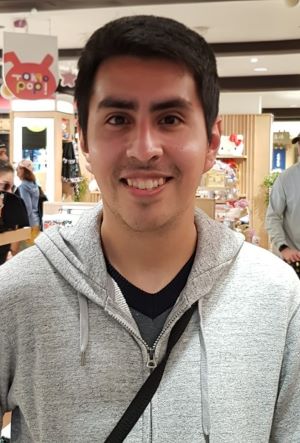
David H. Ramos-Rodriguez, Ph.D.
David is currently researching granular microgel scaffolds for bone regeneration, ectopic bone formation, and decellularized cell-derived matrices to improve tissue mineralization. David's hobbies include playing video games, cooking, and whistling while working in the lab.
-
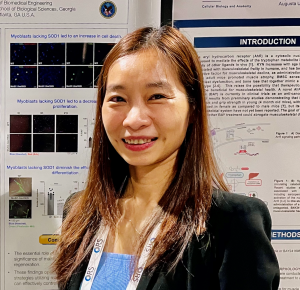
Thi Thai Thanh Hoang, PhD
Thai Thanh's research focuses on developing hydrogel- and nanoparticle-based delivery systems for therapeutic agents and stem cells to enhance tissue regeneration and disease treatment. Currently, her work centers on musculoskeletal regeneration, particularly in the context of disease and aging. She also aims to develop microphysiological systems by integrating biomaterials, microfluidic devices, and human cells to better mimic the dynamic native microenvironment for mechanistic studies and drug screening.
Outside the lab, Thai Thanh's enjoys exploring nature and creating handmade crafts.
-
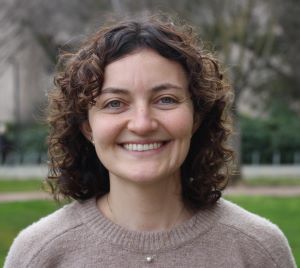
Andrea C. Filler, PhD Student
Andrea's research interests are in Cultivated Meat and Muscle Tissue Engineering. Andrea's hobbies include running, cooking/baking, and playing soccer.
-
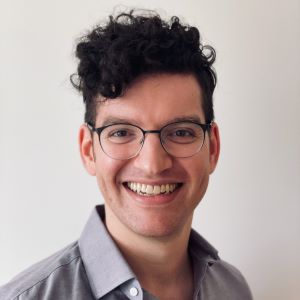
Alex Kermani, PhD Student
Alex is researching extruded alginate scaffolds for structured cultivated meat. His hobbies include home automation, self-hosting, board games, coffee, science of cooking.
-
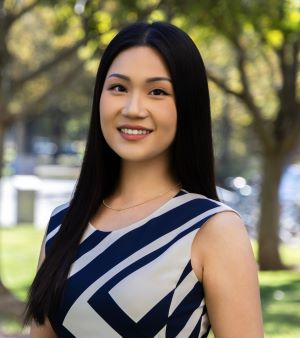
Hyejeong Jang, PhD Student
Hyejeong is currently working on engineering hydrogel platforms for cartilage regeneration in aging tissues. Outside the lab, she enjoys line dancing and singing.
-
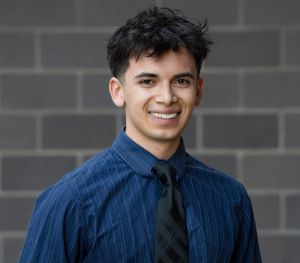
Isaac J. Alvarez, PhD Student
Isaac's research focuses on in vivo bioreactors and mechanical signaling for bone regeneration: he's interested in 3D printing patient-specific scaffolds to generate vascularized ectopic bony tissue, leveraging the body as a bioreactor. He's also wishes to investigate how mechanical loading of these mature bone grafts may drive healing in large bone volume loss.
Outside the lab, Isaac greatly enjoys playing games (board games, card games, video games), going to the gym, basketball, hiking, and watching TV with his dog.
-

Ishaan Gupta, MD Student
Ishaan is a UC Davis MD student interested in researching wound healing and tissue engineering. In his spare time, he likes to watch movies and try new cafes and restaurants. He has also recently gotten into espresso making, which he really enjoys!
-

Jessica Bennett, Volunteer
Jessica is a UC Irvine graduate who joined the lab to learn more about tissue engineering. Her hobbies include running, hiking, and seeing friends. She is, additionally, trying scrap baking to produce sourdough bread, jam, and more!
-

Shrinithi Sudhakar, Volunteer
Shrinithi is UC Davis BME junior working on cultivated meat applications with mentor Alex Kermani. Some of her hobbies include reading, baking, and running.
-
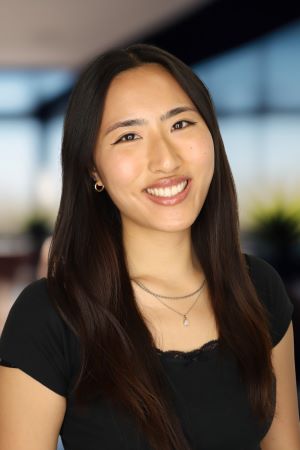
Iris Huang, Volunteer
Iris is working with mentor David Ramos-Rodriguez on osteoconductive alginate microgel scaffolds for bone regeneration. Outside of the lab, she enjoys cooking and baking, going to the gym, and spending time with friends, family, and her dog.
-

Rahul Sayal, Volunteer
Rahul is interested in stem cells and how they can be used to improve orthopedic implants. His hobbies include lacrosse and hiking.
Postdoctoral Fellows
- Tomas Gonzalez-Fernandez, Ph.D.
- Ben Hung, Ph.D.
- Nina Vollmer, Ph.D.
- Ganesh Ingavle, Ph.D.
- Archana Bhat, Ph.D.
Graduate Students
- Erika Wheeler, Ph.D.
- Nikolia Kruger, M.S.
- Shierly Fok, Ph.D.
- Sabrina Mierswa, Ph.D.
- Katherine Griffin, DVM/Ph.D.
- Bobby Gresham, Ph.D.
- Jeremy Lowen, Ph.D.
- Victoria Thai, Ph.D.
- Laney Casella, Ph.D.
- Takeyah Campbell, M.S.
- Marissa Gionet-Gonzales, Ph.D.
- Charlotte Vorwald, Ph.D.
- Jackie Woods, Ph.D.
- Jenna Harvestine, Ph.D.
- Debika Mitra, Ph.D.
- Steve Ho, Ph.D.
- Miles Wilkinson, M.S.
- Kaitlin (Murphy) Fogg, Ph.D.
- Allison Hoch, Ph.D.
- Beko Binder, Ph.D.
- Alan Man, Ph.D.
- Diana Morales- Hernandez, M.S.
- Martin Decaris, Ph.D.
- Hillary Davis, Ph.D.
- Jiawei He, Ph.D.
- Whitney Cheung, M.S.
- Ann Leu, M.S.
Undergraduate Students
Numerous outstanding, hard-working undergraduate students who have made important contributions to various projects and our laboratory
All papers can be found on PubMed through the National Library of Medicine.
J. Kent Leach, Ph.D.
Lawrence J. Ellison Endowed Professor of Musculoskeletal Research
Professor of Orthopaedic Surgery and Biomedical Engineering
Vice-Chair of Research
Email: jkleach@health.ucdavis.edu
Office Number: 916-734-8965