New data signals high demand in aesthetic surgery in southern, rural U.S. despite access issues
By Tricia Tomiyoshi
Study highlights growth in “plastic surgery deserts” as patient interest spreads beyond coastal cities
(SACRAMENTO)
A new, national analysis published in theAesthetic Surgery Journalsuggests the future growth of aesthetic surgery may lie far from traditional luxury markets.UC Davis Healthresearchers found that Southern, Midwestern and rural regions of the United States are growing as high-demand areas, despite limited access to board-certified plastic surgeons.
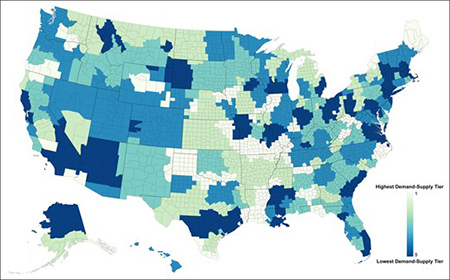
Map of the U.S. showing aesthetic surgical demand-supply tiers across Designated Market Areas from August 2024-2025
The study, conducted by researchers atUC Davis Medical Center, analyzed Google search behavior alongside workforce data across 210 U.S. Designated Market Areas. Researchers found that consumer demand is rising nationwide but remains unevenly matched with surgeon distribution. This imbalance has revealed multiple “plastic surgery deserts” where patients actively search for procedures but lack local access to board-certified specialists.
“Demand for aesthetic procedures is expanding geographically,” saidScott Levin, lead author of the study and plastic and reconstructive surgery fellow at UC Davis Health. “While many surgeons remain concentrated in established coastal markets, our data shows growing opportunity — and responsibility — to improve access in emerging regions.”
The share of people across the country searching for cosmetic procedures increased more than 22% compared with pre-pandemic levels, with the Midwest demonstrating some of the fastest growth. Body-contouring procedures were more strongly associated with underserved markets, while facial aesthetic demand clustered in highly saturated urban areas.
The research introduces a data-driven demand-supply ratio model that combines online searches with surgeon density to identify high-growth markets — a framework that could influence future workforce planning, practice expansion strategies and patient access initiatives.
“As aesthetic medicine continues to evolve, aligning surgeon distribution with changing patient demand may become a key industry priority,” Levin said.