
Research
Leading the Future in Vision Science
Connecting scientific discovery with innovative patient care.
Research
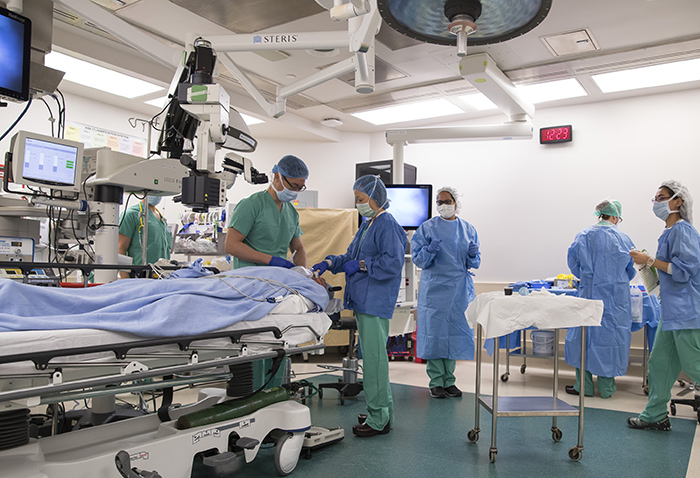
The UC Davis Eye Center's unique reliance on interdisciplinary vision research between the school of medicine, veterinary school and primate center, together with campus vision scientists in 16 different departments and the Center for Neuroscience, distinguishes it from virtually every university eye center in the United States. Our intention is for UC Davis to become one of the world's leading vision research centers to preserve and restore sight. This research effort will have a beneficial effect on our patient care and the training of new clinicians and researchers.
Fundamental to the Eye Center’s mission we are involved in clinical trials, basic/clinical research, Center for Vision Science on the Davis campus, advanced imaging, OCT/Visual Field Reading Center as well as resident and fellow research projects.
-
Clinical Trials
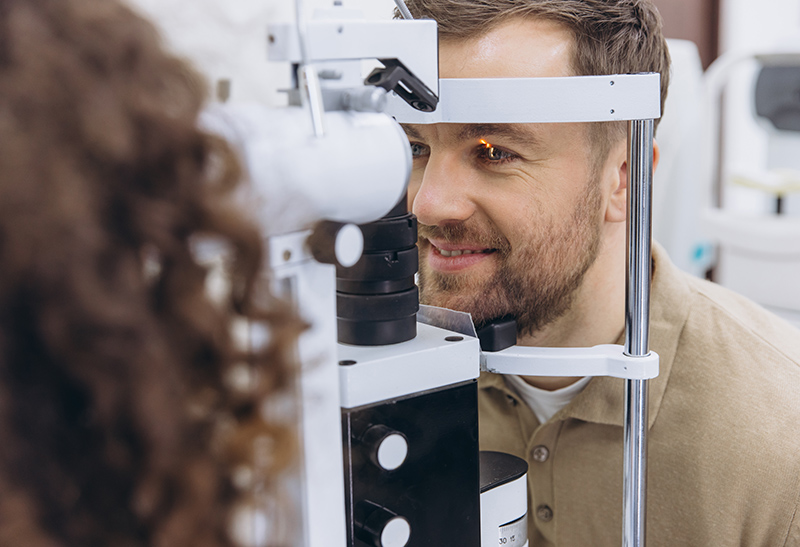
UC Davis Clinical Trials Active StudiesClinical Trials are at the heart of improving the health of current and future generations! At UC Davis Eye Center, physicians and scientists are working hard to prevent, diagnose, and treat eye diseases and vision loss. Enrolling in a clinical trial is an opportunity for you to potentially benefit from new treatments that are not yet available to the public. As a participant in a clinical trial, you are contributing to the advancement of medicine in a global way.
The UC Davis Eye Center has several important active clinical trials studying new medications and treatments for eye diseases. To find out about clinical trials at UC Davis for which you may be a candidate, visit the clinical trials website or call our clinical trials team at 916-734-6303.
-
Center for Vision Sciences
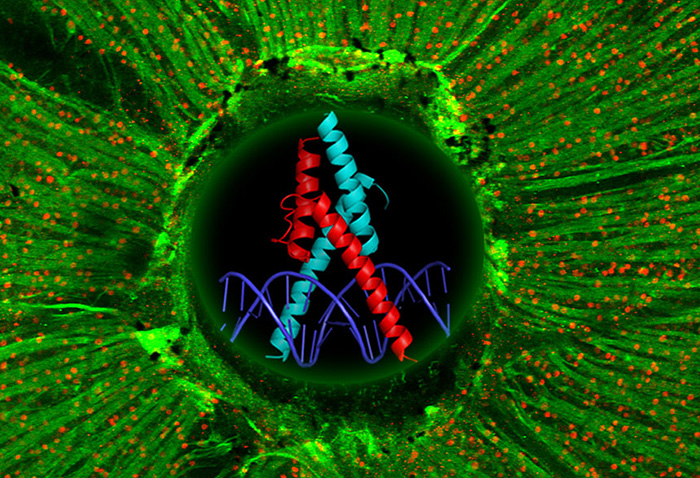
Learn about the Center for Vision ScienceOur mission is to advance the fundamental understanding of the visual system, from the molecular workings of a single photoreceptor to the integrated experience of sight, and to translate that understanding into better prevention, diagnosis, and treatment of visual disease and dysfunction.
-
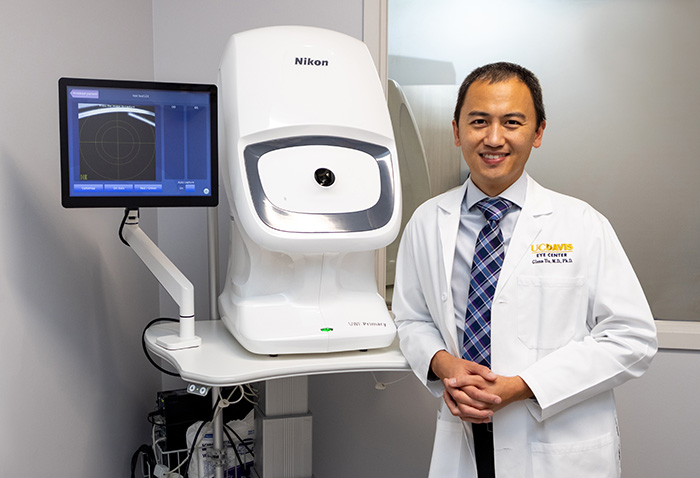
Translational Retinal Research Laboratory – Yiu Lab
Learn more about the Yiu LabRetinal diseases such as age-related macular degeneration (AMD) and diabetic retinopathy (DR) are among the major causes of vision loss and blindness in humans. Our laboratory employs a combination of retinal biology and ocular imaging technologies across various animal models including mice, monkeys, and human patients. By developing optically activated drug delivery systems, optogenetic disease models, and gene editing strategies, we hope to better understand the pathophysiology of retinal disorders and discover novel therapies for our patients.

