
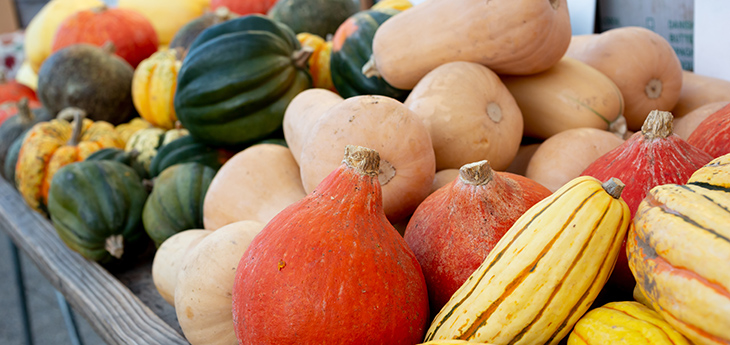
Most people recognize butternut, spaghetti and acorn squash, but the other colorful squash in the grocery store can still be a mystery. Delicata, kabocha, red kuri, hubbard and carnival squash are just a few of the hundreds of varieties available.
Don't let their hard shells intimidate you. Winter squash is packed with fiber, vitamins and minerals that support digestion, heart health and healthy blood sugar levels. As part of a balanced meal, it can be a great choice for people with diabetes or those taking a GLP-1 medicine.
Learn about the health benefits of winter squash, how to choose the best varieties and easy ways to add them to your cooking.
What is the difference between summer and winter squash?
Winter squash grows until it is mature with a hard rind. This allows it to be stored in a cool place for several months. Peak season for winter squash at your local farmers market or grocery store is October through February. Winter squash tends to be higher in carbohydrates compared to summer squash.
Summer squash is small, picked young and can last 1-2 weeks in the refrigerator. Peak season to buy summer squash is June through August. Summer squash such as zucchini and yellow crookneck has a softer skin and tends to be milder in taste.
Sign up for our Health Highlights e-newsletter
|
Squash |
Best for |
|---|---|
|
Butternut |
Vitamin A |
|
Spaghetti |
Low carb option |
|
Delicata |
Easy to eat skin |
|
Hubbard |
Lots of fiber |
|
Acorn |
Great for roasting |
Why is winter squash so healthy?
Winter squash is full of vitamins and minerals and low in calories and fat. It is also high in fiber, which can help slow digestion and prevent overeating. Because of the higher starch content of winter squash, it should be paired with a source of protein to balance out blood sugar increases. A diet that includes winter squash can help lower cholesterol levels, promote heart health and lower overall risk of cancer.
Read how to improve your heart health
What are the key health benefits of winter squash?
Winter squash is packed with nutrition in every bite. Three key health benefits of winter squash include:
- Immunity boost from high levels of vitamin A and vitamin C.
- Supports digestion and gut health.
- Weight management because it helps create a full feeling with low calories.
Learn how our dietitians can help you with healthy eating
Which winter squash has the most health benefits?
Butternut squash is one of the most nutritious winter squash varieties. One cup of cooked butternut squash may contain more than 100% of your daily vitamin A, up to 50% of vitamin C and high levels of fiber, magnesium and potassium.
Make this tasty recipe for butternut squash and black bean enchilada bake
Can you eat the skin of winter squash?
Yes, you can eat the roasted skin of most winter squash. Thinner skin varieties will be more enjoyable.
- Best varieties include acorn, delicata, red kuri and sweet dumpling.
- Squash skin to avoid include spaghetti squash because of its texture and any squash that appears too waxy.
How do you cut winter squash?
Peel the squash first if needed. Place the squash on a sturdy cutting board and use a sharp chef's knife.
Trim the ends of the squash using a rocking motion. (Pro tip: microwave the squash for 2-3 minutes first to soften it and make cutting easier.)
Cut the squash in half. Scoop out the seeds.
From there, you can roast large pieces of squash, slice it into strips or cut it into cubes for soups, stews and salads.
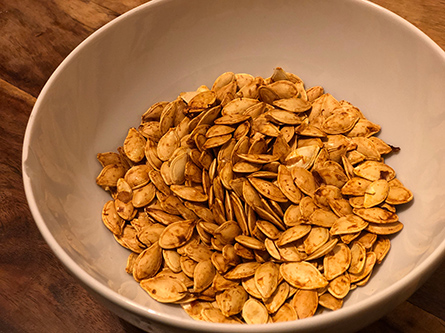
Roast winter squash seeds to make a delicious crunchy snack
Is winter squash good for diabetes and blood sugar?
Yes, it can be helpful in regulating blood sugar because of its high fiber content. However, because some winter squash also has a higher carbohydrate content, it’s important to include a source of protein for balance. Also, be mindful of other carbohydrates in your meal.
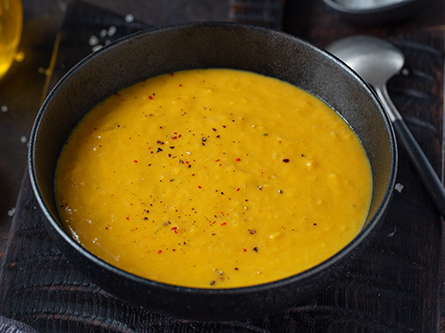
Serve this winter squash soup with lentils in under one hour
Is winter squash safe to eat while taking GLP-1 medicine?
Yes, winter squash is safe to eat and recommended by dietitians. Because you eat less while taking GLP-1 medicine, the food you do eat needs to be healthy. Winter squash is densely packed with vitamins, minerals, fiber and other nutrients.
Learn more about how weight loss medications work
Can winter squash help manage GLP-1 medication side effects?
Yes, winter squash helps with nausea and constipation, which are common side effects of GLP-1 medicine. Some varieties, such as butternut squash, can be pureed for soups and smoothies. The high fiber content of winter squash helps prevent constipation.
Read why nutrition matters when taking a GLP-1
Is winter squash keto diet friendly?
No, winter squash contains high amounts of starch and carbohydrates. Some lower-carb varieties can be eaten on a keto diet, such as spaghetti squash and delicata, but only in small amounts.
Find out if the keto diet can be beneficial for you
Is winter squash included in the Mediterranean diet?
Yes, winter squash can be cubed and roasted with extra virgin olive oil and herbs and used in stews. It can be pureed to add creaminess to soups. Some varieties are baked and stuffed with grains including farro and quinoa.
Explore the benefits of a Mediterranean diet
How long does winter squash last in storage?
Depending on the variety, winter squash can stay fresh from one to six months when stored properly. Do not wash squash before storage as it will destroy the natural protective coating. Store winter squash in a dry cool area away from any ripening fruit. Dark spots and mold are signs that the squash is getting too old.
How do you choose a winter squash?
Choose a winter squash that seems heavy for its size. The rind should be hard. It should have a dry, brownish stem. Avoid squash that has soft spots, cracks or mold.
Can you freeze winter squash?
Yes, freeze uncooked chunks or strips of winter squash for use later in stir-fry, soups or stews. It can last up to one year if stored properly.
Sign up for our Health Highlights e-newsletter
This blog was medically reviewed by senior registered dietician Angela Salas, a board-certified specialist in obesity and weight management at UC Davis Health.
Information in this blog is based on guidance from the American Diabetes Association (ADA), International Scientific Association for Probiotics and Prebiotics (ISAPP), Centers for Disease Control and Prevention (CDC), National Institutes of Health (NIH), American Institute for Cancer Research (AICR), and other national medical organizations.