
Our Team
-
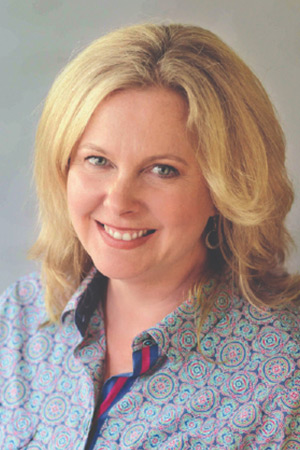
Colleen Clancy, Ph.D.
Research ProfileDirector of the Center for Precision Medicine and Data Sciences
Colleen E. Clancy serves as the Director of the Center for Precision Medicine and Data Sciences at UC Davis School of Medicine and is a professor in the Departments of Physiology and Membrane Biology and Pharmacology. She is the inaugural Editor in Chief of the Journal of Precision Medicine: Health and Disease. She has authored more than 100 published works and serves on the editorial board of The Journal of General Physiology. Clancy has also been an associate editor for the Journal of the American College of Cardiology: Clinical Electrophysiology and has served on the advisory board of the National Biomedical Computation Resource, as a member of the NIH Multiscale Modeling Consortium, and on the Heart Rhythm Society Fellowship Subcommittee. Additionally, she regularly participates in peer review for numerous national and international funding agencies and scientific journals. She leads a multidisciplinary team of junior and senior investigators, supported by multiple NIH programs, focused on computation.
-
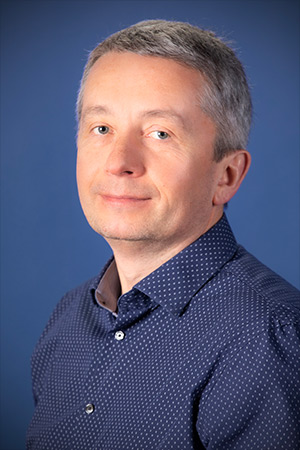
Vladimir Yarov-Yarovoy, Ph.D.
View full bioResearch ProfileAssociate Director of the Center for Precision Medicine and Data Sciences; Associate Program Director of Developmental Therapeutics
Vladimir Yarov-Yarovoy earned an M.S. Degree in Physics at the Moscow State University in Moscow, Russia (mentored by Galina Mironova), and then Ph.D. Degree in Biochemistry and Molecular Biology at the Oregon Health Science University in Portland, Oregon (mentored by Keith Garlid). Yarov-Yarovoy was a postdoctoral fellow in Biophysics (mentored by William Catterall) and Computational Biology (mentored by David Baker, 2024 Nobel Prize in Chemistry) and then a Research Assistant Professor in the Department of Pharmacology at the University of Washington in Seattle, Washington. He joined UC Davis as an Assistant Professor in Physiology and Membrane Biology in 2011 and became a full Professor in 2020. Vladimir Yarov-Yarovoy’s research interests and expertise encompass neuroscience, protein structure, and computational biology. The main focus of his research group is on computational design of subtype-specific ion channel modulators, structure and function studies of voltage-gated ion channels, and development of computational methods for membrane protein structure prediction and design. Recent advances in computational protein design, determination of high-resolution ion channel structures and discoveries of natural peptides that target them with high affinity, set a stage for computational design of novel ion channel modulators.
-
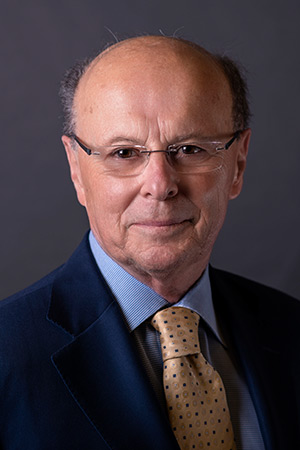
Frederick J. Meyers, M.D., M.A.C.P.
View full bioResearch ProfileAssociate Program Director of Educational Programs
916-734-2412 | fjmeyers@health.ucdavis.edu
Fred Meyers is Distinguished Professor of Internal Medicine (as a of July 1, 2020) at the University of California Davis. His career interests include multifaceted investigations of advanced cancer (molecular biology, clinical trials, palliative care) and training the next generation of scientists. He has served UC Davis as chief of hematology/oncology, chair of the department of medicine and vice dean of the school of medicine. He currently leads the Center for Precision Medicine and Data Sciences. His national leadership in career development has been recognized with many training grants, service to NIH, and as President of the Association of Clinical and Translational Science 2019-2020. He received the 2020 Chancellor’s award for Diversity and Community Service.
-
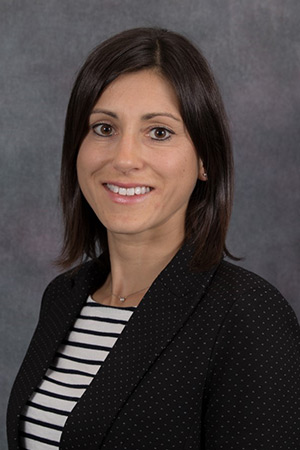
Emilie Roncali, Ph.D.
View full bioAssociate Program Director in Computational Biomedicine
The Roncali Lab develops quantitative methods for nuclear imaging and therapy, with an emphasis on new technology for positron emission tomography (PET) and dosimetry for radionuclide therapy.
Roncali’s group develops in silico models of radiation detectors and uses these models to advance the understanding of Cerenkov light-based detectors, with to develop ultra-fast detectors for time-of-flight PET.
The lab also develops quantitative dosimetry for radionuclide therapy. Projects include treatment-planning algorithms for Y-90 microspheres by modeling the microsphere transport in the liver, and quantitative imaging for radionuclide therapy. This research aims at improving cancer patient outcome and advancing cancer research through personalized medicine.
-
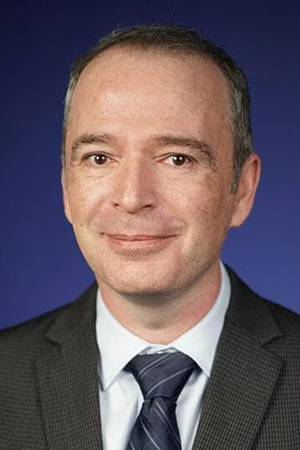
Vladimir Filkov, Ph.D.
View full bioSpecial Role: Advisor on Artificial Intelligence
Vladimir Filkov is a professor in the Departments of Computer Science and Radiology at UC Davis and director of the Computer Science artificial intelligence for Health Initiative. His research focuses on generative and multimodal artificial intelligence, machine learning, open- source software, and their applications in biomedical research and healthcare. He also serves as an artificial intelligence advisor to the UC Davis Center for Precision Medicine and Data Sciences.
-
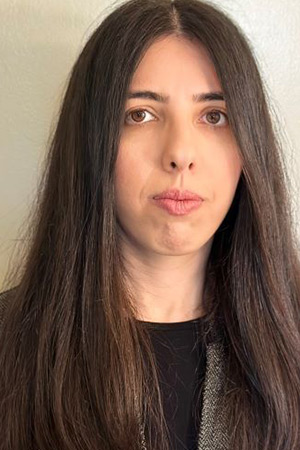
Hajar Amini, Ph.D.
Research ProfileAssistant Researcher
Department of Physiology and Membrane BiologyHajar Amini is an Assistant Researcher at the Center for Precision Medicine and Data Sciences at UC Davis. She joined UC Davis in 2019 as a postdoctoral scholar in the Department of Neurology and was appointed Assistant Project Scientist in 2020. Her research focuses on understanding how genetic variation influences human traits, disease risk, and clinical outcomes. With a background in bioinformatics, computational biology, and machine learning, her work integrates multi-omics and phenotype data to identify variants that contribute to disease mechanisms, with particular emphasis on cardiovascular disorders and stroke.
-
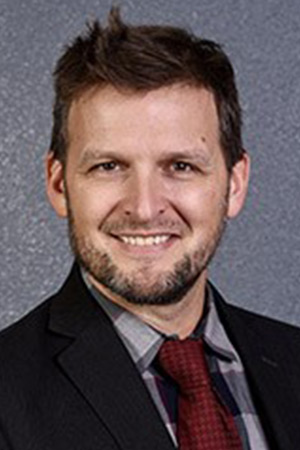
Kent A Anderson, M.S.
Special Role: Advisor on Data Science
Director, Data Center of Excellence
Associate Director, CTSC Biomedical InformaticsKent Anderson, M.S. is charged with facilitating the integration of research technology within UC Davis Health, including health data re-use, secure research infrastructure provision, and development of population health datasets. He is responsible for directing the design, acquisition, development, and implementation of specialized databases, tools, and applications to support clinical and translational research at UC Davis. In addition, he serves as a representative to the national consortium of CTSA award recipients to develop resources to benefit all represented CTSA institutions. He works closely with the Biomedical Informatics Program director to help investigators make the most efficient use of informatics services and resources.
-
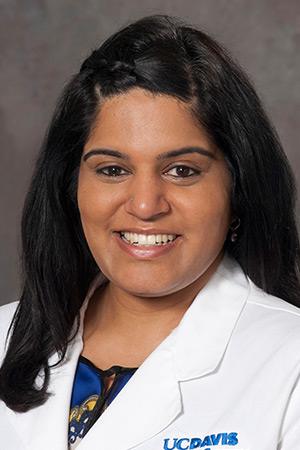
Mili Arora, M.D.
View full bioAssociate Professor, Department of Internal Medicine
Mili Arora's research focuses on improving the landscape of treatments for breast cancer. She has a specific interest in triple negative breast cancer and developing better supportive therapies to use adjunctively with standard breast cancer treatments.
-
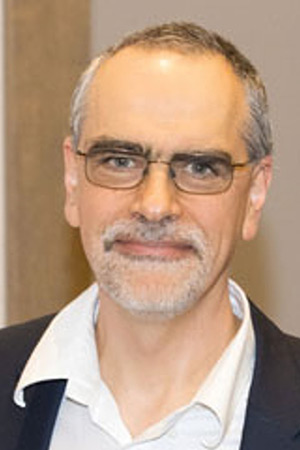
Ramsey D Badawi, Ph.D.
View full bioCo-Director, EXPLORER Molecular Imaging Center
Vice-Chair for Research, Department of Radiology
Professor, Division of Biomedical Engineering
Professor, Department of RadiologyRamsey Badawi's research interests are focused on the development and application of new types of nuclear medicine and molecular imaging scanners. Badawi is the co-inventor of Total-Body PET, along with Simon Cherry, and the two scientists co-founded the EXPLORER Molecular Imaging Center, which conducts cutting edge research in Molecular Imaging as well as providing the latest PET technology imaging services to patients.
-
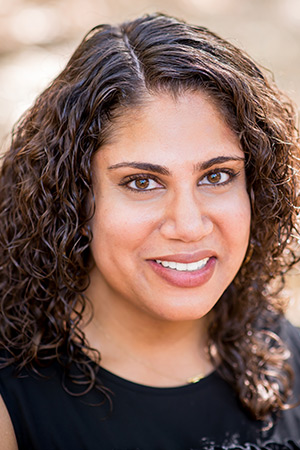
Daniah Beleford, M.D., Ph.D.
View full bioAssistant Professor of Pediatrics
Department of Physiology and Membrane BiologyDaniah Beleford is the Principal Investigator of an independent research lab. The Beleford Lab studies underlying changes in molecular signaling that cause vascular malformations (abnormal development of blood vessels) in Hereditary Hemorrhagic Telangiectasia and other genetic vascular conditions.
-
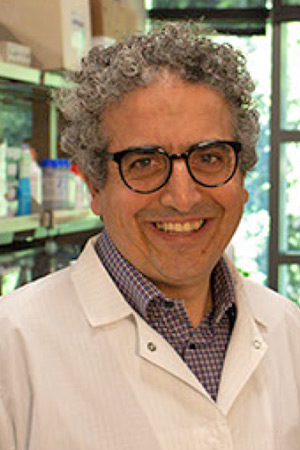
Roy Ben-Shalom, Ph.D.
View full bioAssistant Professor
Department of NeurologyBen-Shalom combines electrophysiology and neuronal modeling to advance the understanding of these diseases. In order to reverse engineer neuronal excitability in health and disease, Ben-Shalom's lab incorporates the biophysical properties of single neurons into detailed numerical models. In addition to facilitating an understanding of the pathophysiology of neurodevelopmental disorders, these models can also serve as testing grounds for therapeutic interventions.
-
Susan D. Brown, Ph.D.
View full bioAssociate Professor, Department of Internal Medicine
Susan Brown's multidisciplinary program of research focuses on behavior change interventions for diabetes and cardiovascular disease prevention, particularly among diverse women at high risk for chronic disease. Her work focuses on developing and rigorously testing novel interventions to promote meaningful patient engagement in (1) life-long healthy eating, physical activity, and weight management behaviors; (2) preventive healthcare services, such as diabetes screening and healthy lifestyle programs; and (3) clinical research itself, such as strategies to improve representation clinical trials. She is especially interested in leveraging healthcare delivery systems to best support health promotion and risk reduction.
-
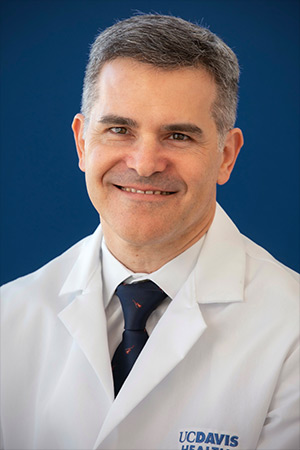
Martin Cadeiras, M.D.
View full bioHealth Services Clinical Professor
Department of Internal MedicineRecognizing that groundbreaking science relies on interdisciplinary collaboration, our research initiatives create innovative approaches to patient care by bringing together medicine, science, and technology. Together with biologists, engineers, mathematicians, and computer scientists, we create novel solutions to address the complex issues we face in advanced heart failure, heart transplantation, and mechanical circulatory support therapies.
In the Complex Care Laboratory, we use advanced computational, molecular, and sensor technologies to help us understand the molecular biology of advanced heart diseases and help us create decision-support systems for clinical care, to provide personalized treatments for heart failure as well as system-wide interventions to address root causes.
-
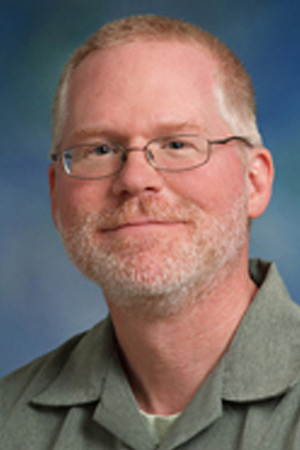
Kermit L. Carraway, III, Ph.D.
View full bioProfessor
Department of Biochemistry and Molecular MedicineThe Carraway lab uses biochemical, cell biological, pharmacological and genetic methods to dissect the roles of growth factors, their receptors and modulator proteins in mammalian development and in tumor initiation and progression. We are particularly interested in mechanisms of receptor ubiquitination and degradation, and how these processes impact the receptor overexpression that drives the malignancy of breast and brain tumors.
-
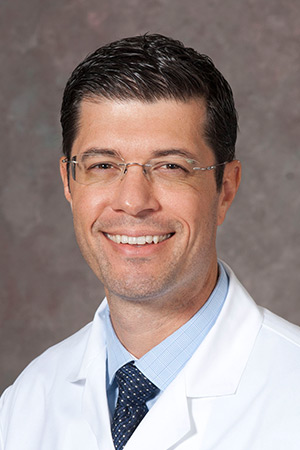
David Copenhaver, M.D., M.P.H.
View full bioCharles and Patricia Fullerton Endowed Chair in Pain Medicine
Health Sciences Clinical Professor, UC Davis
Vice Chair, Department of Anesthesiology and Pain Medicine
Chief, Division of Pain Medicine
Director, Cancer Pain Management & Supportive Caredcopenhaver@health.ucdavis.edu
David J. Copenhaver is a nationally and internationally recognized physician, academic leader, educator, and innovator in Pain Medicine. He holds the Charles and Patricia Fullerton Endowed Chair in Pain Medicine at the University of California, Davis, where he serves as Health Sciences Clinical Professor, Vice Chair of the Department of Anesthesiology and Pain Medicine, Chief of the Division of Pain Medicine, and Director of Cancer Pain Management and Supportive Care and Pain Medicine telehealth programs.
Copenhaver is a board-certified anesthesiologist and pain medicine specialist with expertise in the diagnosis and treatment of complex pain conditions, with particular distinction in cancer pain and supportive care, complex regional pain syndrome, craniofacial pain, spine-related pain, neuromodulation, and targeted drug delivery. His clinical practice integrates advanced interventional therapies with comprehensive, multidisciplinary care to reduce pain, restore function, and improve quality of life.
His national leadership in Pain Medicine includes service in the American Academy of Pain Medicine (AAPM), where he has chaired the Cancer Pain Special Interest Group and played a leadership role in the Academy's Annual Scientific Meeting. He has served as a national educator and invited faculty member on complex pain, cancer pain, interventional therapies, neuromodulation, and targeted drug delivery. In recognition of his contributions to pain education, he received the 2024 AAPM Presidential Commendation. AAPM has recognized Copenhaver as a distinguished leader in the field whose work has made a significant impact on cancer pain management and supportive care.
Copenhaver's expertise in cancer pain extends to national guideline development. He has served on the National Comprehensive Cancer Network (NCCN) Adult Cancer Pain Guidelines panel, contributing to the development of evidence-based recommendations used nationally in the care of patients with cancer-related pain. His authorship appears in the NCCN Adult Cancer Pain guideline publications, including the 2024 and 2025 editions.
He is also actively engaged in advancing the academic discipline of Pain Medicine through scholarship, medical education, and professional leadership. His scholarly work includes peer-reviewed publications, book chapters, and editorial contributions, including service as an editor of Bonica's Pain Management, one of the field's internationally recognized reference texts. His academic interests encompass cancer pain management, health services and healthcare delivery, pain medicine education, responsible opioid therapy, neuromodulation, targeted drug delivery, craniofacial pain, and emerging therapies for degenerative spinal disorders.
At UC Davis, Copenhaver has been instrumental in the development and expansion of comprehensive Pain Medicine services, including the growth of clinical programs across the health system and the advancement of cancer pain, supportive care, telehealth, and community-based access to specialty pain services. His leadership encompasses clinical care, program development, physician education, research, operations, and health-system strategy.
He is deeply committed to educating the next generation of physicians and advancing the practice of Pain Medicine through mentorship, national and international education, and multidisciplinary collaboration. He has served as faculty for major national pain medicine meetings and educational programs and has developed educational initiatives addressing complex cancer-related pain.
Copenhaver completed his undergraduate education at the University of California, Davis, in Neuroscience and Physiology and Behavior. He earned his medical degree from the David Geffen School of Medicine at UCLA and a Master of Public Health with an emphasis in Health Services Administration. He completed residency training in Anesthesiology at Columbia University College of Physicians and Surgeons and fellowship training in Pain Medicine at the University of California, Davis.
-
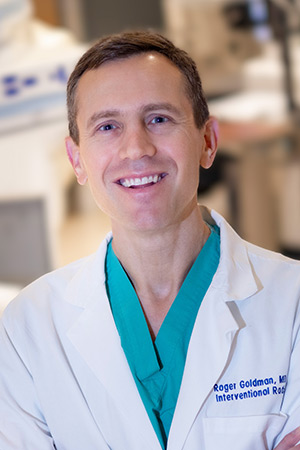
Roger E. Goldman, M.D., Ph.D.
View full bioAssociate Professor of Radiology
Division of Interventional Radiology, UC DavisRoger E. Goldman, M.D., Ph.D., is an Associate Professor of Radiology in the Division of Interventional Radiology at UC Davis. A physician-scientist with a clinical practice in vascular and interventional radiology, Dr. Goldman leads research at the intersection of image-guided therapy, artificial intelligence, and quantitative imaging. His work in medical imaging, interventional medicine, machine learning, device development, and robotics has resulted in more than 100 scientific presentations, peer-reviewed abstracts and publications, and issued patents. As Director of Research for the division, he oversees its clinical trials portfolio and serves as site principal investigator for the NIH-sponsored PE-TRACT trial. His current research focuses on patient-specific approaches to interventional care, including personalized dosimetry for yttrium-90 radioembolization and real-time interpretation of angiography during image-guided procedures.
-
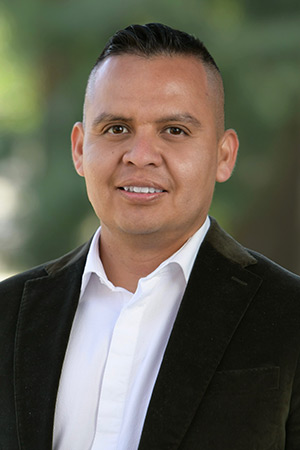
Gonzalo Hernandez Hernandez, Ph.D.
UC Davis Chancellor’s Postdoctoral Fellow
ghernandezh@health.ucdavis.edu
Gonzalo Hernandez-Hernandez is a computational biophysicist and a former UC Davis Chancellor’s Postdoctoral Fellow. He earned a Ph.D. in Biophysics at the University of California, Davis, in 2022 under the mentorship of Colleen Clancy. His doctoral research focused on computational modeling of vascular signaling pathways and smooth muscle function.
He develops mechanistic and multiscale computational models to study how drugs and inherited mutations alter vascular smooth muscle behavior. His work integrates molecular signaling, cellular electrophysiology, and tissue-level dynamics to improve understanding of cardiovascular disease mechanisms and support precision medicine strategies for antihypertensive therapy.
-
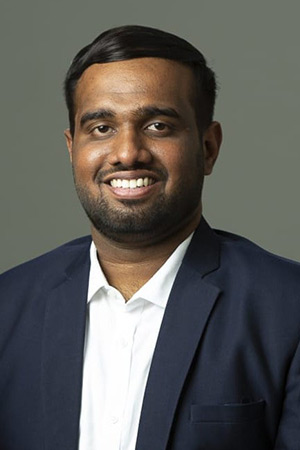
Dharan Sankar Jaisankar, M.S.
Assistant Specialist – AI and Informatics
-
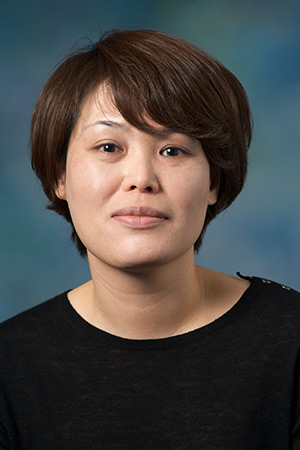
Kyoungmi Kim, Ph.D.
View full bioProfessor
Department of Public Health SciencesKyoungmi Kim is a faculty biostatistician with extensive experience in statistical genetics/genomics in particular and in -omics research in general. Her research interests include disease biomarkers, quantitative genetics, post- genomics, and statistical and research methodology.
Particular emphasis areas include the use of statistical methodologies to locate complex disease genes in quantitative genetic analysis and bioinformatics tools to understand molecular functions combining different types of -omics data. She also focuses on computational and statistical approaches to disease biomarker discovery, including early detection of disease (such as cancers and genetic disorders) and predictions of responses to therapeutic interventions and risk of patient stratification.
Kim also participates in interdisciplinary team-science projects addressing the genetic component of multi-factorial chronic conditions such as neurodegenerative disease, heart disease, metabolic disease and cancer.
-
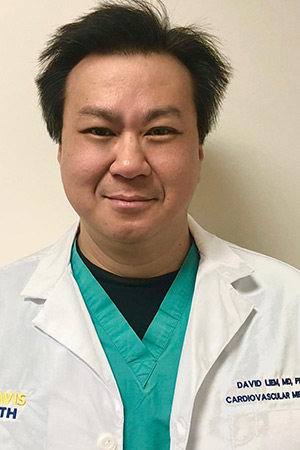
David Liem, M.D., Ph.D.
View full bioResearch ProfileAssociate Professor
Department of Internal Medicine
Division of Cardiovascular MedicineDavid Liem, M.D., Ph.D., is a physician-scientist in cardiovascular medicine and part of the clinical heart failure team at UC Davis. His research focuses on precision cardiovascular medicine and the integration of clinical, molecular, and environmental data to better understand cardiovascular disease. His work combines computational biology, artificial intelligence and machine learning, multi-omics, and translational science to identify molecular pathways and disease phenotypes, with a particular emphasis on heart failure with preserved ejection fraction (HFpEF). His research also investigates how the exposome, including social, environmental, and neighborhood-level determinants of health, shapes cardiometabolic phenotypes and clinical outcomes. His overarching goal is to translate multimodal data into biologically informed and actionable strategies for cardiovascular precision medicine.
-
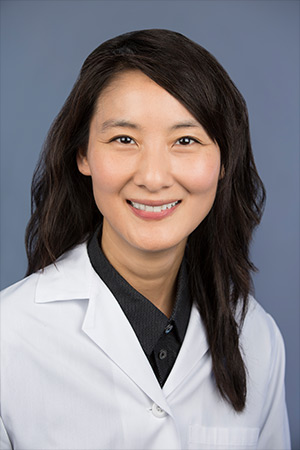
Deborah K Lieu, Ph.D.
View full bioAssociate Professor
Department of Internal MedicineLieu's research focuses on the mechanisms underlying the differentiation and maturation of human induced pluripotent stem cell (hiPSCs) into pacemaking cardiomyocytes for engineering biopacemakers and contractile cardiomyocytes for cell replacement therapy after heart attack.
-
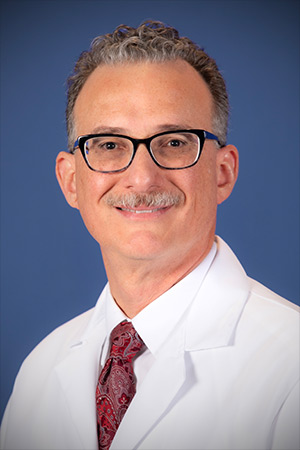
Javier E. Lopez, Ph.D.
View full bioProfessor in Residence
Division of Cardiovascular Medicine
Department of Internal Medicine; ProfessorJavier E. Lopez is interested in studying how soluble factors may regulate the transition of cardiac myocytes from regeneration during fetal growth to hypertrophic growth postnatally. It is postulated that the lack of cardiac regeneration in the postnatal heart confounds the myocyte dysfunction, cell death and tissue fibrosis that is associated with decompensated heart failure. Our global hypothesis is that by manipulating the cardiac gene program of the failing heart with soluble factors (drugs), we may augment endogenous and/or transplanted cardiac myocyte regeneration to ameliorate the progression of left and/or right ventricular failure. My laboratory focus is in studying the fundamental mechanisms of this growth transition to enhance the translational efficacy of soluble factors (drugs) and cell-based strategies (stem-cells) for cardiac regeneration in the failing heart.
-
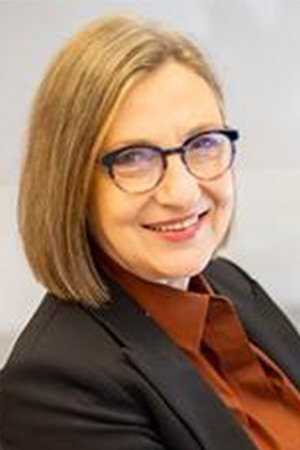
Laura Marcu, Ph.D.
View full bioProfessor, Department of Biomedical Engineering
Director, NIH-NIBIB National Center for Interventional Biophotonics Technologies (NCIBT)Laura Marcu is Distinguished Professor of Biomedical Engineering and Neurological Surgery at the University of California, Davis, where she holds the Endowed Professorship of Neurosurgical Research. She earned her Ph.D. in Biomedical Engineering from the University of Southern California in 1998. She is the founding Director of the NIH/NIBIB P41 National Center for Interventional Biophotonic Technologies (NCIBT) at UC Davis, established in 2022, and has served since 2007 as Co-Director of the Biomedical Technology Program within the UC Davis Comprehensive Cancer Center. Marcu's research focuses on biomedical optics and the development and clinical translation of label-free optical imaging technologies for real-time tissue characterization and image-guided interventions. Her work spans applications in surgical oncology, interventional cardiology, and tissue engineering, with the goal of advancing precision medicine through innovative optical technologies. She has authored one book and more than 265 scientific publications. Marcu currently serves as an Associate Editor of Optica, is a member of the Editorial Boards of the Journal of Biophotonics and Translational Photonics, and serves as Senior Advisory Editor for Biophotonics Discovery. She is a Fellow of the American Association for the Advancement of Science (AAAS), the American Institute for Medical and Biological Engineering (AIMBE), the Biomedical Engineering Society (BMES), OPTICA (formerly OSA), SPIE, and the National Academy of Inventors (NAI).
-
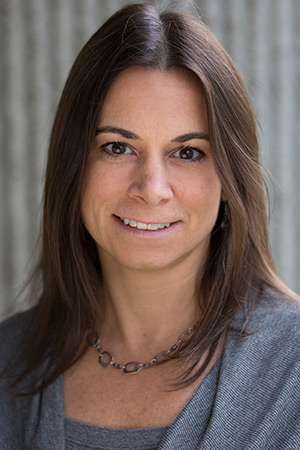
Diana L. Miglioretti, Ph.D., ScM
View full bioProfessor and Division Chief of Biostatistics
Public Health Sciencesdmiglioretti@health.ucdavis.edu
Diana Miglioretti’s methodological research focuses on longitudinal and clustered data analysis, causal inference, clinical trial design, and the evaluation of screening and diagnostic tests. Her collaborative research focuses on personalizing breast cancer screening and surveillance, evaluating artificial intelligence in mammography, developing risk prediction models, and assessing the benefits and risks of medical imaging, including cancer risks associated with radiation exposure.
-
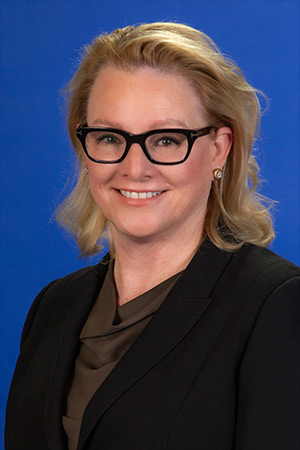
Elizabeth Anne Morris, M.D.
View full bioChair and Professor
Department of RadiologyElizabeth Morris has conducted extensive research optimizing the use of newer techniques such as contrast enhanced mammography (CEM) and magnetic resonance imaging (MRI) to detect breast cancer early, with the goal of finding breast cancer lesions when they are small and treatable. She is a pioneer in high-risk breast cancer screening. She has authored a book “Breast MRI: Diagnosis & Intervention”. In collaboration with her colleagues she has written over 230 papers, 40 chapters and 5 books about breast disease. Morris lectures widely both nationally and internationally at over 320 conferences and has mentored over 50 international research fellows. She has grants from NCI, RSNA, Komen Foundation, and Breast Cancer Research Foundation.
-
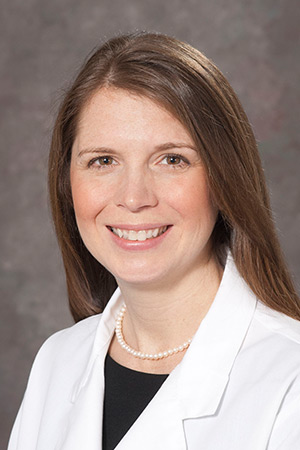
Bryn Elissa Mumma, M.D., M.A.S.
View full bioProfessor
Department of Clinical Emergency MedicineBryn E. Mumma is a professor of clinical emergency medicine at the University of California, Davis School of Medicine. She serves as director of the Women in Medicine and Health Sciences Program for the Schools of Medicine and Nursing. Her research focuses on cardiovascular emergencies and sex and gender disparities in care. She has received funding from the National Institutes of Health and private foundations.
-
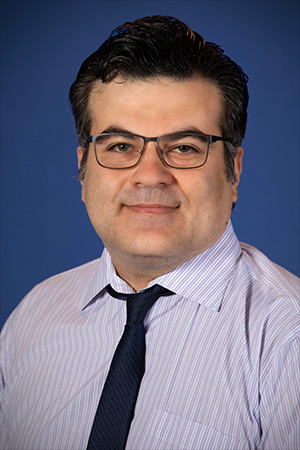
Misagh Piran, M.D.
View full bioVisiting Assistant Professor
Director of Cardiothoracic Imaging Research
Department of RadiologyMisagh Piran is a board-certified German radiologist and Associate Professor specializing in thoracic and cardiac imaging. Trained at Ruhr University and HDZ-NRW, where he led cardiac imaging section in the largest heart transplant center in Europe. He brings additional background in internal medicine and cardiology, fostering a comprehensive approach to cardiovascular imaging. His expertise spans cardiac MRI, MRI-guided ablation, and imaging of congenital and complex structural heart disease. After academic training and career in Europe, he joined UC Davis as Assistant Professor and Director of Cardiothoracic Imaging Research, where he leads advanced imaging initiatives and mentors more than 20 trainees through the Cardiothoracic Advanced Research Lab (CARL).
Piran’s research integrates cutting-edge technologies, including AI-driven tools for cardiac diagnostics and procedural planning. His work has advanced CMR-based assessment of myocardial function, AI-assisted evaluation of valvular and structural heart disease, and imaging-guided strategies in electrophysiology. Through his clinical, research, and educational efforts, he continues to shape innovation in modern cardiothoracic imaging.
-
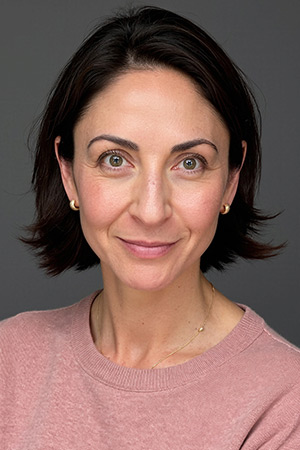
Jennifer Lynn Rosenthal, M.D., M.A.S.
View full bioAssociate Professor
Department of PediatricsRosenthal is a pediatric hospitalist and NIH-funded health services researcher whose work focuses on redesigning health care delivery to improve family engagement, clinical outcomes, and health equity for children and families. As Associate Dean for Research Education and Training at the UC Davis School of Medicine, she leads research training for medical students, residents, and fellows, and partners with Center for Precision Medicine and Data Sciences to develop workforce development programs that prepare the next generation of physician-researchers to advance precision medicine and data-enabled health care.
-
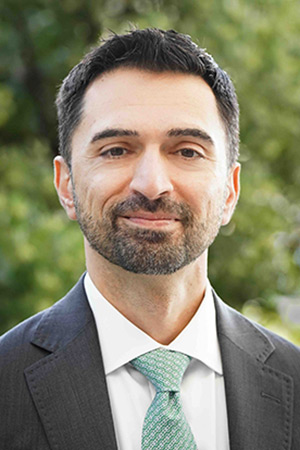
Kiarash Shalaie, M.D., Ph.D.
View full bioProfessor, Department of Neurological Surgery
Chair, Department of NeurosurgeryKia Shahlaie is a fellowship-trained neurosurgeon specializing in complex cranial surgery who believes patients and their families should be well informed and actively engaged in their care. His clinical expertise includes brain tumors such as meningiomas, skull base and pituitary tumors, trigeminal neuralgia, hemifacial spasm, epilepsy, and movement disorders including Parkinson’s disease, essential tremor, and dystonia, with advanced training in minimally invasive endoscopic and keyhole techniques. As an affiliate of the UC Davis Center for Precision Medicine and Data Sciences, Shahlaie is an award-winning educator at the UC Davis School of Medicine, leads multiple clinical trials, and has an active translational neuroscience research program at the UC Davis Center for Neuroscience focused on developing innovative brain stimulation strategies to improve learning, memory, and cognition.
-
Alice F. Tarantal, Ph.D.
View full bioProfessor, MED: Pediatrics
Professor, MED: Cell Biology and Human AnatomyAlice F. Tarantal, Ph.D., is Professor and Vice-Chair for Translational Research in the Department of Pediatrics, with a joint appointment in the Department of Cell Biology and Human Anatomy, School of Medicine. She is also Unit and Core Leader at the National Biomedical Research Institute (NBRI) at UC Davis. She serves in leadership roles in the UC Davis Clinical and Translational Science Center (CTSC) and School of Medicine Stem Cell and Gene Therapy Program, and directs the Translational Human Pluripotent Stem Cell Research Facility. Tarantal is the PI and Director of the Center for Somatic Cell Genome Editing which provides opportunities for a range of collaborative projects with NIH-funded investigators nationwide and incorporates new approach methodologies and precision models. Her research program focuses on gene therapy, somatic cell genome editing, and stem cell transplantation; prenatal onset of inherited or acquired diseases; maternal/placental/fetal interactions; and innovative applications of translational in vivo imaging. She has established unique models, techniques, and technologies and provides numerous opportunities for collaborations that utilize these capabilities for translational research and IND-enabling studies.
-
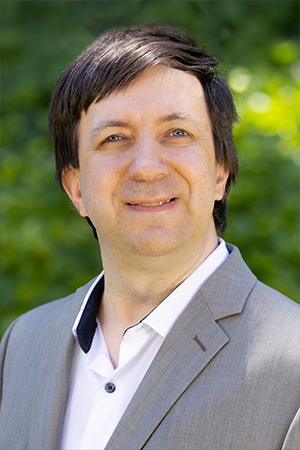
Igor Vorobyov, Ph.D.
View full bioAssociate Professor
Department of Physiology and Membrane BiologyIgor Vorobyov is a Professor in the Department of Physiology and Membrane Biology & the Department of Pharmacology at the UC Davis School of Medicine. His laboratory uses molecular modeling, docking, and molecular dynamics simulations to study how drugs, peptides, lipids, and other molecules interact with proteins of biomedical significance such as ion channels and G protein-coupled receptors - key therapeutic targets in multiple cardiac and neurological diseases.
-
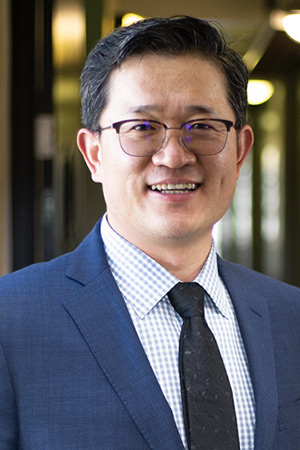
Aijun Wang, Ph.D.
View full bioPrincipal Investigator, Professor and Vice Chair
Department of Surgery
Department of Biomedical EngineeringAijun Wang, Ph.D., is a Chancellor's Fellow Professor of Surgery and of Biomedical Engineering at the University of California, Davis, where he directs the Center for Bioengineering in Medicine. He also serves as Vice Chair for Translational Research, Innovation and Entrepreneurship in the Department of Surgery and as the School of Medicine's inaugural Dean's Fellow in Entrepreneurship. His group combines single-cell spatial multi-omics with advanced bioengineering to study disease mechanisms and development. The team engineers stem cell and gene therapies, extracellular vesicle and lipid nanoparticle platforms, and biomaterial scaffolds for congenital and acquired diseases. Dr. Wang specializes in moving these therapies from bench to bedside, from discovery and IND-enabling studies through GMP manufacturing and clinical trials in both human and companion animal patients.
-
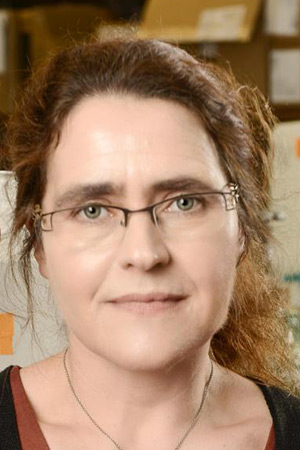
Heike Wulff, Ph.D., M.S. Pharm.
View full bioProfessor
Department of PharmacologyHeike Wulff is a Professor of Pharmacology at the University of California, Davis and the Director of the Analytical and Medicinal Chemistry Core of the UC Davis CounterACT Center of Excellence. She is Vice Chair for Education in her department and Discipline Lead for Pharmacology in the Medical School curriculum. Dr. Wulff has an approbation as an Apothecary and obtained her PhD in Medicinal Chemistry at the Christian Albrecht’s University of Kiel in Germany in 1998. She joined the laboratory of Dr. K. George Chandy at UC Irvine as a postdoctoral researcher in 1999 where she trained in molecular biology, electrophysiology and immunology and demonstrated that the voltage-gated potassium channel Kv1.3 is upregulated in effector memory T cells and constitutes a promising target for T-cell mediated autoimmune diseases. Her research is broadly focused on ion channel pharmacology and the design of new ion channel modulating drugs and tool compounds. She has authored more than 200 peer-reviewed publications on voltage- and calcium-activated potassium channels and more recently on GABAA receptors and sodium channels. Heike Wulff has been the Chief Field Editor for Frontiers in Pharmacology since 2018 and routinely serves on NIH review panels.
-
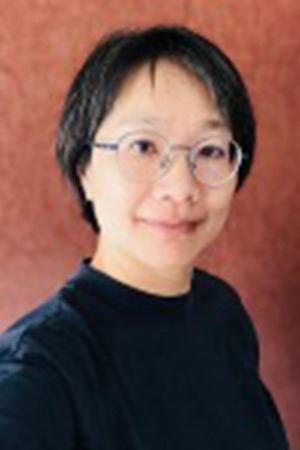
Pei-Chi Yang, Ph.D.
Project Scientist
Department of Physiology and Membrane BiologyPei-Chi Yang is a Project Scientist in the Department of Physiology and Membrane Biology at UC Davis and in the Center for Precision Medicine and Data Sciences. Her research employs computational models to explore how drugs, genetic mutations, hormones, and various interventions impact cardiac electrophysiology. She has contributed to creating predictive models for proarrhythmia risk and drug effectiveness, linking molecular pharmacology with clinical practice to enhance the safety and efficacy of antiarrhythmic treatments.
-
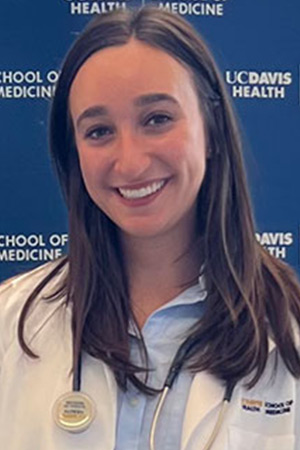
Chiara Anna Giordani
Medical Student in the ARC-MD Program
Chiara is a first-generation Italian-American, and she completed high school in Sacramento. She attended University of California, Los Angeles, for her undergraduate education, where she earned a B.S. in Molecular, Cell, and Developmental Biology and a B.A. in Italian. During her undergraduate studies, she joined a Neural Tumor Research Lab, which introduced her to translational research. This experience informed her decision to return to Sacramento and pursue a M.S. in Molecular, Cellular, and Integrative Physiology at University of California, Davis, prior to starting medical school. During graduate school, she developed an interest in computational biology, which is her current research focus as a medical student.
-
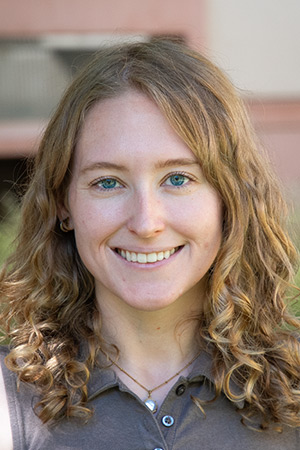
Sami Hennen
Ph.D. Student
Sami Hennen is a first-year Ph.D. student in the Yarov-Yarovoy Lab at the Center for Precision Medicine and Data Sciences. She earned her B.S. in Computational and Systems Biology from UCLA, then spent over three years at the National Renewable Energy Laboratory (NREL), first as a DOE Science Undergraduate Laboratory Intern and later as a Research Technician I under Vivek Bharadwaj. There, she developed machine learning models to predict glycosyltransferase substrate specificity, performed molecular dynamics simulations and protein-ligand docking with CHARMM, Amber, and AutoDock Vina, and built Python-based tools to automate coarse-grained plant cell wall modeling. This work led to a first-author publication in Digital Discovery and a talk at the 2025 American Chemical Society Spring Meeting. Her doctoral research focuses on the computational design of de novo peptide binders that activate the voltage-gated potassium channel Kv1.3 as a cancer immunotherapy strategy. Her work combines computational structural design with experimental validation using whole-cell voltage-clamp electrophysiology.
-
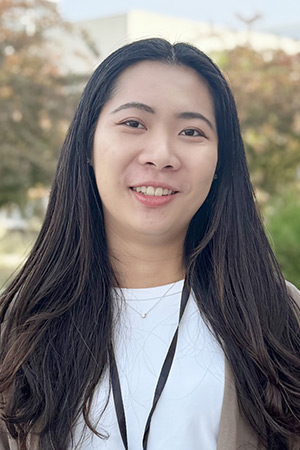
Yen Her-Lai
Ph.D. Student in Biomedical Engineering
Yen-Her Lai is a Ph.D. student at the Center for Precision Medicine and Data Sciences under the supervision of Igor Vorobyov. Her research integrates molecular dynamics simulations, structure-based modeling, and machine learning to study how genetic variation alters cardiac sodium channel function and drug response. Her long-term goal is to advance precision cardiology by linking genotype-specific molecular mechanisms to individualized therapeutic strategies.
-
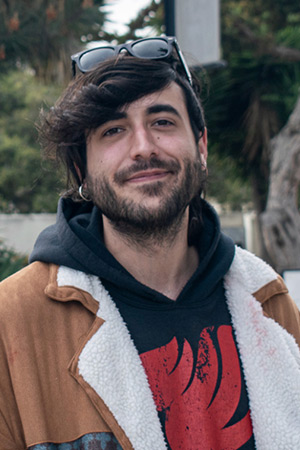
Diego Lopez Mateos, Ph.D.
Postdoctoral Fellow
dlopezmateos@health.ucdavis.edu
Diego Lopez Mateos is a postdoctoral researcher working at the intersection of biophysics, protein design, and precision medicine. By modeling ion-channel conformational landscapes, his research seeks to connect genetic variation at the single-residue level with emergent differences in channel function and pharmacological response across individuals, while leveraging these insights to design therapeutic modulators (including mini-proteins, antibodies, and macrocycles) that precisely target relevant channel states. In parallel, he develops data-driven approaches that integrate structural biology with clinical, patient-level records from large relational health databases to help connect molecular mechanisms to disease phenotypes and treatment response. Diego earned his undergraduate degree at the Technical University of Madrid (UPM), Spain, and completed his PhD in Biophysics at the University of California, Davis as a Fulbright Fellow.
-
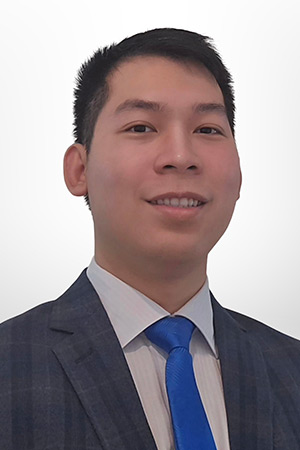
Khoa Ngo, Ph.D.
Postdoctoral Fellow
Khoa Ngo is a computational biophysicist whose research integrates structural biology, molecular modeling, and machine learning to understand how drugs interact with therapeutically important proteins, particularly those involved in cardiovascular function. His work focuses on determining how protein conformational states and genetic variation influence drug binding and response. By combining physics-based modeling with data-driven approaches, he aims to improve the prediction of drug effects and advance safer, more precise, and more personalized therapeutic strategies.
-
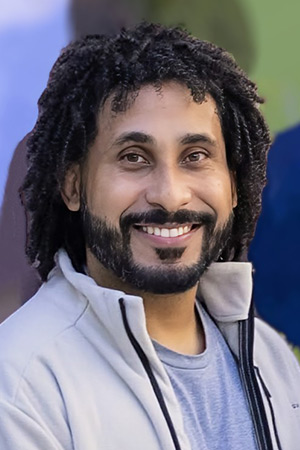
Clodomir Joaquim De Santana Junior, Ph.D.
Postdoctoral Fellow
Department of Internal MedicineClodomir Santana is a postdoctoral fellow at UC Davis Health who develops computational methods to understand how social and environmental factors shape cardiovascular outcomes. His work integrates natural language processing, network science, geospatial analysis, and machine learning applied to clinical and population data. His current research focuses on heart failure with preserved ejection fraction (HFpEF). It includes modeling individualized treatment effects, harmonizing data across multicenter cohorts, and characterizing how the built environment and other exposures relate to patient outcomes. He is a Fellow of the NIH-funded HeartShare consortium and the UC Davis AHA PRECISE Center. He earned his Ph.D. in Computer Science from the University of Exeter, where his research applied network science and metaheuristics.
-

Bridgette Smith, Ph.D., M.P.H.
Postdoctoral Fellow
Department of Internal MedicineBridgette P. Smith, M.P.H., is a Postdoctoral Fellow at the University of California, Davis and early career investigator for the Center for Upstream Prevention of Adiposity and Diabetes Mellitus (UPSTREAM) at Kaiser Permanente Northern California Division of Research. She completed her doctorate in Epidemiology and Master of Public Health at the University of California, Davis, where her training focused on maternal health, cardiovascular disease prevention, and the social determinants of health. Her research examines the intersection of social and structural determinants of health with obesity, diabetes, and cardiovascular disease risk, particularly among racially and ethnically diverse maternal populations. Bridgette’s work integrates advanced quantitative methods, mixed methods approaches, and spatial epidemiology to better understand how neighborhood, policy, and healthcare environments shape maternal health outcomes across the life course.
-
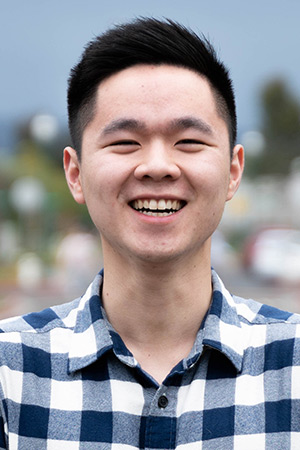
Jeffrey Wang
Medical Student
UC Davis School of MedicineJeffrey Wang is a current medical student at UC Davis School of Medicine with clinical interests in pulmonary critical care, hematology-oncology, and clinical genetics. He earned a B.A. in Molecular and Cell Biology and a B.A. Data Science from University of California, Berkeley.
Prior to medical school, he trained as a computational biologist in the Goodarzi Lab at UCSF, where his research on cancer-specific orphan non-coding RNAs formed the scientific basis for Exai Bio, a biotech spinout combining minimally invasive liquid biopsies with AI models for cancer detection and disease monitoring. He joined Exai Bio as a founding bioinformatics scientist.
His current research interests include multi-omics approaches to disease pathogenesis and progression, developing predictive models and clinical biomarkers for disease detection, leveraging electronic health record data for ICU risk stratification, and investigating COPD misdiagnosis patterns and their associations with socioeconomic disparities. His long-term goal is to facilitate the safe integration of AI into clinical workflows to advance personalized medicine and equip physicians with practical tools for better patient care.
-
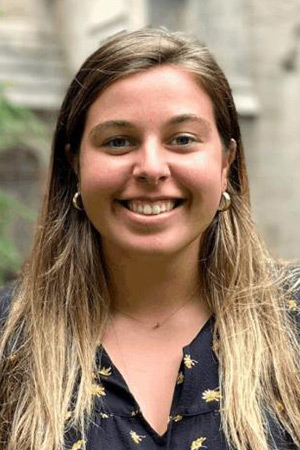
Hannah Marie Zukowski
Biomedical Engineering Ph.D. Candidate at UC Davis
Hannah M. Zukowski is a Ph.D. candidate in Biomedical Engineering at the University of California, Davis, where she conducts research in computational cardiovascular physiology. Her work focuses on developing multiscale computational models of mitochondrial bioenergetics and reactive oxygen species production to understand mechanisms of cardiotoxicity associated with cancer therapies. Using mechanistic modelling approaches, she investigates how radiation and chemotherapeutic agents disrupt cardiac cellular energetics and excitation-contraction coupling.
- Evan Cline
- Devin Dich
- Guilhem Olivier Fronval
- Cameron Hutt
- Lydia Jeng
- Sarah Mandujano
- Sahar Mominzadah
- Ciara Smth
- Neve Tulman
- Charles Young
-
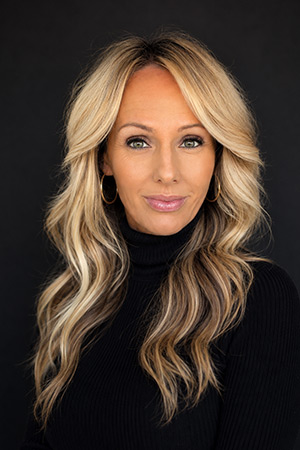
Danette Howard
Director of Administration and Finance
Danette Howard serves as Director of Administration and Finance for the Center for Precision Medicine and Data Sciences at the UC Davis School of Medicine, where she provides strategic leadership and oversight of the Center’s administrative, financial, operational, and research support functions. For the past nine years, she has supported complex research within the UC Davis School of Medicine, overseeing large portfolios of sponsored research funding across basic, translational, and clinical science programs. Danette brings extensive expertise in research administration, financial management, grants and contracts administration, compliance, strategic planning, and organizational operations. She partners closely with faculty, investigators, and institutional leaders to advance research initiatives, strengthen operational effectiveness, and support innovative discoveries that improve health outcomes through precision medicine and data science.
-
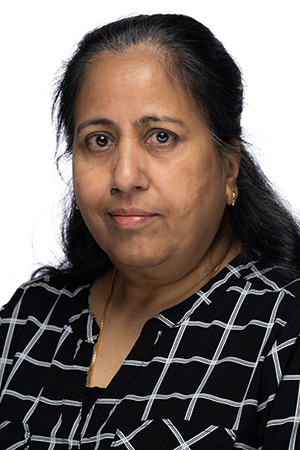
Uma Budamagunta
Webmaster
upbudamagunta@health.ucdavis.edu
Uma Budamagunta serves as the webmaster for the Center for Precision Medicine and Data Sciences at the UC Davis School of Medicine. She oversees the design and maintenance of the center's website to make sure it is updated with current information and with no errors or broken links. She always makes sure that the website is ADA compliant and easily accessible to all the users.
-
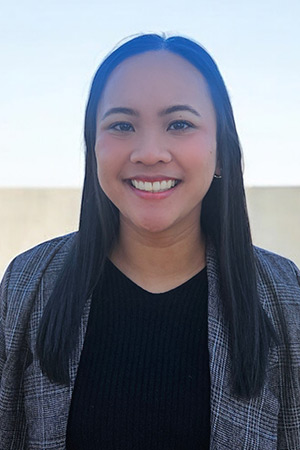
Ashley Joy Angeles
Executive Assistant
Ashley serves as the Executive Assistant to Director Colleen Clancy and the Administrative Assistant for the Center for Precision Medicine and Data Sciences at the UC Davis School of Medicine. She coordinates and plans seminars and events, manages scheduling and calendars, coordinates travel and reimbursements for the team, handles purchasing and social media accounts, and provides administrative support to Center members.


