Urologic Surgery Research
Researchers
Advancing the study and treatment of urologic conditions
Our department's largest research program centers on urologic oncology, with a strong emphasis on prostate cancer and bladder cancer.
Faculty investigators explore how androgen receptor signaling drives prostate cancer growth and progression. In pediatric urology, our teams study adult and embryonic stem cells to advance tissue engineering and regenerative therapies.
Advancing Care Through Discovery
Clinical trials connect patients with innovative treatment approaches and play a vital role in advancing urologic research.
See clinical trials at UC DavisFaculty Researchers
-

Allen C. Gao
Learn more about the researcherThe mission of Allen C. Gao’s laboratory is to understand molecular changes associated with the progression of prostate cancer cells, with the goals of identifying diagnostic markers and potential therapeutic targets for prostate cancer.
-
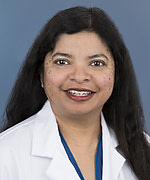
Paramita M. Ghosh
Learn more about the researcherGhosh’s research is focused on signal transduction pathways in prostate cancer development and progression. Her research projects are strongly mechanistic but also utilize human tissues and animal models to prove the effects of various combinations of FDA-approved drugs for the treatment of prostate cancer at varying stages of development.
-

Eric A. Kurzrock
Learn more about the researcherKurzrock’s laboratory focuses on studying urothelial cell biology, urothelial differentiation, adult and human embryonic stem cells and tissue engineering. The pediatric urology laboratory, led by Kurzrock, was the first to identify urothelial adult stem cells, identify urothelial stem-like cells in cultures and define the fate of transplanted bladder tissue.
-
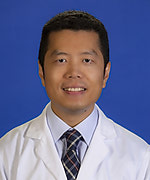
Chengfei Liu
Learn more about the researcherLiu is a clinical oncologist and prostate cancer researcher focused on understanding therapy resistance and disease progression in advanced prostate cancer. His work bridges basic and clinical research to develop novel therapeutic strategies, investigating protein modifications, drug resistance, steroid hormone metabolism and tumor immunology. His research spans nuclear receptors, protein modifications, ubiquitin-proteasome regulation, steroid hormone metabolism, pharmacokinetics/pharmacodynamics, tumor immunology and clinical translational studies. He has extensive experience in drug development, clinical trial design, patient-derived tumor models and overcoming therapy resistance. His long-term goal is to uncover mechanisms of resistance in urologic cancers and develop innovative strategies to re-sensitize tumors to effective treatments.
-

Alan Lombard
Learn more about the researcherLombard’s lab studies prostate cancer progression, focusing on mechanisms of therapeutic response and resistance. Current research emphasizes integrating PARP (poly [ADP-ribose] polymerase) inhibitors into treatment, developing novel combination therapies and targeting treatment-induced senescence in tumors. Using molecular, cellular and bioinformatics approaches alongside advanced in vitro and in vivo models, his goal is to translate discoveries into more effective therapies for patients.
-

Christopher Lucchesi
Learn more about the researcherLucchesi leads a research group focused on understanding bladder cancer development, progression and drug resistance. His lab studies the impact of environmental exposures and develops advanced 3-D tumor models, such as patient-derived organoid-on-a-chip systems. His research also identifies key cancer-driving protein interactions for therapeutic targeting.