

Ovarian cancer isn’t common. In fact, it affects only about 1.5% of women. But it’s still one of the leading causes of cancer death among women because it is often caught only after it’s quite advanced. The reason for this is that early symptoms are hard to detect and screening tests are limited.
However, fewer women are dying of ovarian cancer than in the past thanks to new treatment options. Early detection, when possible, increases chances of survival. That’s why it’s important to educate yourself about the risks and what possible early symptoms you should not ignore.
What is ovarian cancer?
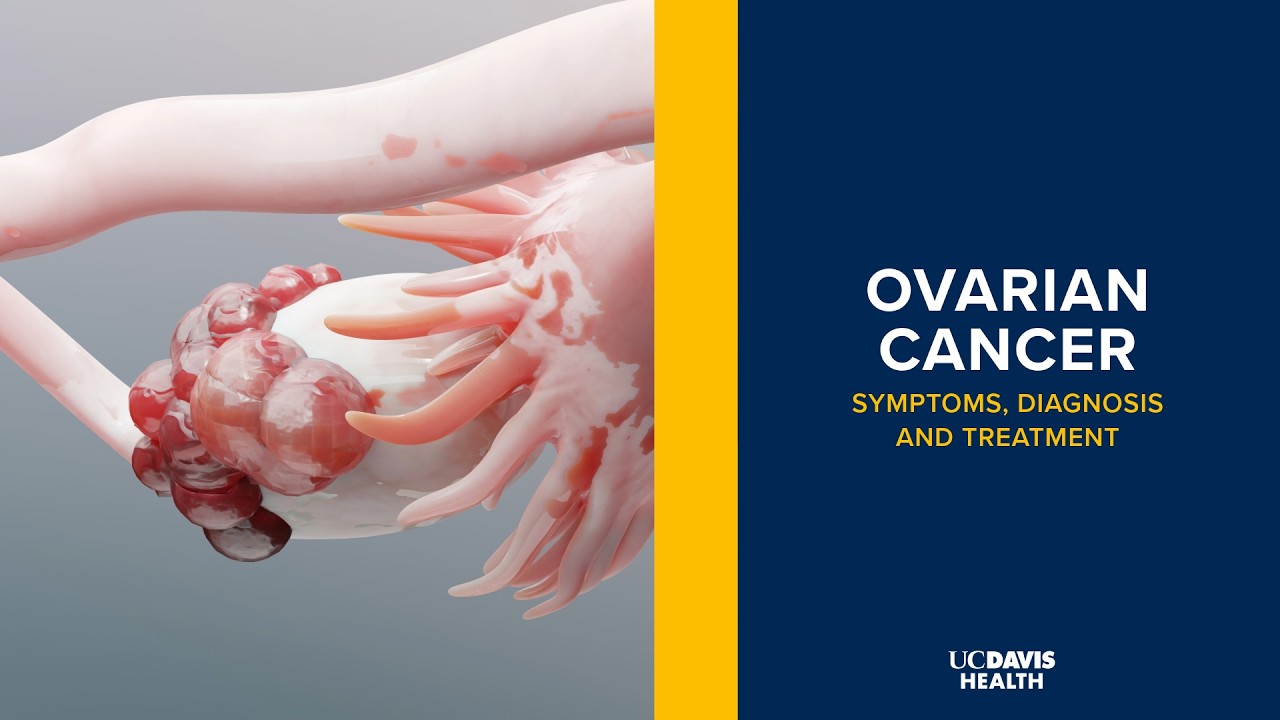
Ovarian cancer starts when abnormal cells grow and form tumors in the ovaries or in the fallopian tubes.
The most common type of ovarian cancer is called epithelial ovarian carcinoma. This is when tumors grow from the cells covering the ovaries or fallopian tubes. Cancer in the peritoneum, a membrane that lines the inside of your abdomen and pelvis, is also considered ovarian cancer.
Sign up for our Health Highlights e-newsletter
What are the symptoms of ovarian cancer?
Early ovarian cancer may not cause symptoms. When symptoms do appear, the cancer may be at an advanced stage.
Common symptoms of ovarian cancer
- Bloating, especially new bloating that persists.
- New pain in the abdomen or pelvis.
- Gastrointestinal problems, such as gas, constipation or changes in bowel movements.
- Feeling full early when eating or having trouble eating after just a few bites.
- Urinary symptoms, such as feeling like you have to go often, or new incontinence.
Less common symptoms of ovarian cancer
- Back pain
- Extreme fatigue or shortness of breath
- Painful sex
It’s important to note that these symptoms can be caused by a wide variety of conditions. Having some of them does not necessarily mean you have ovarian cancer. But if you are consistently having these symptoms over several weeks and if they seem to be getting worse, it’s important to talk to your healthcare provider
Learn more about care at the UC Davis Comprehensive Cancer Center.
How is ovarian cancer diagnosed?
Your healthcare provider will perform a physician exam and ask about your personal and family history. They may order imaging tests such as an ultrasound or CT scan to get a look at your ovaries or possibly other nearby organs.
Your provider may also recommend blood tests to check for a specific substance in your blood called CA 125, which can sometimes be a marker of ovarian cancer. However, CA 125 can also indicate inflammation or other conditions like endometriosis, so it isn’t the most reliable marker.
In some cases, a biopsy to remove some tissue and test it may be ordered. This is most common when the cancer has spread to other areas.
Learn why UC Davis Comprehensive Cancer Center has the highest designation
What is the treatment for ovarian cancer?
The treatment for ovarian cancer likely includes surgery to remove any tumors, as well as chemotherapy. Chemotherapy drugs can help stop the growth of cancer cells and they can be delivered in several ways: through a thin tube in the pelvic area, injected into a vein, or taken in pill form.
Some patients may also be eligible for treatment options through clinical trials at UC Davis Health.
Learn about ovarian cancer-related clinical trials at UC Davis Comprehensive Cancer Center
What are the risk factors for ovarian cancer?
Anyone with ovaries can develop ovarian cancer. According to the American Cancer Society, a woman’s chances of getting ovarian cancer in her lifetime is 1 in 91. But there are certain factors which can increase a person’s risk. These include:
- A mutation in certain genes, such as a BRCA gene.
- A family history of ovarian or breast cancer.
- Being older, especially post-menopausal. Roughly half of ovarian cancers occur in women over 63.
- Being obese or overweight.
- Never having carried a pregnancy to term or carried a pregnancy to term after age 35.
- A history of endometriosis. The genetic risk factors for endometriosis and ovarian cancer are similar.
Read more about causes and risk factors for ovarian cancer
Can you prevent ovarian cancer?
There is no known way to prevent ovarian cancer. But there are things you can do to reduce your risk, especially if you have a family history of ovarian cancer.
If you do have a family history, genetic testing is very important, because there are some measures that you can take to greatly reduce your risk. This includes surgeries to remove your ovaries, fallopian tubes or uterus, such as a hysterectomy.
Experts say it’s helpful to get genetic testing at an earlier age if you do have a history of the disease in your family. That gives you more options in terms of having a procedure before your risk goes up with age.
Other things that may reduce your risk include:
- Staying at a healthy weight
- Using oral contraceptives or hormone replacement therapy
Explore UC Davis Health’s services for women in all stages of life
New treatments and new hope for ovarian cancer
Though ovarian cancer remains difficult to detect early, new treatments are being developed and approved, and awareness of the disease has increased significantly.
The National Institutes of Health reports that incidence of ovarian cancer has been declining over the past decade or so. And according to the American Cancer Society, the rate of ovarian cancer deaths has decreased by 45% since 1976.
Experts agree that awareness of family history, genetic testing and being mindful of your body and any symptoms are key to prevention, early detection and survival.
Learn how to make an appointment at UC Davis Comprehensive Cancer Center
This blog has been medically reviewed by ovarian cancer specialist Rebecca Brooks, director of the Division of Gynecologic Oncology at UC Davis Health and UC Davis Comprehensive Cancer Center.