Most of us hardly notice all the plastic we come into contact with every day, but it is everywhere. It keeps our food fresh, lines our coffee cups, holds our shampoo, and makes up much of the clothing and carpeting in our homes.
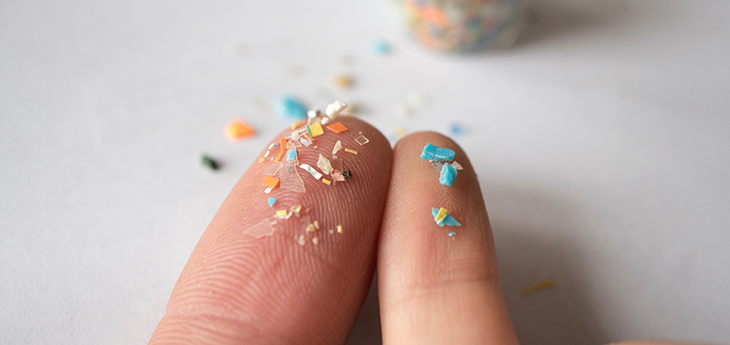
All this plastic can break down into tiny pieces called microplastics and even smaller pieces called nanoplastics. These tiny particles end up in the air we breathe and the food we eat. Researchers have found microplastics throughout the human body, including the brain, kidney, placenta and liver, as well as blood, breast milk and urine.
If that sounds alarming, take a deep breath. Scientists are still learning what all this means for human health. What’s clear is that exposure is widespread. But small changes can help reduce it.
Deborah Bennett, an exposure scientist and professor in the UC Davis Department of Public Health Sciences, has spent years studying how everyday products can affect our health. Below, she breaks it all down and shares simple, doable ways to reduce your exposure to microplastics.
1. Don’t microwave food in plastic, and don’t eat microwave popcorn
“Never microwave food in plastic. If you have food stored in plastic, transfer it to a ceramic or glass dish before you put it in the microwave,” Bennett said. “We know from research that microwave heating can release millions of particles of microplastic and billions of particles of even smaller plastic particles called nanoplastics into the food.”
She also recommends not eating microwave popcorn. “The bags are often lined with PFAS, known as the forever chemical. You would be better off using an air popper or popping popcorn on the stove with a little oil.”
Sign up for our Health Highlights e-newsletter
2. Store food in glass or stainless steel when possible
Research shows that plastic food storage containers, including takeout containers, can leach microplastics into the food. “In a perfect world, you wouldn’t want to store any food in plastic containers. But that’s not always realistic.”
“If you can, make glass or stainless-steel storage containers your go-to containers.” She notes glass containers with a plastic lid are less concerning than storing food in all-plastic containers.
Check out our healthy eating blog Good Food is Good Medicine
3. Select natural fibers for where you spend the most time: bed
Bennett suggests that you wear natural fibers, including cotton, linen, wool, hemp, cashmere and silk. It’s most important that you try to wear natural fibers while sleeping, since that accounts for a lot of your day. “You also want to choose sheets and pillowcases that are a natural fiber like cotton or linen.”
Get some tips to help you sleep soundly
4. Wash synthetic clothing in cold water and line dry
Microplastics from laundry are a major source of microplastic pollution. To reduce this, Bennett recommends washing all synthetic clothing in cold water. “It keeps the fabric from breaking down into microfibers, which is a type of microplastic.” Synthetic fibers include polyester, rayon, nylon, acrylic, polyester fleece, spandex and others.
Bennett also suggests avoiding the dryer. “The heat in the dryer also breaks down the fibers into microfibers.” She suggests hanging synthetic clothes on a clothesline or laundry rack.
5. Don’t drink water from plastic bottles; choose tap water instead
“Water in plastic bottles has a much higher level of microplastics than tap water. You definitely don’t want to drink it if you can avoid it.” Research published in 2024 found that a one-liter plastic bottle of water contained about 240,000 tiny pieces of plastic, of which 90% were nanoplastics (very small particles). Which is why Bennett recommends drinking tap water.
“Carrying a stainless steel or glass water bottle that you can refill is a good way to avoid microplastics.”
See why it's important for you to drink water and stay hydrated
6. Avoid processed food and fast food
“Processed food, including fast food, has higher levels of chemicals, including microplastics and phthalates.” Phthalates are a type of plasticizer. They are found in a wide range of products, including cosmetics, building materials and food packaging, such as the lining of cans.
But Bennett notes that it’s not realistic to avoid all processed food. “It’s not just exposure, it’s how much you are exposed to. So, if you want to have fast food every so often, don’t worry about it. Just try to limit it in general.”
7. Ditch the plastic spatulas, add some stainless-steel pots and pans
One of the easiest things you can do in the kitchen is ditch plastic spatulas and switch to natural materials. “You don’t need to get rid of everything, but you can buy a metal spatula, a wooden spoon, and a wooden cutting board. And then try to prioritize using those over the plastic ones as much as possible.”
Although nonstick cookware can release microplastic particles into food when the surface is scratched or broken, Bennett again notes it’s not realistic for people to replace all their cookware. “Ideally, you should get some stainless-steel or iron pots and pans, and again, make those your priority for the things you cook most often.”
8. Be selective about plastic toys and food for children
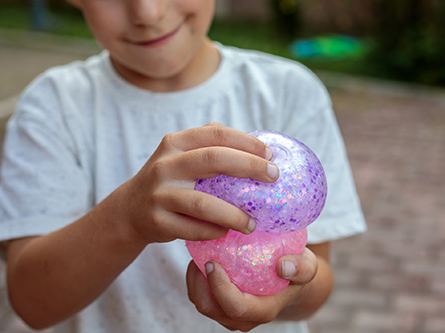
There are laws that limit the most harmful chemicals that make plastic more flexible (known as plasticizers) in children’s toys. But Bennett notes low-cost toys containing these chemicals don’t always get caught in safety checks. “In general, it’s a good idea to limit the number of plastic toys you buy your kids and go for wood or natural rubber as much as possible.”
Learn why you should partner with a primary care provider for your health
9. Reduce your exposure to fragrances in personal care and cleaning products
Bennett notes that most people may not realize that plasticizers are also in personal care products, as well as air fresheners and cleaning products. “They're typically part of the fragrance mix. Phthalates, for example, are often listed as fragrance.” She explained. “Try to avoid things that are really heavily fragranced, both in your cleaning supplies and also in your personal care products.”
If you want to limit your exposure to chemicals in personal care products, Bennett suggests checking the Environmental Working Group website. The nonprofit maintains databases of consumer products ranked from best to worst, including personal care products such as makeup, hair care, baby care and more.
10. Manage the dust, choose natural fibers underfoot
You might not think about the air and dust in your home as a potential source of microplastics, but they are. “Synthetic carpets, rugs, flooring and furniture break down over time, adding chemicals and plastic particles to indoor dust.”
To prevent dust particles from becoming airborne, she suggests regularly wiping surfaces and cleaning floors. A HEPA air filter in bedrooms or main living areas can also reduce inhalation exposure. If you are planning to buy new flooring or carpets, choose carpets or rugs made of natural fibers like wool, jute, or cotton to reduce plastic exposure.
The bottom line
Small changes add up. And you don’t have to be perfect! Prioritizing a few key habits can meaningfully reduce your exposure over time.
Plastic detox recap
- Don’t microwave food in plastic: It can release millions of microplastic particles into the food.
- Use glass, metal or ceramic with food: This keeps plastic out of what you eat and drink.
- Choose tap water and refillable bottles: Tap water (filtered if needed) usually has far less plastic than bottled water.
- Go natural where it matters most: Cotton sheets, wooden utensils and stainless-steel cookware reduce daily exposure.
- Be mindful with clothes and laundry: Wash synthetic clothes in cold water and air‑dry when you can.
- Be careful with children’s toys and food: Buy natural or organic as much as you can, especially during pregnancy and your child’s first two years.
- Limit ultra‑processed and fast foods: Eating more fresh foods reduces exposure to food packaging chemicals.
- Cut back on artificial fragrances: Choose unscented personal care and cleaning products.
- Cut back on indoor dust: Wipe surfaces with a damp cloth to reduce dust particles.
Learn more about microplastics
Here are more resources featuring University of California researchers or resources.
Watch
- Why you need to STOP microwaving plastic
- Do Microplastics Affect Your Health? Expert Answers to the Top Searched Questions
- Chemicals and infertility
Listen
Read