

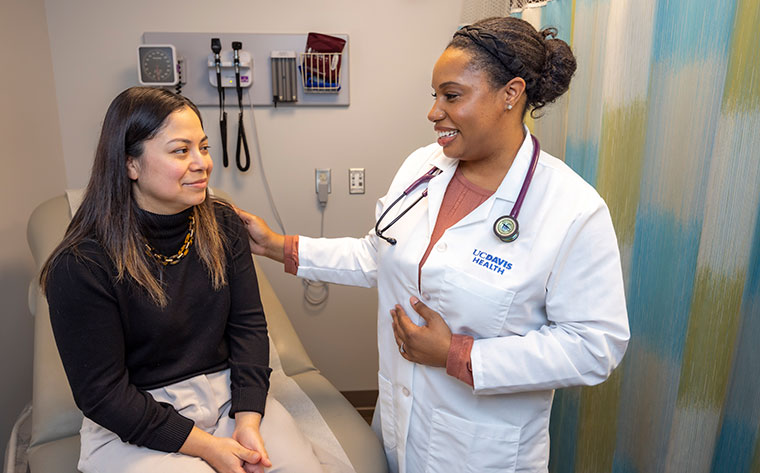
Routine screenings are snapshots of your health. The results help your doctor track changes as you age. This way you can find problems early when treatment may be easier and more effective.
The following screening guide includes recommendations for adults with average health risks. Talk with your doctor about specific screenings that are right for you. Ask your insurance company how the screenings are covered.
Fast facts about health screenings:
- Preventive screenings help find disease before symptoms begin.
- Blood pressure screening for adults begins at age 18.
- Cholesterol screening is advised at age 19.
- Diabetes screening often begins around age 35.
- Mammograms may begin at age 40 for women at average risk.
- Colorectal cancer screening generally starts at age 45.
- Screening needs vary based on your health history and risk factors.
What health screenings are recommended in your 20s?
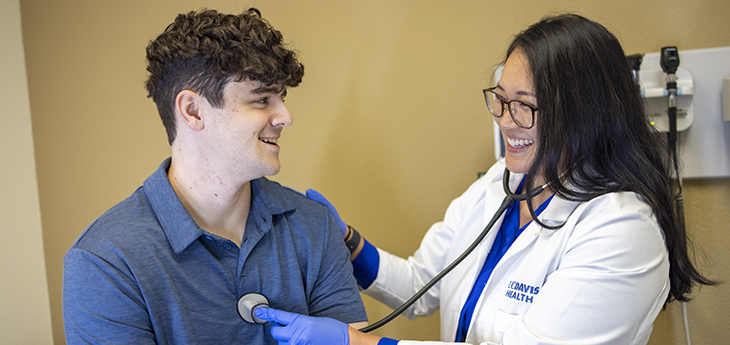
Health screenings in your 20s will be used for comparison as you get older. Tests for blood pressure and cholesterol are now routine. You should also be assessed for your risk of certain cancers.
Find primary care doctor that meets your needs at UC Davis Health
Blood pressure screening
High blood pressure can lead to things like heart attacks, kidney disease and problems with sexual function if left untreated. Early screening will help guide how often you should get your blood pressure checked.
- Normal blood pressure less than 120/80: Test every three to five years.
- Elevated blood pressure around 120-129/80: Test every year.
- High blood pressure greater than 130/80: Talk with doctor about lifestyle changes and medication. This is consistent with hypertension.
Cholesterol screening
You should get your first cholesterol screening no later than age 20. It’s recommended you start at age 19. High cholesterol can lead to heart disease. A simple blood test can provide answers that lead to healthier eating habits and lifestyle.
Sexually transmitted infection (STI) screening
Get tested for STIs before you start a new sexual relationship. If you or your partner notice sores or discharge or experience pain or burning, get checked immediately.
Some STIs include:
- Chlamydia
- Gonorrhea
- Syphilis
- HIV
- HPV
Read why STI testing and treatment matter
Cervical cancer screening

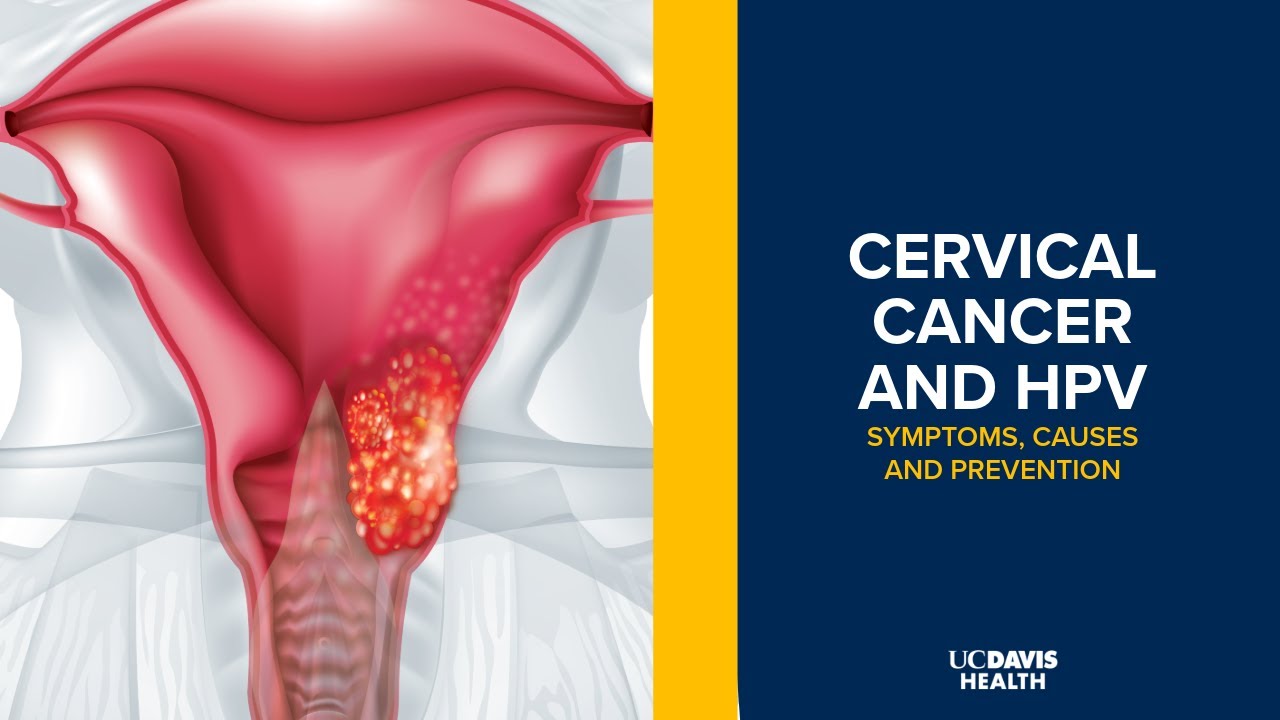
Cervical cancer screenings for women begin at age 21. From ages 21 to 29, women are generally advised to get cervical cancer screenings every three years.
Skin cancer screening
It’s helpful to get a full body skin cancer screening in your 20s. Discuss risk factors with your doctor including family history of melanoma, sunburns, working outside or light skin and eyes.
Explore our dermatology services for all skin types
Breast cancer risk assessment
It’s advised that you get a risk assessment for by age 25. This is for all women, especially those with a personal or family history of breast, ovarian or related cancers, or known BRCA or other genetic mutation in the family. The guidance is especially important for Black women and those of Ashkenazi Jewish descent.
Ask your doctor when breast imaging such as a mammogram, ultrasound or MRI is recommended.
You should also be aware of how your breasts normally look. Tell your doctor about anything unusual like a hard lump or thickened areas that feel different from your other breast tissue.
Learn why it’s important to get regular breast cancer screenings
What screenings should you get in your 30s?
Screenings in your 30s are a continuation of the tests in your 20s with a few additions. Discuss diabetes screening by age 35. Men with inherited BRCA gene mutation breast cancer risk may benefit from clinical breast exams.
Continued screenings include:
- Blood pressure screening
- Cholesterol screening
- Sexually transmitted infection (STI) screening
- Cervical cancer screening
- Skin cancer screening
Additional health screenings in your 30s include:
Diabetes screening
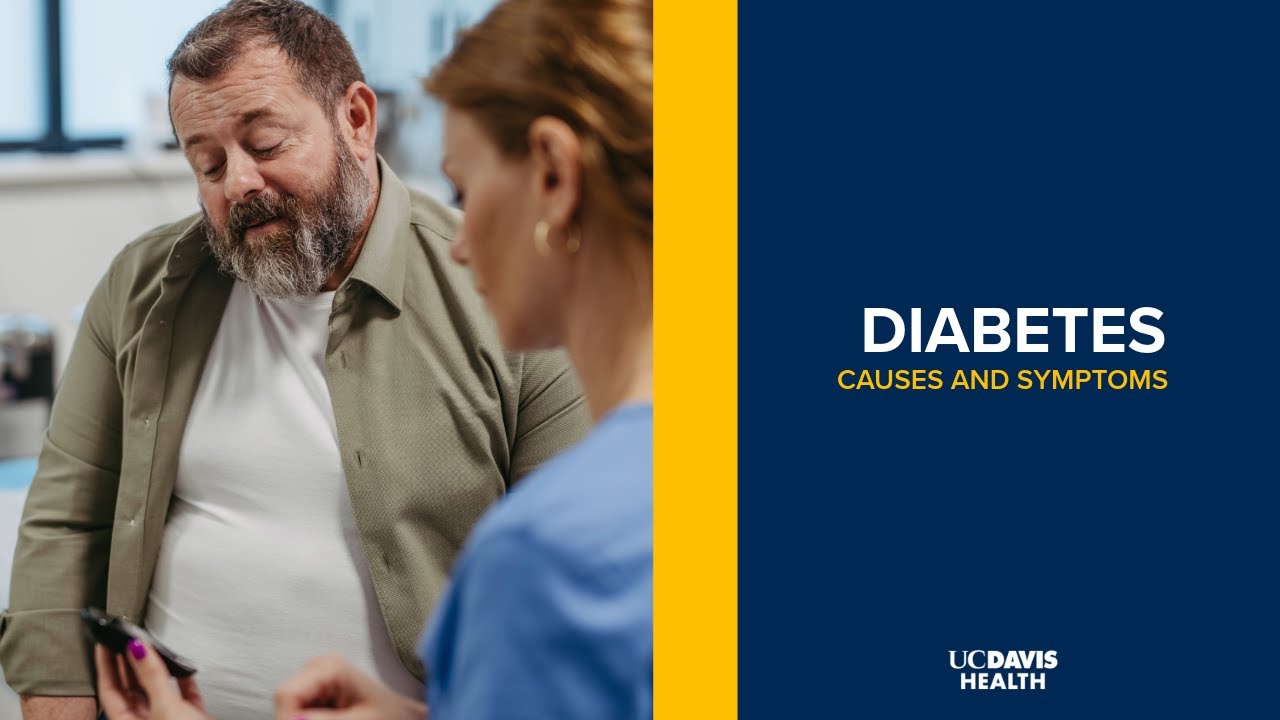
Diabetes is a serious health condition that can lead to heart disease, vision loss, and kidney disease. Tests usually start at age 35. They are especially important for adults who are overweight or have other prediabetes risk factors.
Breast cancer screening
Women in their 30s should be aware of how their breasts normally look and feel. Talk with your doctor about anything unusual. Also, discuss your risk factors, family history and any need for breast imaging.
Men who have a family history of inherited BRCA gene changes should be doing self-exams by age 35 and clinical exams annually.
What screenings do you need to stay healthy in your 40s?
Health screenings in your 40s still include blood pressure, cholesterol, and diabetes. Women may start annual mammograms at age 40. Colon and rectal cancer screenings generally start at age 45.
Additional health screenings in your 40s include:
Heart disease risk screening
A heart disease risk assessment is recommended for all adults at age 40. This screening looks at your medical history, lifestyle and other factors to estimate your chance of having a heart attack or stroke within the next 5 to 10 years.
Results will be used to determine frequency and kinds of future screening.
Learn eight ways to reduce your risk of heart disease
Breast cancer screening
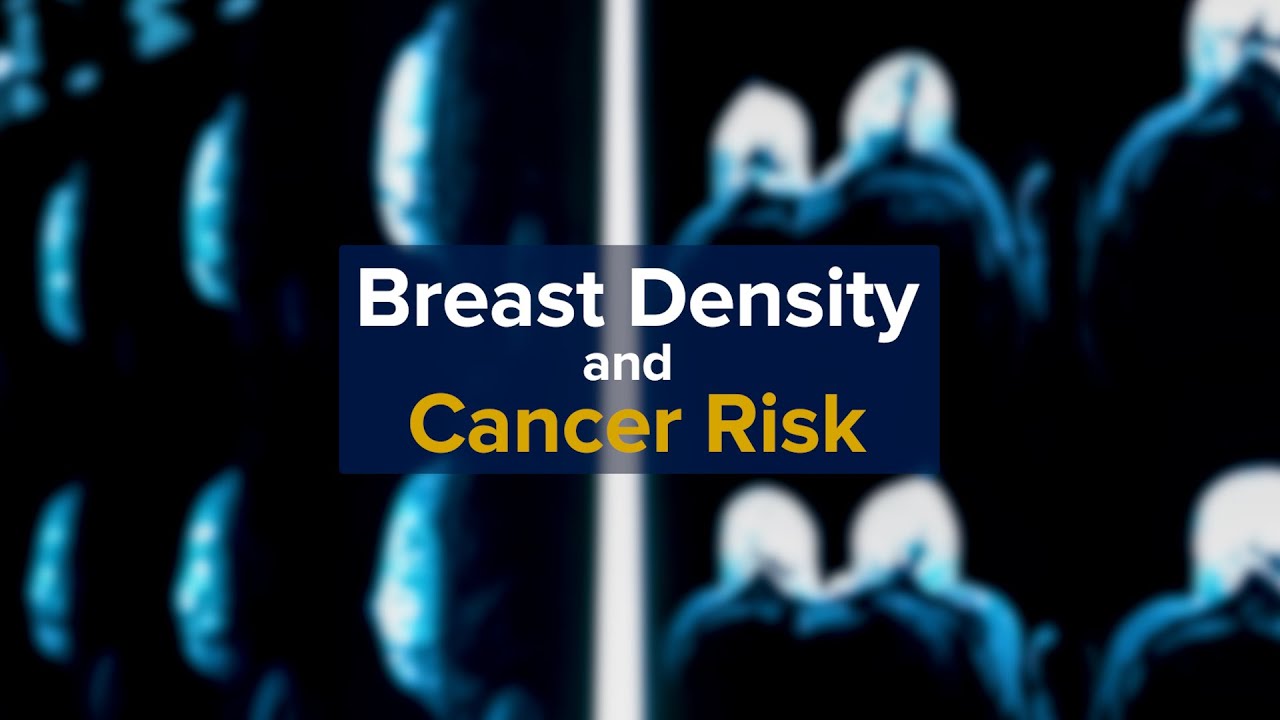
People with an average risk of breast cancer have the option of getting annual mammograms starting at age 40. It’s recommended that women get yearly mammograms starting at 45.
Find out if you have dense breasts
Colon and rectal cancer screening
Routine colonoscopies, which check for colon cancer, usually begin at age 45. Talk with a doctor about testing before 45 if you have a family history of colorectal cancer or other risk factors, as you may need to be screened sooner.
Read why colorectal cancer is getting more common in younger adults
Perimenopause
Women should also discuss perimenopause with their doctor, which usually starts in their mid to late 40s. Perimenopause is when hormone levels change and gradually decline as women near menopause. Symptoms include irregular periods, hot flashes, sleep problems, mood changes and possible hair loss.
Talk with your doctor about whether you might benefit from hormone replacement therapy.
Your doctor may recommend blood tests to rule out other conditions that have similar symptoms such as:
Learn about symptoms and treatment of perimenopause
Prostate cancer screening
Men at higher risk for prostate cancer should talk with their doctor about getting screened around age 40. Prostate cancer is one of the most survivable cancers when caught and treated early.
Sign up for our Health Highlights e-newsletter
Why are health screenings in your 50s so important?
Screenings in your 50s are important because risk factors increase with age. Talk with your doctor about prostate cancer screening, regular skin cancer checks, getting the shingles vaccine starting at age 50 and lung cancer screening if you have a history of smoking.
Continued health screening includes:
Additional screenings in your 50s include:
Lung cancer screening
Talk with your doctor about getting a low dose CT scan of your lungs if you have a history of heavy smoking. This helps with early detection of lung cancer.
Read more about why lung cancer screening is important
Find out how our lung cancer experts help save lives
Prostate cancer screening
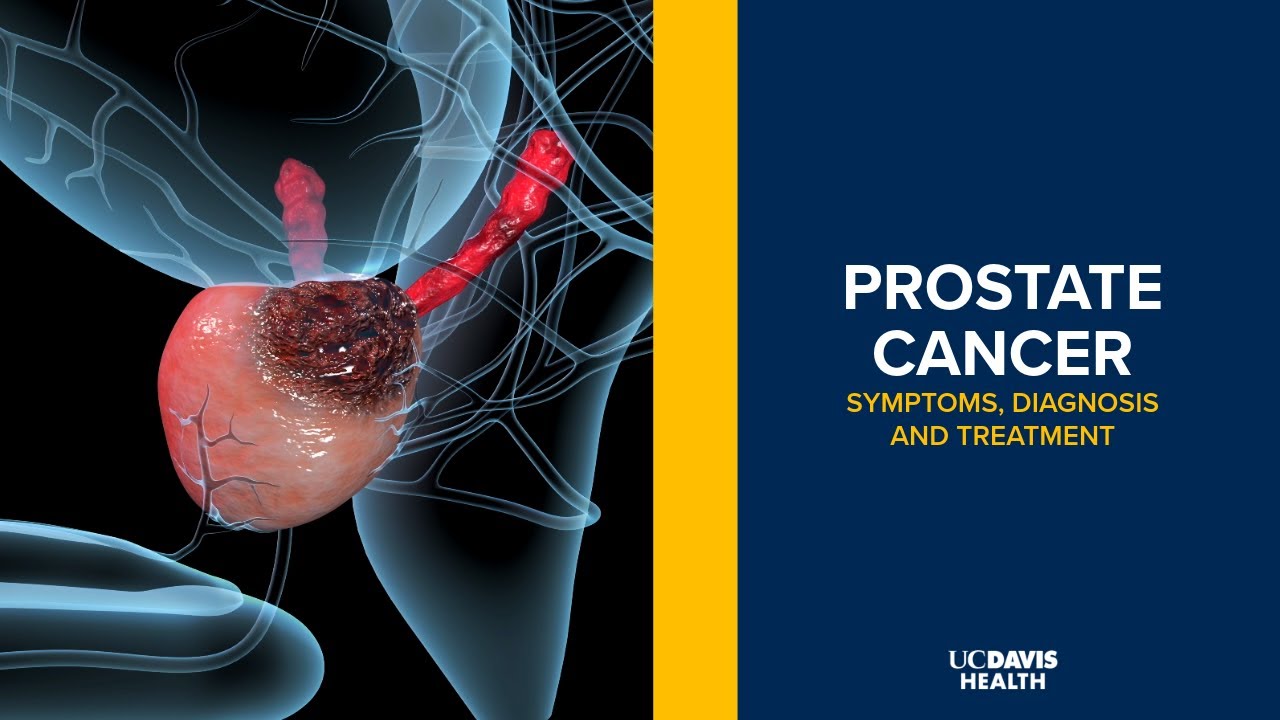
Screening for prostate cancer generally begins around age 50. Your doctor will discuss symptoms and recommend a PSA test. This involves taking a small amount of blood from your arm.
Skin cancer screening
Skin cancer risk increases after age 50. This is because of damaging sun exposure when you were younger and a weakening immune system as you get older. Talk to your doctor about full body screening. The screening is a quick visual check from head to toe where the doctor looks for anything abnormal.
Shingles
It’s also a good idea to talk to your doctor about the shingles vaccine. The first of two doses of the vaccine is recommended at age 50.
Symptoms of shingles can range from a painful blistering rash to loss of eyesight. It’s caused by the same virus that causes chickenpox. As our immune system weakens from age, the virus wakes up and attacks the nervous system.
Sign up for our Health Highlights e-newsletter
What are the recommended health screenings in your 60s?
Adults in their 60s are often concerned with bone density, vision, hearing and cancer. Women should also talk with their doctor about menopause care.
Continued screenings include:
- Blood pressure screening
- Cholesterol screening
- Cervical cancer screening
- Breast cancer screening
- Colon and rectal cancer
Additional screenings in your 60s include:
Bone density
Screening for low bone density is generally recommended for women over age 65. Women who are under 65 and postmenopausal should be screened sooner if a clinical assessment finds they are at greater risk. Density refers to the mineral content in bones that keeps them strong and can decrease with age.
See our orthopedic services for people of all ages
Eye disease
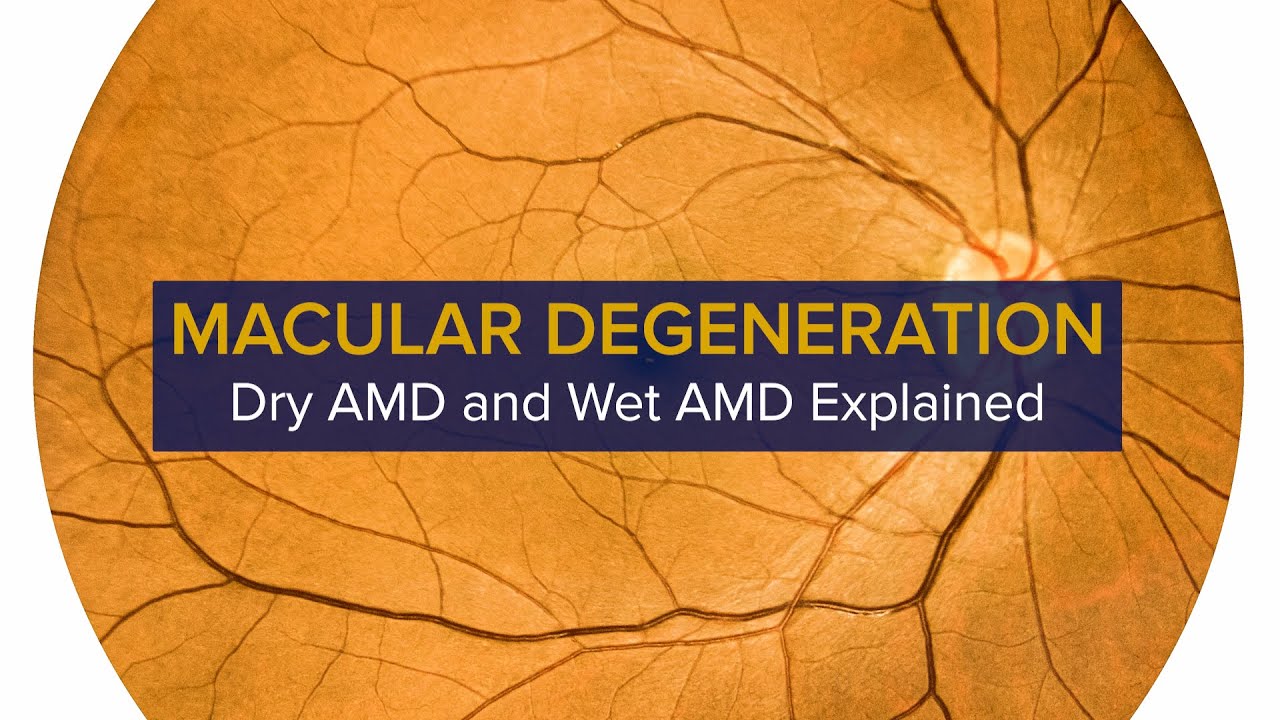
Preserve your eye health by getting screened for diseases such as glaucoma, cataracts, and macular degeneration. Anyone can develop these conditions even if you don’t have family history. Common symptoms include blurred vision, light sensitivity and difficulty seeing at night.
Explore our complete eye care specialties
Hearing loss
Hearing loss becomes more common after age 65. If you’ve noticed a ringing or buzzing in your ears, these could be symptoms of tinnitus. Consider getting a health and audio evaluation of your ears. Hearing loss can also raise your risk of dementia.
Ask your doctor about:
Learn about heart disease risk factors for women
Health screenings for women and men in their 70s include:
Routine health screenings in your 70s monitor ongoing health problems and any age-related concerns such as
- Blood pressure
- Diabetes
- Cholesterol
- Bone density
- Hearing
- Vision
- Memory loss
- Prostate cancer
- Colon and rectal cancer
- Mammograms
Get seven tips to stay healthy as you age
Talk with your primary care doctor or healthcare provider about your unique risk factors and the best health screenings and treatment for you.
Find a primary care provider to partner with for your health
This blog has been medically reviewed by family medicine physician Nesser Ramirez.
Screening recommendations are based on guidance from the U.S. Preventive Services Task Force (USPSTF), National Institutes of Health (NIH), NIH National Cancer Institute, American Cancer Society, American Heart Association, CDC, American Academy of Family Physicians (AAFP) and other national medical organizations.