

The focus of my research is to define the cellular and molecular pathways that mediate the development of epilepsy following brain injury, with particular emphasis on regulation of inhibitory neurotransmitter systems, and how they contribute to later development of epilepsy (epileptogenesis). My laboratory utilizes pharmacological, molecular, immunohistological, behavioral and long-term video-EEG approaches for studies of epileptogenesis in a variety of mouse and rat models of acquired epilepsy including chemoconvulsant and experimental TBI models.
Brooks-Kayal Lab
Mechanisms to Therapies Lab for Epilepsy
-
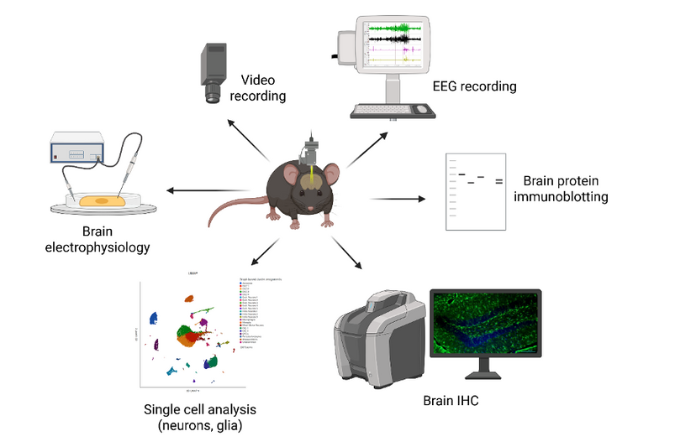
Our Research Goals
The overall goal of our research program is the identification of novel therapeutic approaches to the prevention and treatment of both seizures and cognitive co-morbidities associated with epilepsy.
-
Current Projects
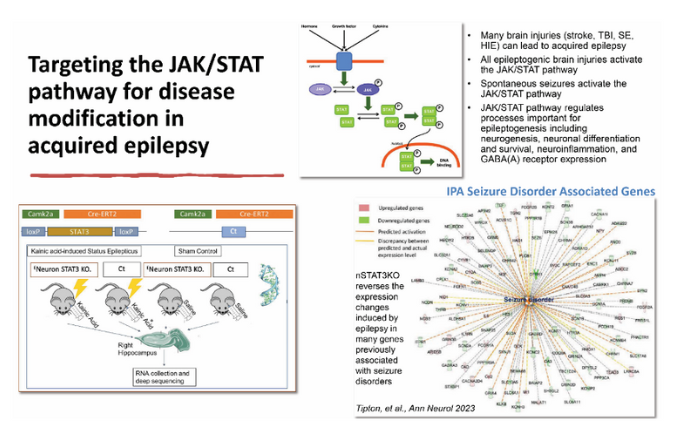
1.The STAT3 response of excitatory neurons to epileptogenic brain injury (Russek/Brooks-Kayal, MPIs)- The major goal of the project is to investigate the role of the neuronal JAK/STAT pathway in brain inflammation, excitability, seizure development, pharmacoresistance and cognitive co-morbidities in a mouse model where classical STAT3 signaling is selectively knocked out in excitatory neurons.
2.UC Davis CounterACT Center of Excellence (Lein/Brooks-Kayal, MPIs): Developing Therapeutic Strategies for Mitigating the Chronic Neurological Consequences of Acute Organophosphate Intoxication. Acute organophosphate (OP) poisoning can trigger life-threatening status epilepticus and lasting neurological damage, including recurrent seizures and cognitive decline, which current medical countermeasures cannot fully prevent. The objective of this project is the identification and development of novel therapeutic strategies that when administered as an adjunct to in-field standard of care treatments for cholinergic crisis and status epilepticus triggered by organophosphate cholinesterase inhibitors will mitigate the onset, severity and/or progression of long-term, adverse neurological consequences.
3. JAK/STAT signaling as a therapeutic target to mitigate long-term effects of acute organophosphate intoxication (Brooks-Kayal/Lein- MPIs) - This project will use a well-established rat model of OP intoxication to define how STAT3-driven neuroinflammation promotes epileptogenesis and impairs memory, and to test whether adding a JAK1/2 inhibitor to standard of care can mitigate seizures and cognitive deficits. These studies aim to establish STAT3 as a key driver of persistent neurotoxic effects of acute OP poisoning and advance ruxolitinib as a translatable therapy to improve long-term outcomes in survivors poisoned by OP chemical threat agents.
-
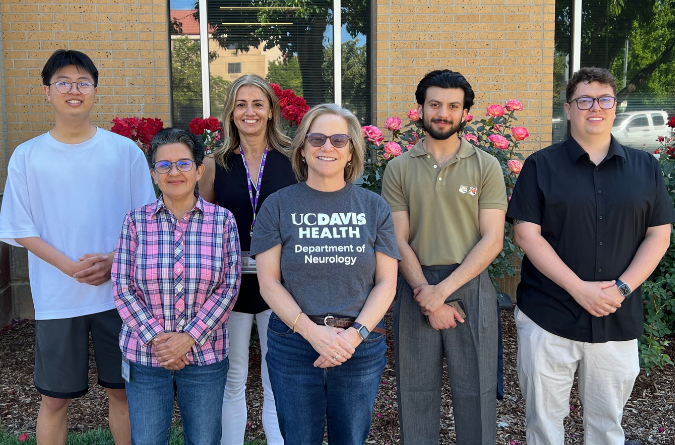
Our Team
• Yasmin Cruz Del Angel, SRA IV, Lab Manager
• Daniel Fonseca Barriendos, PhD, Post Doc
• Yaseen Khan, SRA II
• Ghazelaleh Yazdani, GSR
• Eleonora Napoli, PhD, Project Scientist
• Alex Wong, Undergraduate Student- Biomedical Engineering Program