

A deep vein thrombosis, or DVT, is a serious condition that affects hundreds of thousands of Americans each year. It’s on the same level as other major health problems like heart attacks and strokes.
While it often starts quietly, it can quickly become dangerous if not treated. Knowing the signs, risks, and treatment options for DVT can help protect your health — and even save your life.
What is a deep vein thrombosis (DVT)?
A DVT is a blood clot that forms in a deep vein. Most DVTs happen in the legs, but they can also form in the arms, pelvis or abdomen. These deep veins carry blood back to the heart and lungs.
The biggest danger is that part of the clot can break loose and travel to the lungs. When this happens, it’s called a pulmonary embolism (PE). A PE can block blood flow in the lungs, making it hard to breathe and putting strain on the heart. In severe cases, it can be life‑threatening.
In rare situations, a clot can pass through a small opening in the heart and travel to the brain, causing a stroke.
Learn about different vein diseases
How common are DVTs?
DVTs are more common than many people realize. About 1 in 1,000 people are diagnosed with a DVT each year. The risk is higher for:
- Older adults
- People with cancer or chronic illnesses
- Patients who are hospitalized or in the intensive care unit (ICU)
Some studies suggest that up to one‑third of ICU patients may have a DVT when screened with ultrasound.
Explore our Heart and Vascular care
DVT symptoms: Early warning signs to watch for
Most serious DVTs occur in the legs. Symptoms often appear on one side of the body and may include:
- Swelling
- Pain or tenderness
- Heaviness or aching
- Redness or warmth
These symptoms happen because the clot blocks blood from flowing out of the leg, causing blood to pool.
It’s important to know that not all DVTs cause symptoms. Some clots are “silent,” which is why awareness and risk assessment are so important.
When should you go to the emergency department?
Knowing when to seek emergency care can make a critical difference.
Go to the emergency department if:
- Your leg is very swollen or very painful
- You have trouble breathing, chest pain, dizziness, or feel faint. These may be signs that a clot has moved to your lungs.
Call your doctor if:
- Your symptoms are mild
- You notice new or unusual swelling that isn’t painful
When in doubt, it’s always better to get checked.
Level-1 adult and pediatric trauma care at UC Davis Health
How is a DVT diagnosed?
If your care team suspects a DVT, they may order several tests, including:
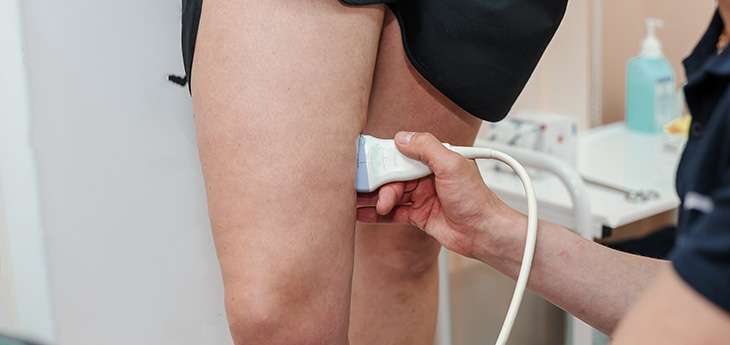
- Ultrasound of the leg to look for clots
- CT scan of the lungs if you have shortness of breath
- Blood tests to check for infections, kidney problems, or other clotting risks
- Medical history review, including recent travel, medications (such as birth control), or past history of blood clots
If doctors are concerned or if you are very sick, they may start a blood thinner right away, even before all tests are complete.
How is a DVT treated?
UC Davis Health offers specialized, team‑based care for patients with DVT and pulmonary embolism.
For patients with severe clots in the lungs, UC Davis Health has a Pulmonary Embolism Response Team, or PERT. This team brings together experts from multiple specialties to quickly evaluate and treat life‑threatening clots.
In some cases, doctors can use minimally invasive procedures to remove clots directly from the lungs using suction catheters. These procedures can be lifesaving for very sick patients and are not available at every hospital.
Vascular surgeons and interventional radiologists at UC Davis Health work closely together. This allows them to decide whether a patient is best treated with:
- Medications like blood thinners
- A procedure to remove or break up the clot
- A combination of both
This collaborative approach helps ensure treatment is tailored to each patient’s condition and the location of their clot.
Can you get another DVT?
Yes. Having had a DVT is one of the strongest risk factors for getting another one.
Reasons include:
- Ongoing medical conditions that increase your risk for forming clots
- Damage or scarring in the vein from the first clot that make future clots more likely
For many patients, DVT is not just a one‑time event — it’s something that requires long‑term awareness and care.
How to reduce your risk of a DVT
While not all DVTs can be prevented, healthy habits can lower your risk:
- Stay active — movement helps blood flow.
- Avoid long periods of sitting or lying down.
- Stay hydrated.
- Manage chronic conditions.
- Take medications as prescribed, including blood thinners if recommended.
Hospitalized patients are at higher risk because they move less, which is why hospitals focus on early mobility after surgeries and prevention.
Sign up for our Health Highlights e-newsletter
Common myths about DVTs
Myth: All DVTs are the same.
Fact: Some DVTs are severe and life‑threatening, while others cause few or no symptoms and can be treated safely without needing to be in the hospital.
Myth: Once treated, the problem is over.
Fact: Some patients develop post‑thrombotic syndrome, which can cause long‑term swelling, pain, heaviness, or even non‑healing wounds due to permanent vein damage.
For many people, DVT is both an urgent medical issue and a chronic condition that needs ongoing attention.
Take action: Don’t ignore the signs of DVT
If you notice new leg swelling, pain, or warmth — or if you have symptoms and risk factors for DVT — don’t wait. Early diagnosis and treatment can prevent serious complications.
Talk with your doctor to learn more about your risk and treatment options. If you have sudden symptoms or trouble breathing, seek emergency care right away.
Learn why you should partner with a primary care provider for your health
This blog was medically reviewed by vascular surgeon Mimmie Kwong.