
Protein is one of the most talked-about nutrients right now and for good reason. From how much we need to where to get it, it’s a question dietitians hear every day. While many people often think of meat, dairy or eggs, protein doesn’t have to come from animal products to support your health.
Plant-based protein offers a powerful alternative. Foods like beans, lentils, tofu, nuts and whole grains can provide the protein your body needs, often with less saturated fat and sodium than animal-based options.
What is plant-based protein?
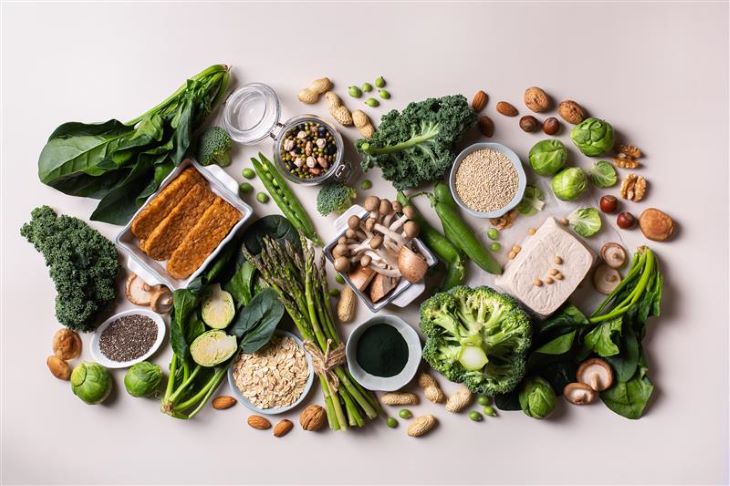
Plant-based proteins come from foods grown from the earth rather than from animals.
Common sources include:
- Legumes: beans, lentils, peas
- Soy foods: tofu, tempeh, edamame
- Nuts and seeds
- Whole grains: quinoa, farro
Explore this delicious recipe for a summer squash and corn medley
Benefits of plant-based protein
Unlike animal-based proteins, plant-based protein sources are often rich in fiber, antioxidants, vitamins and minerals. This means you’re not just getting protein. You’re eating nutrient-dense foods that support heart health, digestion and long-term disease prevention.
While most plant-based proteins don’t contain all the essential amino acids on their own, eating a variety of plant-based foods throughout the day can still give your body everything it needs.
Learn how to make your produce last longer
Sign up for our Health Highlights e-newsletter
Why your body needs protein
Protein plays a vital role in almost every function of the body, such as:
- Building and repairing muscles and tissues
- Supporting immune function
- Promoting healthy skin, hair and nails
- Keeping you feeling full and satisfied after meals
Adequate protein intake is important during all periods of the life cycle. It can be especially important during periods of growth or aging, recovery from illness or injury and in those who are physically active.
Make a Moroccan-spiced chickpea glow bowl on your next “meatless Monday”
Easy ways to eat more plant-based protein:
- Add beans or lentils to soups, salads or grain bowls.
- Swap meat for tofu or tempeh in stir-fries.
- Snack on nuts, seeds or roasted chickpeas.
- Try a “Meatless Monday” each week.
Choosing plant-based proteins more often can be a simple but meaningful choice that adds up over time and promotes long-term health.
This blog was written by Lauren Grijalva, a dietetic intern in the UC Davis Health Dietetic Internship Program.