
Infectious DiseasesJuly 14, 2026
Cyclospora: The tiny parasite behind 'explosive diarrhea' cases

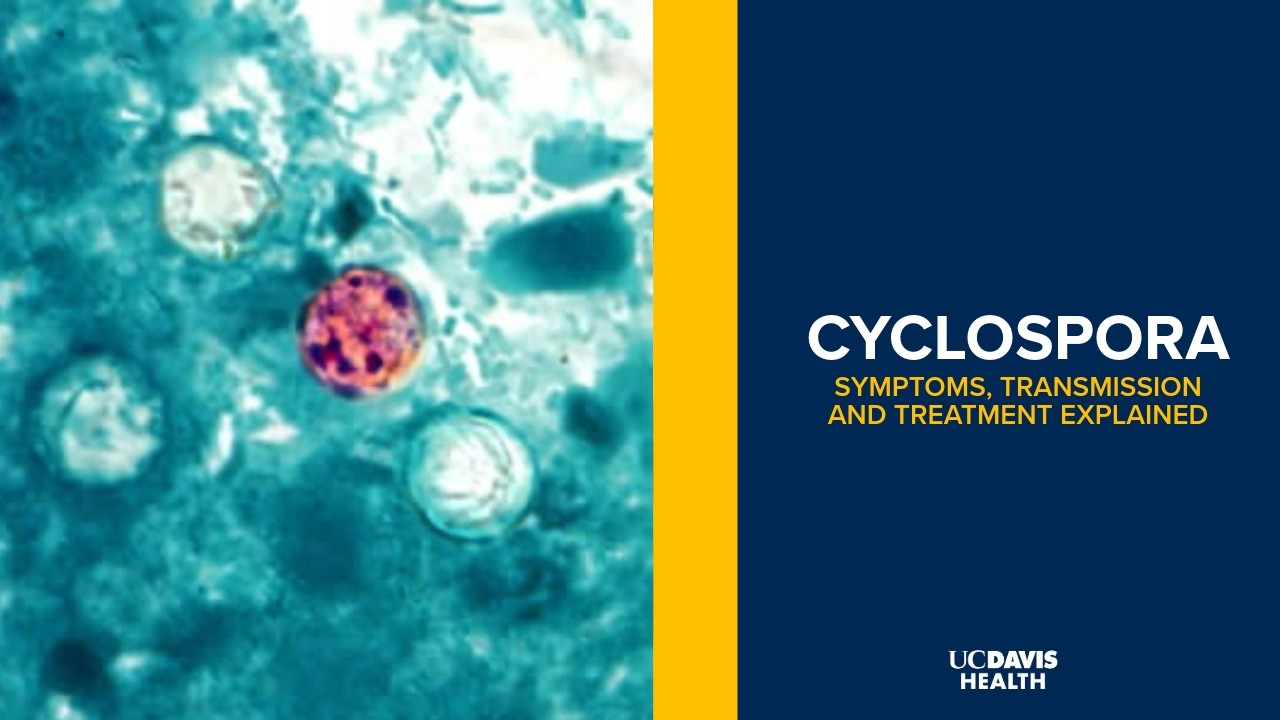
(SACRAMENTO)
You have likely seen the headlines about cyclospora, the parasite causing cases of explosive diarrhea in dozens of U.S. states.
Cyclospora is a foodborne parasite that can cause severe gastrointestinal illness. It has been linked in the past to fresh produce such as herbs, salad greens and berries.
What you need to know about Cyclospora
- Cyclospora can cause cyclosporiasis, a gastrointestinal illness.
- The illness primarily affects the digestive system.
- The hallmark symptom is watery, sometimes explosive, diarrhea.
- Other symptoms can include nausea, bloating and excessive gas.
- Unlike many other gastrointestinal illnesses, Cyclospora is not typically associated with significant vomiting or fever.
How does Cyclospora spread?
Cyclospora is primarily transmitted through the fecal-oral route. In simple terms:
- People become ill after consuming contaminated food.
- Food can become contaminated when an infected person with poor hand hygiene handles it.
- Direct person-to-person transmission is very rare.
Foods commonly linked to cyclosporiasis outbreaks include:
- Bagged or processed salad greens
- Basil
- Cilantro
- Parsley
- Raspberries
- Blackberries
- Snow peas
- Sugar snap peas
What are the symptoms of cyclosporiasis?
A key clue: Explosive diarrhea without vomiting.
Many common gastrointestinal illnesses, including norovirus, are often accompanied by vomiting and sometimes fever. Cyclospora can look different, making the absence of those symptoms an important clue.
Diagnosis and treatment of cyclosporiasis
The good news: Cyclospora can be identified with a simple stool test.
- A gastrointestinal PCR panel can detect the parasite.
- Once diagnosed, it can be treated with the antibiotic trimethoprim-sulfa.
- Treatment can help shorten the course of illness.
How to reduce your risk of cyclosporiasis
Preventing Cyclospora can be challenging because the foods most commonly associated with outbreaks can be difficult to completely decontaminate, even after thorough washing.
Experts recommend:
- Washing produce carefully before eating.
- Choosing whole, unprocessed produce when possible, such as a head of lettuce instead of bagged lettuce.
- Thoroughly cleaning fruits and vegetables before consumption.
- Cooking produce when appropriate, as cooking can help reduce contamination.
Having gastrointestinal issues?
If you're experiencing persistent diarrhea or other gastrointestinal symptoms, contact your primary care provider. A simple stool test can help determine the cause and whether treatment is needed.
Want to learn more? Check out our resources on common causes of diarrhea and constipation and get tips for managing irregular bowel movements.