Leadership Message: How mechanical forces shape the fragile newborn gut
(SACRAMENTO)
Dear Colleagues,
In the NICU, many of our sickest babies share a common challenge: their intestines are simply not ready for the stress of life outside the womb. For premature infants and those with conditions like gastroschisis, the gut is both structurally fragile and functionally immature, leaving it highly susceptible to the devastation of necrotizing enterocolitis and other serious infections. This vulnerability manifests at the bedside as feeding intolerance, distension, stasis, and the agonizingly slow process of advancing feeds.
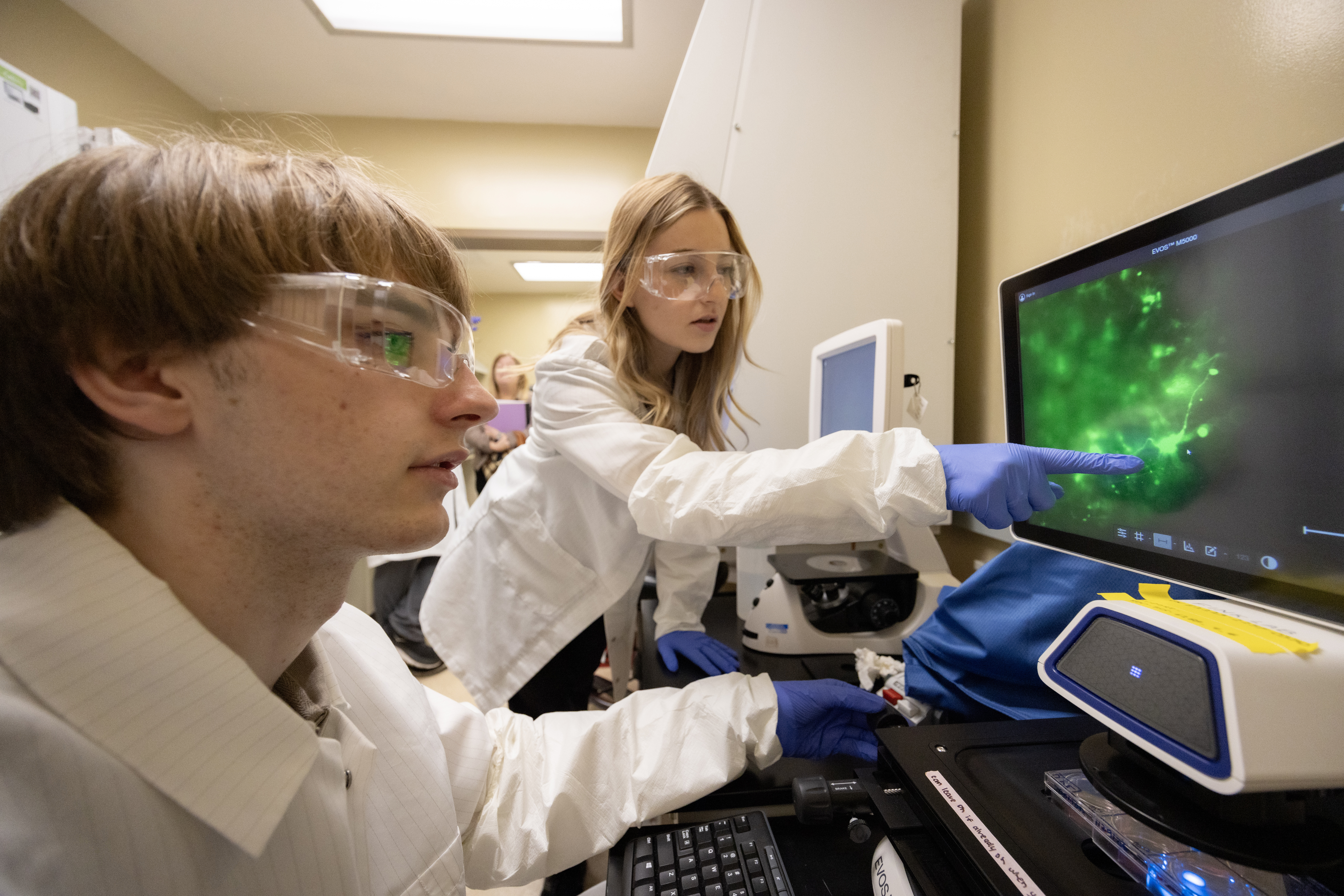
My research focuses on a deceptively simple question:How do mechanical forces such as stretch, pressure, and flow shape the developing intestine, and what happens when that sensing system breaks down?At the center of this work are mechanosensitive ion channels, such as Piezo1, which convert physical forces into the electrical and calcium signals that drive coordinated contractions in intestinal smooth muscle.
Mechanical forces are not just bystanders; they actively drive intestinal maturation and motility. When force-sensing pathways are disrupted in experimental models, the bowel loses contractile strength and coordination. We have also identified intracellular pools of Piezo1, suggesting that mechanical forces can influence motility through multiple, layered mechanisms, offering new insights that we are now exploring at earlier stages of gut development.
Our long-term goal is to move beyond purely supportive care and toward therapies that actively support the intestine’s ability to sense and adapt. This future includes:
Precision feeding: Optimizing when and how we introduce feeds to align with the gut’s mechanosensitive developmental windows.
Active intervention: Identifying nutritional or pharmacologic approaches that enhance force-driven adaptation in fragile intestines.
Better metrics: Designing trials that use mechanobiology-informed endpoints rather than relying solely on subjective “tolerated/not tolerated” judgments.
For families, the hope is that a deeper understanding of intestinal mechanobiology will translate into fewer setbacks, meaning less time on IV nutrition, fewer procedures, and a smoother path to discharge. For our hospital community, this work represents an investment in the science behind every feeding plan, ensuring that care for babies with vulnerable intestines is guided not just by tradition, but by mechanism-based insight.
Yours in health,
Geoanna Marie S. Bautista, M.D. Assistant Professor of Pediatrics, Neonatology UC Davis Children’s Hospital