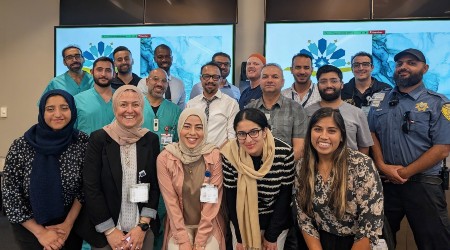
Insights shared by the Muslim Faculty and Staff employee resource group
(SACRAMENTO)
Ramadan begins on the first sighting of the crescent Moon, which is expected to occur in the U.S. at sundown on Tuesday, Feb. 17. The holy month will conclude on Wednesday, March 18, consisting of a celebration called Eid al-Fitr.
Significance of Ramadan, supporting Muslim colleagues
The purpose of Ramadan is to serve as a period of spiritual reflection, self-discipline, and increased devotion for Muslims. During this holy month, fasting from dawn to sunset is observed to cultivate empathy for those who face hunger and hardship, deepen one’s connection to faith, and encourage acts of compassion and charity. Ultimately, Ramadan is a time for mindfulness, self-improvement, and fostering a greater sense of community and understanding.
Members of theMuslim Faculty and Staff Association Employee Resource Groupreceived an invitation to participate in an anonymous survey regarding ways non-Muslim colleagues can provide support during Ramadan. Common themes shared by the respondents included prayer accommodation, flexibility with break times, understanding that energy levels may fluctuate throughout the day, and a willingness to be open and inclusive of all faiths recognized throughout the year.
How observing Ramadan influences one’s workday
Observing Ramadan involves fasting from dawn to sunset, which may affect energy levels differently. Some respondents mentioned feeling more focused when fasting whereas others mentioned feeling slightly tired later in the day.
One survey respondent wrote, “While observing Ramadan and fasting, it is natural to experience hunger, thirst and occasional fatigue during the workday. However, fasting also serves as an important reminder of the individuals and communities who face food, water, or housing insecurity daily. This experience fosters greater empathy and awareness, and it strengthens my motivation to support and give back to those in need. Overall, Ramadan is a period of reflection that encourages compassion, mindfulness, and a deeper understanding of the challenges others may face.”
Intermittent fasting – an eating plan that switches between fasting and eating on a regular schedule – is widely promoted for its potential health benefits. When it comes to Ramadan, however, some Muslim colleagues express feeling misunderstood or under scrutiny around fasting. Receiving criticism regarding personal life decisions can be an uncomfortable experience. Non-Muslim colleagues are encouraged to approach conversations about fasting during Ramadan with an open mind and compassionate heart.
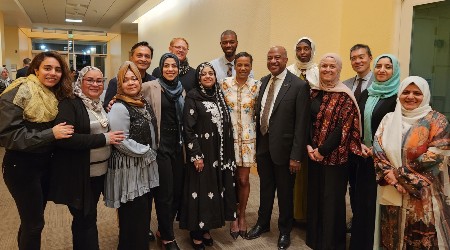
2025 intercampus Iftar
Creating a more inclusive environment for Muslim employees
When asked how organizations can foster greater awareness and respect for the diverse religious and cultural needs of all employees throughout the year, Muslim employees shared the following:
Safe, private, accessible prayer or meditation spaces during workday, especially for Ramadan.
Flexible breaks and schedules to support fasting and prayer, including adjusted lunch hours.
Increase awareness of Ramadan and Muslim practices through communications and educational events.
Host inclusive events like group Iftars and interfaith activities; recognize Muslim holidays equally.
Promote respect and open dialogue, ensuring all faiths are recognized and employees feel comfortable sharing needs.
One respondent concluded, “Creating spaces where employees feel comfortable sharing their perspectives and asking respectful questions, along with leadership modeling inclusive behavior, can further reinforce a culture of mutual respect and understanding.”
To learn more about the Muslim Faculty and Staff Employee Resource Group,visit their website.
Caring for the Muslim Patient during Ramadan Learn about caring for the Muslim patient and help understand your colleagues who may be participating. Learn the history of Ramadan. The event takes place on Feb. 17 from 4 p.m. to 5 p.m. Reserve your spot now.
Learn more about all our UC Davis Health Employee Resource Groups. These groups are open to anyone, regardless of background, who wishes to support, participate, or be educated in the many cultures and communities at UC Davis Health. Membership and participation in Employee Resource Group activities are not dependent on race, ethnicity, sex, gender, gender identity, religious affiliation, or any protected category under Title VII of the Civil Rights Act.