What Latinx identity means: LSFA members share reflections
By Carolyn Ramirez
Anonymous survey responses encourage curiosity, inclusion and respectful allyship
(SACRAMENTO)
National Hispanic Heritage Month is celebrated annually from Sept. 15 to Oct. 15 and recognizes the histories, cultures and contributions of people with roots in Spain, Mexico, Central and South America and the Caribbean.
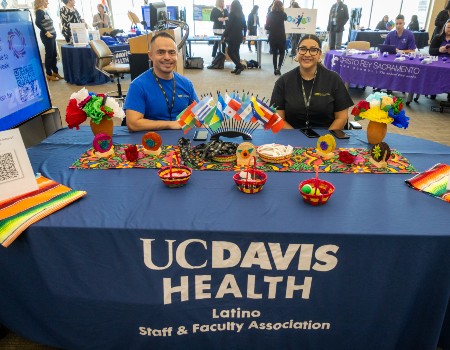
To gather reflections forHispanic Heritage Month, members of theLatinx Staff and Faculty Association (LSFA)employee resource group were invited to complete an anonymous Qualtrics survey about what they wish others, especially allies, understood about Latinx experiences and perspectives. “Latinx” is used as a gender-neutral option to Latina or Latino.
Seventeen LSFA ERG members responded to the survey, with many emphasizing the importance of family, community, resilience and cultural pride. Another takeaway was the importance of avoiding stereotypes, listening with curiosity and respecting individual stories.
Five themes emerged from the survey:
Latinx identity is diverse, not monolithic.
Family, community, tradition and hard work are deeply valued.
Stereotypes and assumptions need to be challenged.
Language does not define identity or belonging.
Respectful allyship begins with listening, curiosity and inclusion.
Latinx identity is diverse, not monolithic
Several LSFA ERG members emphasized that there is no single Latinx experience. The diversity of countries, traditions, skin colors, speech, family backgrounds, foods and more is vast.
One respondent said, “I think one of the biggest misconceptions is assuming that all Latinx people are the same. We don’t all have the same traditions, speak Spanish the same way, or have the same experiences. We come from many different backgrounds, and I think it is important to learn about those differences instead of making assumptions.”
Family, community, tradition and hard work are deeply valued
Many survey participants highlighted the importance of family, community, culture, resilience and hard work.
One of the respondents shared, “I wish people understood that our culture isn’t something we only celebrate during Hispanic Heritage Month. It is part of the way we were raised, the food we share, the traditions we continue, the way we support our families, and often the way we approach our work and relationships. Those experiences may not always be visible, but they are an important part of who we are.”
Stereotypes and assumptions need to be challenged
LSFA ERG members called attention to assumptions people make about language, appearance, immigration status, family, culture and professional roles.
One respondent said, “I wish others would take the time to understand our culture, traditions, and values. Family and community are very important to us, and I wish people knew more about where we come from and why our traditions mean so much to us.”
Another added, “One misconception I think is important to challenge is the idea that there is a single way to ‘look,’ speak, or behave if you are Latinx. Our backgrounds are incredibly diverse, and our experiences can vary based on where our families come from, where we grew up, the traditions we were raised with, and many other factors.”
Some Latinx people may feel like outsiders, even within their own community.
One participant shared, “As an Afro Latina, it has been challenging to be seen as Latina. I feel out of place in many Latinx spaces, especially in this area, as I don’t fit the mold of what a typical Latino looks like.”
Language does not define identity or belonging
Speaking Spanish fluently, having an accent or using English does not determine someone’s authenticity, intelligence or professionalism.
One of the respondents said, “Latinx people are not a monolithic group. Speaking Spanish is not a requirement for being Latinx. Some people are bilingual, some primarily speak English, and others may speak Indigenous or other languages. Language does not determine someone’s identity.”
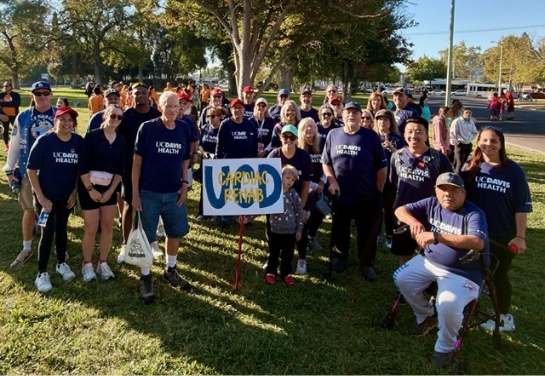
2024 Principles of Community Week
Respectful allyship begins with listening, curiosity and inclusion
Allies can support Latinx communities by asking thoughtful questions, respecting names and traditions and making space for individual stories.
One respondent shared, “Allies can support Latinx communities by listening, respecting different cultures and experiences, and avoiding stereotypes or assumptions. They can also help create welcoming spaces by celebrating diversity, speaking up against discrimination, and making sure everyone feels included and valued.”
Another added, “I think the most respectful conversations start with genuine curiosity, listening, and not making assumptions. Asking someone how they identify, what their experiences have been, or what their culture means to them gives that person the opportunity to tell their own story rather than having others define it for them.”
Coming from a place of curiosity goes a long way
Whether you identify as Latinx or not, approaching others with curiosity benefits everyone. Curiosity allows people to listen, learn and engage with a more open heart and mind.
One respondent pointed out, “There is a difference between being interested in someone’s experience and making them responsible for educating others. Ultimately, respect comes from approaching these conversations the same way we should approach any meaningful relationship, with curiosity, humility and an understanding that each person’s story is their own.”
Another added, “Being a good ally starts with listening, being curious and not making assumptions. Creating a welcoming space does not require knowing everything about Latinx cultures or having all the right words. It means being willing to learn about people as individuals, respecting differences and making sure people feel comfortable bringing their perspectives and experiences into the conversation.”
Learn more about UC Davis HealthEmployee Resource Groups. These groups are open to anyone, regardless of background, who wishes to support, participate in or learn from the many cultures and communities at UC Davis Health. Membership and participation in Employee Resource Group activities are not dependent on race, ethnicity, sex, gender, gender identity, religious affiliation or any protected category under Title VII of the Civil Rights Act.