

October 2026Investing in the Future of Cell and Gene Therapy
Investing in the Future of Cell and Gene Therapy
October 14 was Stem Cell Awareness Day, a chance to celebrate the remarkable progress being made in regenerative medicine and to look toward the future of health care. Few areas of biomedical research hold as much promise as cell and gene therapy. These innovative approaches are transforming how we think about treating disease, moving beyond managing symptoms to addressing underlying causes at the cellular and genetic level. From inherited disorders and cancer to neurodegenerative diseases, therapies once considered science fiction are increasingly becoming clinical realities.
Vice Dean for Research
2026 Research Rock Stars
The second annual Research Rock Star Awards were announced at the School of Medicine Research Celebration on October 13. These awardees are nominated by their peers for their excellence in excellence in the research mission across various domains, recognizing individuals who have demonstrated outstanding contributions and leadership in their respective fields.
-
Trainee Award
Yao Ke from the department of Pathology and Laboratory Medicine
-
Mentor Award
Daniel Herman from the department of Physical Medicine and Rehabilitation
-
Basic Science Award
Ching-Hsien Chen, professor in the department of Internal Medicine
-
Clinical or Translational Award
Maitreyee Wairagkar, project scientist from the department of Neurological Surgery
-
Population Community Research Award
Oanh Meyer, professor in the department of Neurology
-
Research Staff Award
Phu Huynh from the department of Radiology
-
Team Award
Wraparound Hospital-based Violence Intervention Program Research & Evaluation Team, led by Nicole Kravitz-Wirtz and Shani Buggs, both associate professors of emergency medicine
Research Administration
 (1).jpg)
Get to Know
Research Administration Training Certificate Program
School of Medicine Office of Research
Research Administration Training Certificate Program
Research Administrators are responsible for a broad range of activities, including proposal development, financial management, compliance, contract administration, reporting and supporting faculty throughout the life cycle of a sponsored project. Despite the importance of these functions, there has historically been no formal School of Medicine training program designed specifically for research administrators. To address this need, the School of Medicine Office of Research launched the inaugural School of Medicine Research Administration Training Certificate Program in January 2026.
The Research Administration unit developed this program to provide a comprehensive foundation in research administration and create a stronger network of support among research administrators throughout the School of Medicine.
The inaugural cohort included 19 participants representing a wide variety of departments, units and experience levels. Some participants were new to research administration while others brought decades of experience. This mix of experience created opportunities for mentoring, discussion and the sharing of best practices across departmental boundaries. Throughout the program, participants worked through case studies, group exercises, discussions and practical examples designed to reinforce concepts and encourage peer-to-peer learning.
The program concluded in May 2026 with a graduation celebration attended by School of Medicine leadership. Leadership support affirmed the critical role research administrators play in advancing the school’s research enterprise.
Based on the success of the inaugural cohort, applications opened up immediately for a second one, which is now in session.
The Research Administration Unit continues to refine and expand the program to strengthen research administration knowledge, promote consistent practices and build a collaborative community of research administration professionals.
Research Administration Unit
Christopher J. Wang, M.B.A., C.R.A.
Matt Nguyen
Debbie Lim
Tammi Olineka
Hue To
Alyssa Bunn
Tracy Huff
Oyunbold Jones
Feature
Training Tomorrow's Cell and Gene Therapy Leaders
From gene-editing technologies that target the root causes of disease to engineered cells that fight cancer, cell and gene therapies are reshaping the future of medicine. What once seemed like a distant possibility is increasingly becoming reality, offering new hope for patients with conditions that have long lacked effective treatments.
At UC Davis, researchers are helping lead this transformation while preparing the next generation of scientists, clinicians, and biotechnology professionals who will carry the field forward. In this effort, the university has a close partnership with the California Institute for Regenerative Medicine (CIRM), which has invested in both pioneering research and innovative workforce development programs that accelerate the translation of discoveries into therapies. Through the UC Davis Gene Therapy Program, directed by Jan A. Nolta, and CIRM-supported training initiatives, trainees can gain hands-on experience in regenerative medicine, stem cell science and gene therapy.
Addressing disease in fundamentally different ways
Cell and gene therapies aim to address disease in fundamentally different ways than traditional medicines. Instead of treating symptoms, these approaches seek to repair, replace or regulate the underlying biological mechanisms that cause disease.
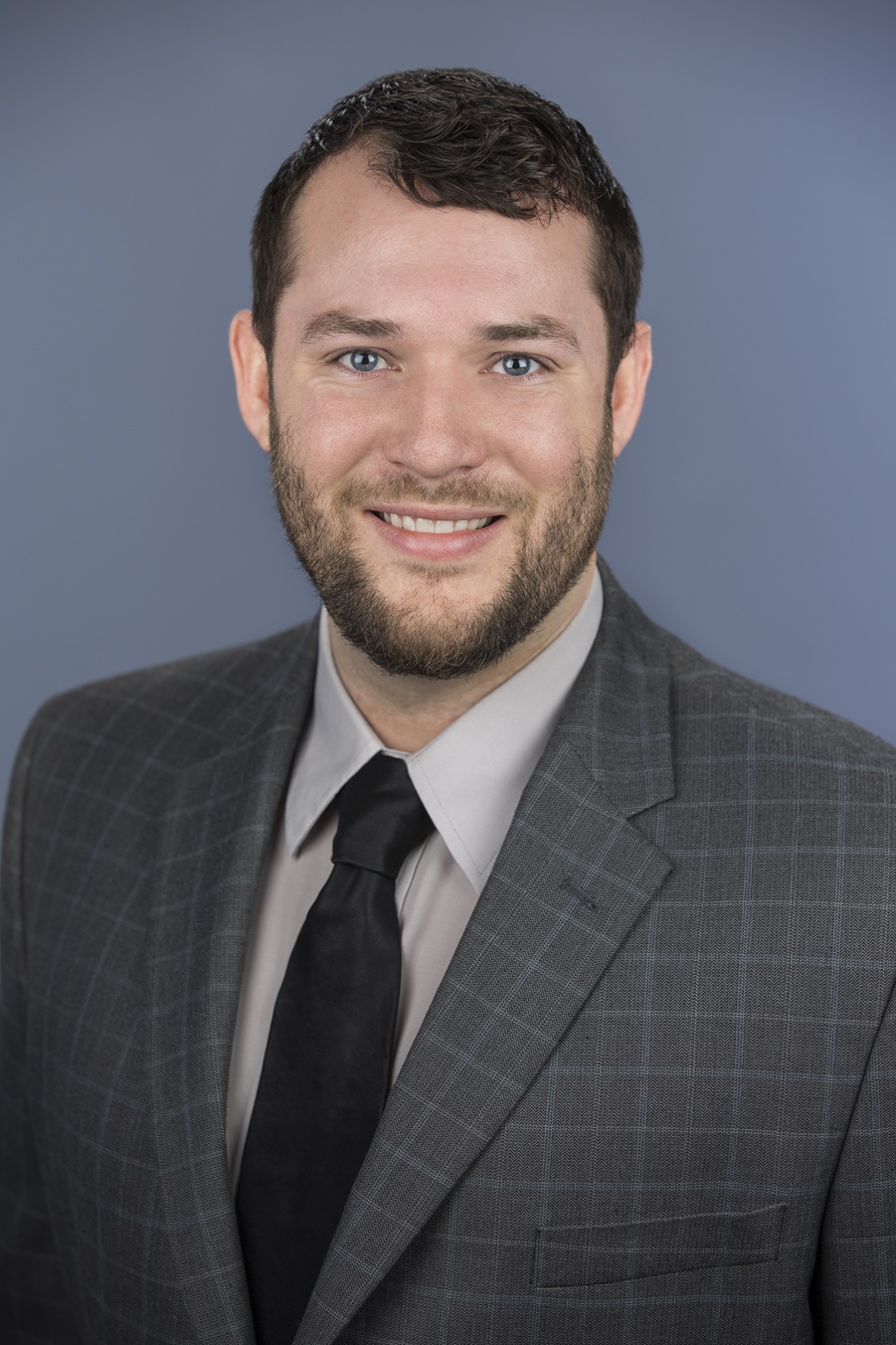
Among the UC Davis scientists advancing this work is Kyle Fink, associate professor of neurology and associate director of the School of Medicine Cell and Gene Therapy Center. Fink's research focuses on developing gene and epigenome editing therapies for rare neurodevelopmental and neurodegenerative disorders, including Huntington's disease, CDKL5 Deficiency Disorder, Rett Syndrome, Jordan’s Syndrome, and other genetic conditions that currently have limited treatment options. His laboratory combines CRISPR-based gene regulation, patient-derived cellular models and innovative therapeutic delivery approaches to develop potential treatments that could move from the laboratory to clinical testing.
Fink credits CIRM's various training programs, as well as its funding opportunities, for his lab's work and for the development of a strong workforce in the field. “CIRM has long supported the development of novel treatments using cell and gene therapy approaches and is the main reason I joined UC Davis over 13 years ago," Fink said. "CIRM has not only provided funding enabling my lab to advance innovative and hopefully impactful technologies but has helped staff my lab through the multiple training, internship, and fellowship opportunities. The trainees that have come from CIRM programs through my lab are now leading their own independent labs, serving as program managers for Rare disease organizations, working in industry, and are truly leading the next generation of medicines.”
Building the Workforce of the Future
Scientific breakthroughs alone are not enough to bring new therapies to patients. Developing cell and gene therapies requires experts in basic science, clinical research, manufacturing, quality control, regulatory science, ethics and patient care.
To meet that need, CIRM-developed training programs at UC Davis give students, postdoctoral scholars and physician-scientists hands-on experience in regenerative medicine and gene therapy. Training programs include the Bridges internship program and Solano COMPASS for undergraduate and graduate students in partnership with CSU Sacramento, Cal Poly Humboldt and Solano Community College (COMPASS). In these programs, the students take didactic coursework at their home institution and then come to UC Davis to learn benchwork, GMP manufacturing, and logistics.
Summer Program to Accelerate Regenerative Medicine Knowledge (SPARK) is designed for high school students. SPARK students spend a summer learning about stem cells and regenerative medicine and participate in a six-week paid research internship in a stem cell lab. At the end of their program, they present their research at the SPARK annual conference.
The EDUC4, CIRM's Scholar’s Program for Pre-Doctoral, Post-Doctoral, and Clinical Fellows provides trainees with interdisciplinary education, mentorship and research experience designed to prepare them for careers in academia, biotechnology and clinical translation. Nolta serves as principal investigator for the program.
“Having this program over the past decade has allowed us to train so many fabulous students who are the future of science and medicine in California and beyond,” said Nolta. “Not only are we training brilliant graduate students and postdoctoral fellows, but also innovative and ambitious M.D. fellows who are interested in administering these novel cell and gene therapies to their patients.”
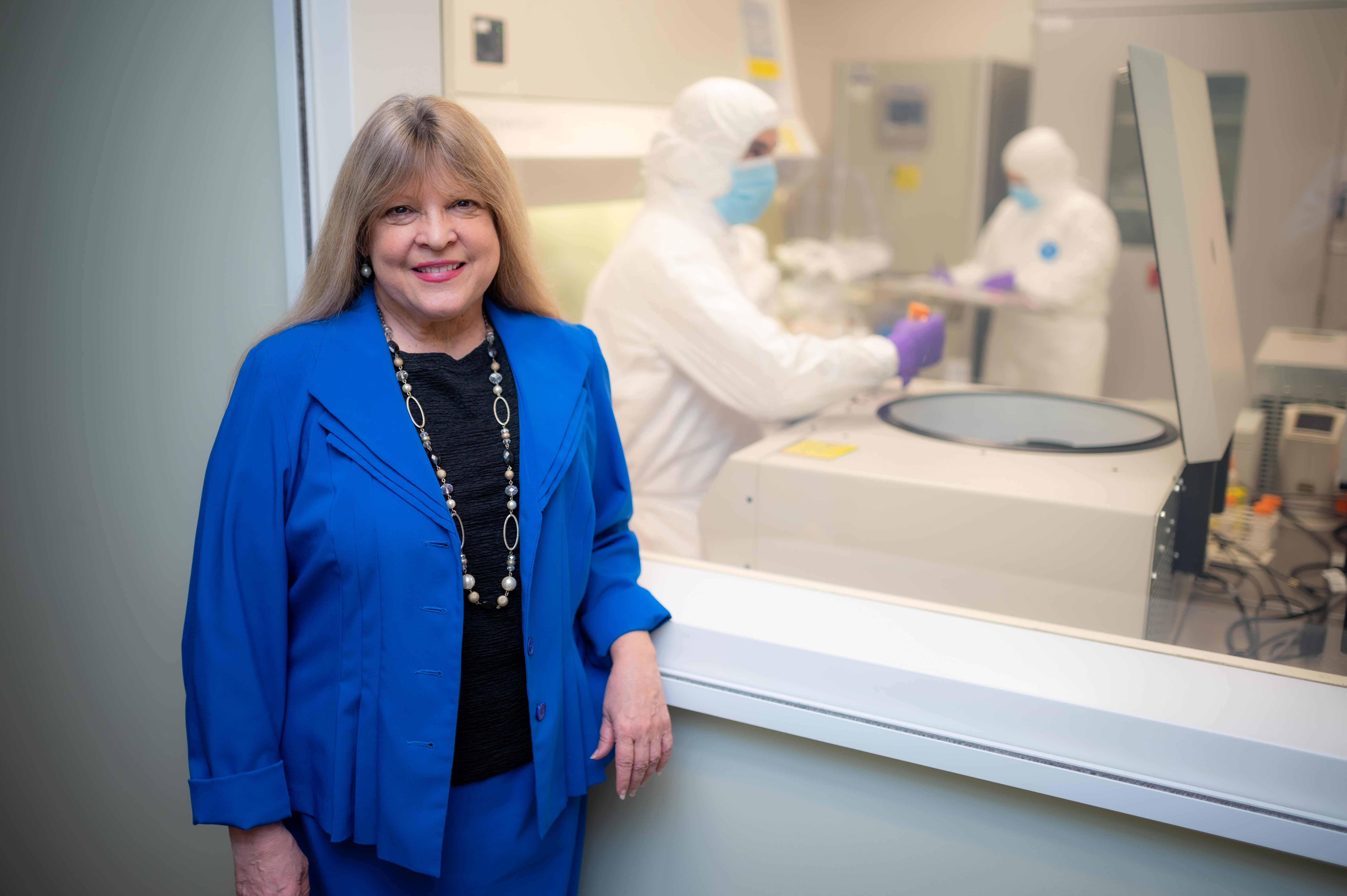
The program reflects a broader recognition that workforce development is essential to sustaining innovation. As therapies move closer to widespread clinical use, the demand for highly trained professionals continues to grow.
Looking Ahead
Advances in gene editing, cellular engineering, and regenerative medicine continue to expand the possibilities for treating diseases that were once considered untreatable.
At UC Davis, that future is being shaped not only by pioneering research but also by the people preparing to lead the field in the years ahead. Through investments in both discovery and workforce development, the university is helping ensure that the promise of cell and gene therapy reaches the patients who need it most.