The 2025-2026 report includes features on individual researchers, centers, research programs and a snapshot of the major funding and impactful research that defined the year of UC Davis School of Medicine research.

School of Medicine
Research Impact Report
2025-2026 Research Impact Report
Message from the Vice Dean for Research
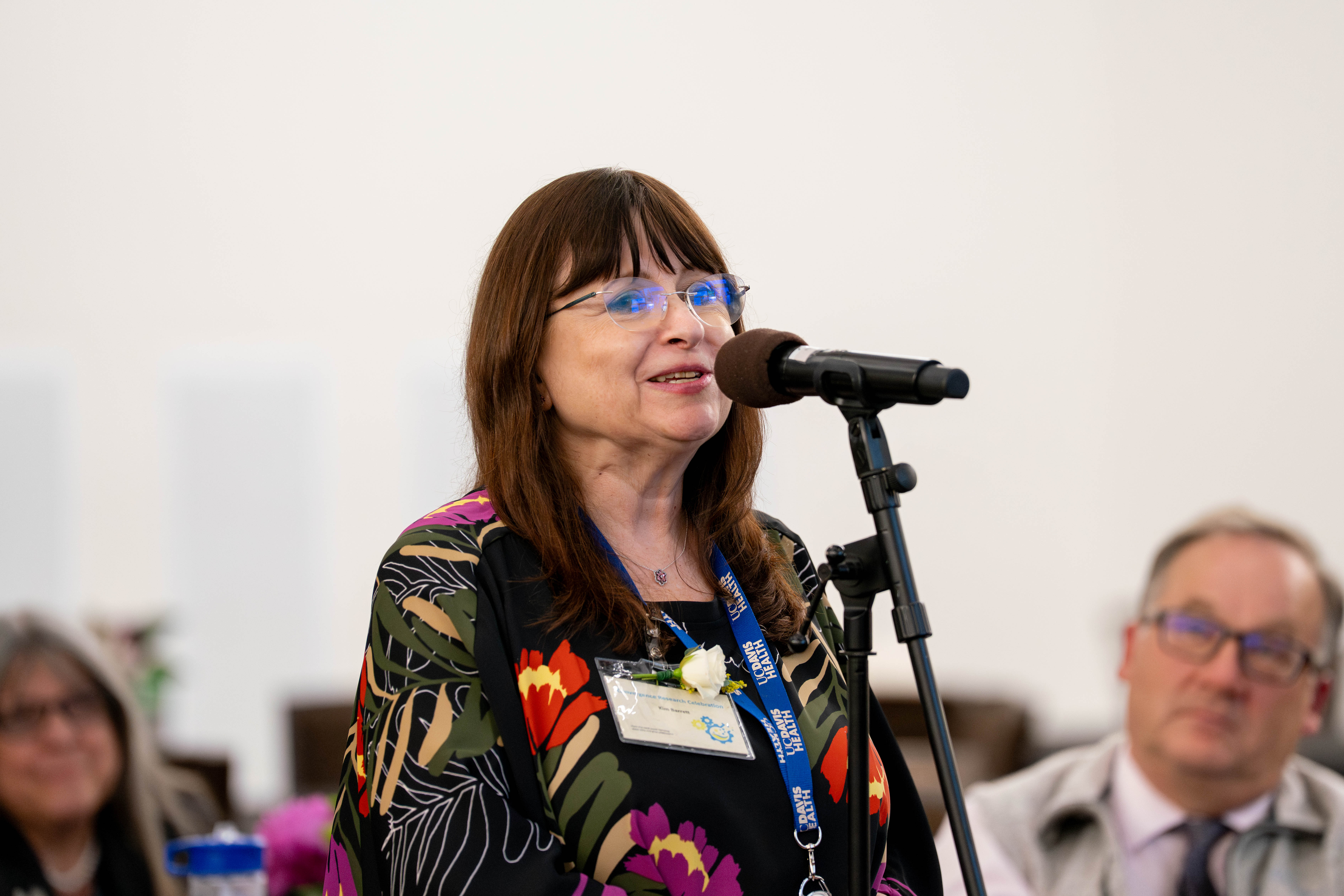
As I reflect on my five years serving as Vice Dean for Research at the UC Davis School of Medicine, I am filled with gratitude for what our community has achieved together. It has been an extraordinary period of growth for our research enterprise, marked by new collaborations, strategic investments, expanded opportunities for our investigators and a shared commitment to advancing discoveries that improve lives.
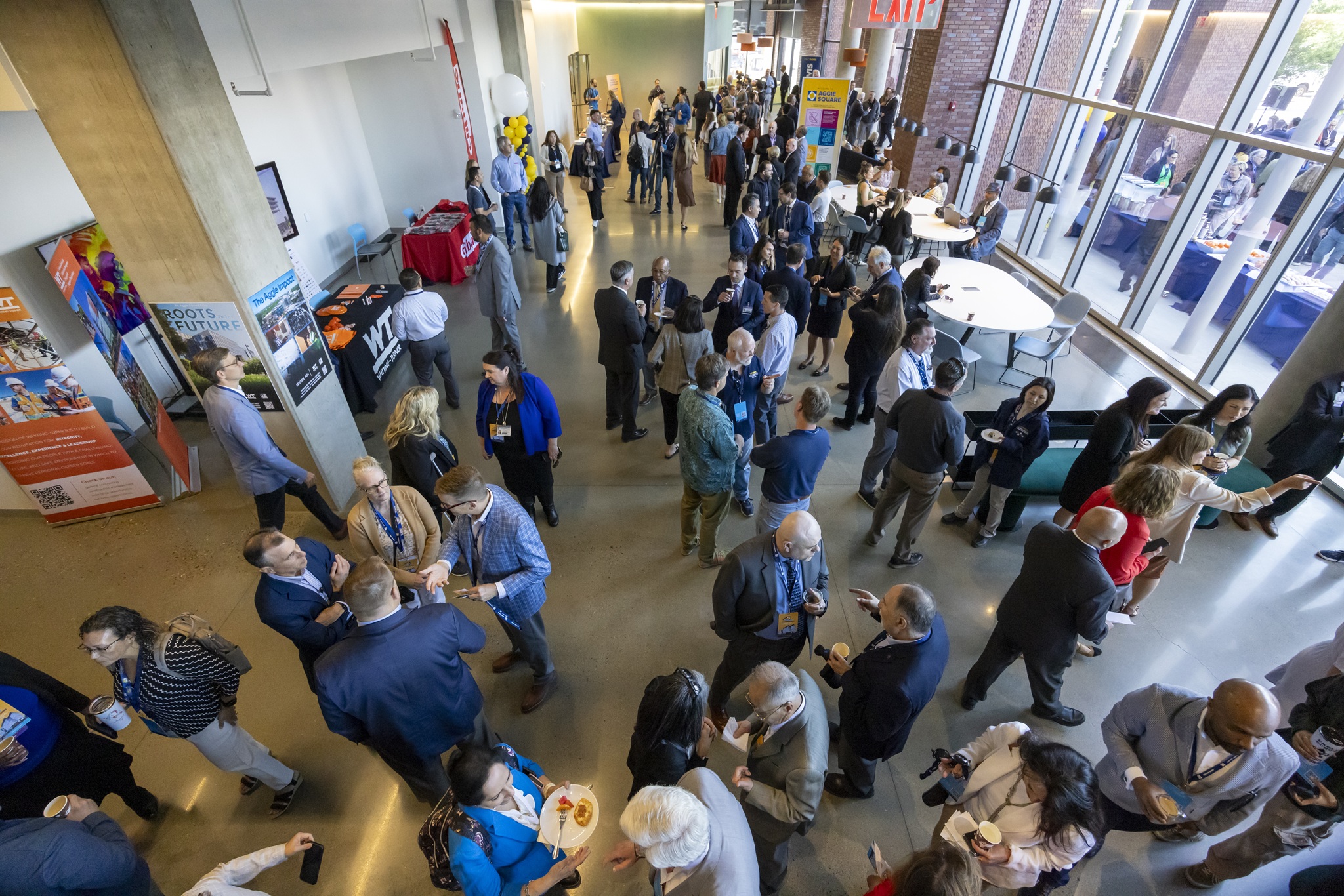
When I joined UC Davis in 2021, research activities and in-person engagement were just beginning to return to pre-pandemic levels. One of our early priorities was rebuilding opportunities for researchers to connect and collaborate. Scientific breakthroughs often begin with conversations, and we recognized the importance of creating spaces where ideas could be shared across disciplines. We relaunched the annual in-person School of Medicine Research Celebration and later expanded our efforts to include a targeted gathering with colleagues in the UC Davis Weill School of Veterinary Medicine as well as an annual event highlighting collaborative research across all UC Davis schools and colleges. These gatherings have helped to strengthen relationships and to encourage research partnerships “across the causeway.”
That spirit of connection has driven many of our accomplishments over the past five years. We have greatly expanded School of Medicine funding programs designed to support innovative ideas, encourage interdisciplinary team science and position investigators for success in securing larger extramural awards. By investing in collaborative research at its earliest stages, we have helped researchers build the teams and preliminary data needed to compete for major federal funding. These programs not only support individual projects but also strengthen the overall competitiveness and impact of our research enterprise. We have also emphasized the importance of growing the next generation of leaders in medical research from within. Our innovative KOHORT program, for example, equips senior postdoctoral fellows and early career faculty with the tools they need to apply successfully for career development awards from the NIH. As a result of this program, the number of these NIH K awards has increased by almost 60%, on average.
At the same time, we have worked to ensure that our infrastructure grows alongside our ambitions. This includes implementing a research space policy that promotes the strategic and equitable use of research facilities while supporting both established programs and emerging areas of scientific opportunity. Effective stewardship of our shared resources helps us create an environment where investigators can thrive and where investments are aligned with our institutional priorities.
Perhaps no development reflects our vision for the future better than Aggie Square. The groundbreaking ceremony for Aggie Square was held just a few months after I came to UC Davis and I was fortunate to be able to see this project through some of its most important formative stages. Aggie Square is creating new opportunities for collaboration among researchers, clinicians, students, industry partners, entrepreneurs and community organizations. It is a novel public-private partnership, coming at just the time when public institutions need to diversify their research collaborations.
Beyond these specific milestones, I am especially proud of the culture we have continued to build together. Our research enterprise has become increasingly collaborative, interdisciplinary and innovative. We have strengthened capabilities in areas such as data science, artificial intelligence, precision health and translational research while maintaining our commitment to scientific rigor and community engagement.
As we look ahead, I am more optimistic than ever about the future of research at UC Davis. Emerging technologies, new scientific approaches and expanding partnerships are creating opportunities that were difficult to imagine just a few years ago. We are well positioned to lead in this rapidly evolving landscape because of the foundation we have built together.
The discoveries of tomorrow will depend on collaboration, curiosity and a willingness to embrace new ideas. I am confident that our research community will continue to rise to that challenge, advancing knowledge and improving health for generations to come.
Kim E. Barrett, Ph.D., Vice Dean for Research
Distinguished Professor of Physiology and Membrane Biology