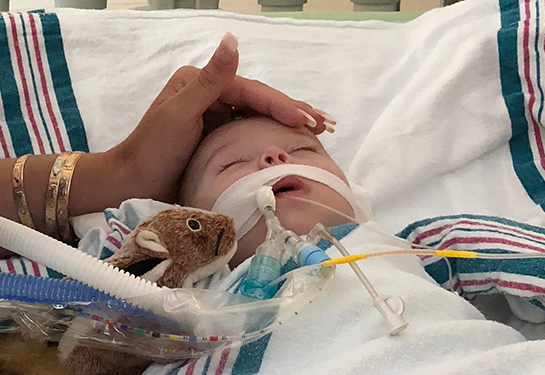
Pediatric Orthopedics
Children have unique needs when it comes to bone, joint and muscle problems. Our experienced pediatric orthopedic team specializes in diagnosing and treating the full range of musculoskeletal conditions in children.
Medically reviewed by R. Lor Randall, M.D. on Sep. 30, 2026.

Expert Care for Children’s Orthopedic Conditions
On this page
Our Difference
Nationally Recognized Care
When you come to UC Davis Health, you can be confident your child is in the hands of compassionate experts. U.S. News & World Report ranks our Pediatric Orthopedic Program among the top programs in the nation. We’re proud to partner with Shriners Children’s Northern California to provide specialized pediatric orthopedic care.
Comprehensive Treatment
Our multidisciplinary approach allows us to care for everything from minor injuries to bone tumors. We bring together pediatric orthopedic surgeons, physical therapists, sports medicine physicians and prosthetics specialists to focus on your child's specific needs. This close teamwork means your child receives seamless, coordinated care tailored to your child’s condition.
Specialized Expertise
Our physicians have completed years of specialized education and training in pediatric orthopedics. We also lead and participate in national research on the most promising innovative therapies for children’s musculoskeletal problems. We use this knowledge to improve your child’s care and deliver the best treatment.
Children’s Orthopedic Conditions We Treat
Many different conditions and injuries can affect children’s bones, joints and muscles. But unlike adults, children’s bodies are still developing. No matter what type of condition your child has, we want them to reach their full potential. That’s why we provide specialized care that considers your child’s needs — right now and as they grow.
Main Types of Pediatric Orthopedic Conditions
Bone Cysts
Bone cysts are benign (noncancerous), fluid-filled or blood-filled spaces within a bone. They can weaken the bone and increase the risk of a fracture. Depending on the type, location and size of the cyst, our specialists may recommend monitoring, injections or surgery.
Bone Tumors
Bone tumors are abnormal growths that may be benign (noncancerous) or malignant (cancerous). The most common pediatric bone cancers are osteosarcoma and Ewing sarcoma. We partner with our Pediatric Cancer Center to provide your child with individualized, integrated cancer care.
Congenital (Present at Birth) Conditions
Children can be born with limb or spine differences, such as clubfoot (foot twisted inward), leg length differences or scoliosis (curved spine). Some may be diagnosed at birth, but others may not be seen until later. Your child may benefit from monitoring (watchful waiting), physical therapy, assistive devices or surgery.
Injuries and Pediatric Sports Medicine
Many children experience fractures (broken bones), strains (torn or stretched muscles or tendons, which connect muscles to bones) or sprains (stretched or torn ligaments, which connect bones to each other). They may also develop overuse injuries like tendonitis (irritated or inflamed tendon) from repeated motions like throwing a ball. We ensure your child receives personalized care that fits their needs and activity level. Their customized treatment plan may include specialized exercises, physical therapy or surgery for severe or complex injuries.
Juvenile Arthritis
Childhood (juvenile) arthritis can interfere with your child’s growth and make it hard to do things they love. Our orthopedic team works with pediatric rheumatologists, who lead diagnosis and medication treatment, to address joint function, growth and mobility. Our treatments aim to control inflammation, relieve symptoms and help your child remain active. Some children achieve remission from juvenile arthritis.
Bone Infections and Osteomyelitis in Children
Osteomyelitis is an infection of the bone, usually caused by bacteria that reach the bone through the bloodstream. Bacteria may also enter through an open wound or after surgery. Our orthopedic specialists quickly evaluate your child’s needs and recommend a treatment plan, which may include antibiotics. Some children also need surgery to drain an abscess or remove infected or damaged tissue (debridement).
Causes of Orthopedic Conditions in Children
Pediatric orthopedic conditions can have many different causes. Some of the most common causes include:
Developmental Issues
Problems related to a child’s development, such as misalignment of bones or damage to cartilage near the end of a bone (growth plate), can result in orthopedic problems.
Inherited Connective Tissue Disorders
Genetic conditions, such as Ehlers-Danlos syndrome and Marfan syndrome, can affect your child’s connective tissues.
Injury or Accident
An injury while playing or participating in sports can lead to an orthopedic condition.
Neuromuscular Disease
Neuromuscular diseases, such as cerebral palsy or muscular dystrophy, can cause pediatric orthopedic issues.
Bone Growth Disorders
Conditions such as Blount’s disease (abnormal growth at the top of the shinbone) and rickets (soft or weak bones due to problems with bone mineralization) can affect bone growth and alignment.
Treatments for Orthopedic Conditions in Children
Our pediatric orthopedic specialists offer advanced treatment options to help keep your child moving.
Casting and Splinting
Our pediatric orthopedic specialists can place a cast or splint to help broken bones heal and treat conditions such as clubfoot.
Bracing and Orthotics
Braces and custom supports are used to improve alignment, stability and function, including bracing for scoliosis.
Physical and Occupational Therapy
Exercises and rehabilitation can be helpful treatment options to improve strength, flexibility and mobility and allow your child to return to daily activities.
Sports Injury Treatments
Our specialists in sports-related orthopedic injuries tailor treatment plans to include activity modification, rehabilitation and orthopedic surgery when needed. Treatment plans include guidance on returning your child safely to their sports.
Corrective and Reconstructive Surgery
Surgical treatment options can include treating limb differences, unequal leg lengths, hip disorders and spinal deformities.
Bone Cyst and Tumor Treatments
This treatment includes monitoring, injections or surgery, depending on the diagnosis. Our specialists collaborate on treatment plans for cancerous tumors with our pediatric oncology team.
Bone and Joint Infection Treatments
Antibiotics may be used to treat bone and joint infections. When needed, surgery can be an option to drain the infection or remove damaged tissue.
Prosthetics and Assistive Devices
Artificial limbs, walking aids and other equipment can be used to support your child’s mobility and independence.
"Common Musculoskeletal Tumors of Childhood and Adolescence," National Library of Medicine, https://www.ncbi.nlm.nih.gov/pmc/articles/PMC3538469/
Request an Appointment
As Sacramento's No. 1 hospital, you'll benefit from unique advantages in primary care and specialty care. This includes prevention, diagnosis and treatment options from experts in 150 specialties.
Referring Physicians
To refer a patient, submit an electronic referral form or call.
Patients
Call to make an appointment.
Consumer Resource Center
Awards and Recognitions
Ranked among the best in 6 specialties
A U.S. News & World Report best hospital in cancer care, cardiology, heart & vascular surgery, geriatrics, neurology & neurosurgery, orthopedics, and pulmonology & lung surgery.
Ranked among the nation’s best children’s hospitals
U.S. News & World Report ranked UC Davis Children’s Hospital among the best in pediatric nephrology, orthopedics*, and neonatology. (*Together with Shriners Children’s Northern California)
Ranked Sacramento’s #1 hospital
Ranked Sacramento’s #1 hospital by U.S. News, and recognized in 23 types of care including acute kidney failure, cancer care, cardiology, heart & vascular surgery, COPD, colon cancer surgery, diabetes, diabetes & endocrinology, ear, nose & throat surgery, gastroenterology & GI surgery, geriatrics, gynecological cancer surgery, heart arrhythmia, heart attack, heart failure, hip fracture, hip replacement, leukemia, lymphoma & myeloma, lung cancer surgery, neurology & neurosurgery, orthopedics, pneumonia, pulmonology & lung surgery and stroke.
The nation’s highest nursing honor
UC Davis Medical Center has received Magnet® recognition, the nation’s highest honor for nursing excellence.
World-class cancer care
One of ~59 U.S. cancer centers designated “comprehensive” by the National Cancer Institute.

A leader in health care equality
For the 13th consecutive year, UC Davis Medical Center has been recognized as an LGBTQ+ Healthcare Equality Leader by the educational arm of America’s largest civil rights organization.
Latest Children's Health News
-
OCTOBER 08, 2026
Understanding mental health in developmental disabilities
-
SEPTEMBER 15, 2026
UC Davis Children’s Hospital among nation's best
-
AUGUST 24, 2026
Autism Research Training program now accepting applications
-
AUGUST 10, 2026
Spanish conference aims to help families navigate services