Physical Therapy (PT)
Our therapists create personalized care plans designed to improve your mobility, strength, and flexibility. Learn how we can help you stay active, regain independence, and achieve your recovery goals.
Medically reviewed by Tonya Tocchini, DPT on Sep. 09, 2026.
Our Comprehensive Physical Therapy Services
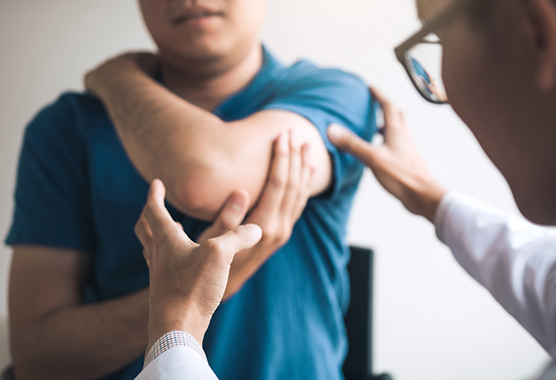
Recovering from an injury, serious illness, or medical treatment can affect your strength and mobility. Physical therapists work with you to create a personalized plan that supports safe recovery, improves movement and helps you regain independence. Physical therapy can also reduce pain and improve function for conditions such as arthritis, cancer, and back pain.
Our skilled physical therapists customize treatment plans to meet your unique needs and goals. We work with you and your caregivers to help you lead an active, engaged life.
The UC Davis Department of Physical Medicine and Rehabilitation (PM&R) offers outpatient physical therapy (PT) at convenient clinic locations. We also offer hospital-based PT services. You receive compassionate care that helps you get stronger and move better.
On this page
Types of Physical Therapy
Physical therapy can take place in a hospital or outpatient clinic. Outpatient clinics are medical facilities where you come for an appointment and receive treatment based on diagnosis and individual need.
Inpatient Physical Therapy
Inpatient PT occurs while you’re in the hospital recovering from an illness, injury or medical procedure. Our physical therapists help you do exercises so that you get stronger and more mobile. We can also help you learn to use walking aids and other devices.
Outpatient Physical Therapy
With outpatient physical therapy, you come to one of our clinics to receive care. Depending on your distinct diagnosis and needs, you may learn about and participate in exercises to improve strength and flexibility.
Specialized Physical Therapy
We have specialty PT programs focused on certain conditions, including pelvic floor disorders, brain injuries, lymphedema and limb loss.
Request an Appointment
As Sacramento's No. 1 hospital, you'll benefit from unique advantages in primary care and specialty care. This includes prevention, diagnosis and treatment options from experts in 150 specialties.
Referring Physicians
To refer a patient, submit an electronic referral form or call.
Patients
Call to make an appointment.
Consumer Resource Center
What to Expect
Your physical therapy experience is unique to your diagnosis, needs and goals. To start treatment, you’ll need a referral from your provider. You should also check with your health insurance about coverage.
-
Preparing for Physical Therapy
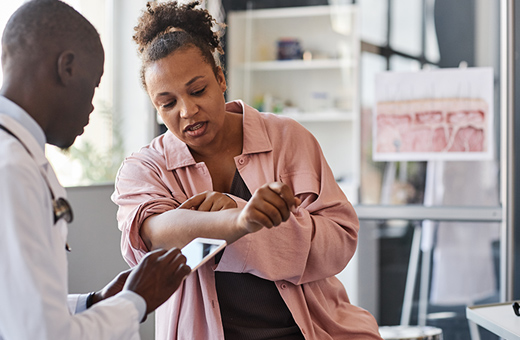
You’ll be moving and stretching during PT, so be sure to wear comfortable clothes and supportive shoes. You may want to bring a list of questions, as well as your treatment goals.
-
Starting Physical Therapy
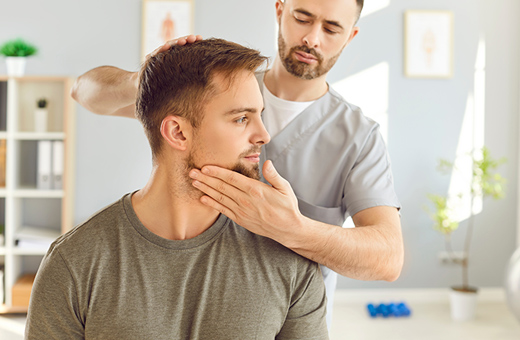
Your physical therapist will do some hands-on tests to assess your range of motion, flexibility and strength. They’ll ask about health conditions, surgeries and treatments, as well as your goals for PT.
-
During Physical Therapy
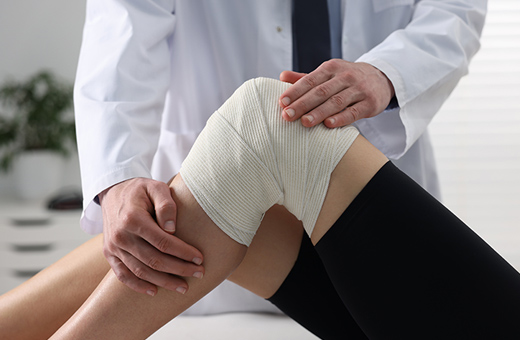
During physical therapy, you'll work closely with your therapist to perform guided exercises and complete activities independently under their supervision. Your therapist may also use hands-on techniques, such as range of motion, manual stretching and/or soft tissue mobility to help improve movement and reduce discomfort. Depending on your needs, your therapist may also use heat or ice to help ease discomfort and promote healing.
Home Care
Your physical therapist will explain what exercises to do at home, including how often. They can also provide guidance on other actions you can take to aid recovery.
Do Your Exercises
To make progress, you need to do your PT exercises at home as prescribed by your physical therapist. Your provider may recommend a specific PT-based smartphone app that has videos to guide you through each exercise.
Watch How You Move
Your physical therapist can help you modify certain movements to prevent further injury. Some people benefit from orthotics (bracing devices), walkers or other aids. Your physical therapist can help you get and safely use these tools.
Consider Occupational Therapy
Some people participating in PT can also benefit from occupational therapy (OT). It’s more common when you have certain health conditions. An occupational therapist can teach you techniques that help make daily tasks like getting dressed easier.
Awards and Recognitions

Ranked among the best in 6 specialties
A U.S. News & World Report best hospital in cancer care, cardiology, heart & vascular surgery, geriatrics, neurology & neurosurgery, orthopedics, and pulmonology & lung surgery.

Ranked among the nation’s best children’s hospitals
U.S. News & World Report ranked UC Davis Children’s Hospital among the best in pediatric nephrology, orthopedics*, and neonatology. (*Together with Shriners Children’s Northern California)

Ranked Sacramento’s #1 hospital
Ranked Sacramento’s #1 hospital by U.S. News, and recognized in 23 types of care including acute kidney failure, cancer care, cardiology, heart & vascular surgery, COPD, colon cancer surgery, diabetes, diabetes & endocrinology, ear, nose & throat surgery, gastroenterology & GI surgery, geriatrics, gynecological cancer surgery, heart arrhythmia, heart attack, heart failure, hip fracture, hip replacement, leukemia, lymphoma & myeloma, lung cancer surgery, neurology & neurosurgery, orthopedics, pneumonia, pulmonology & lung surgery and stroke.
The nation’s highest nursing honor
UC Davis Medical Center has received Magnet® recognition, the nation’s highest honor for nursing excellence.
World-class cancer care
One of ~59 U.S. cancer centers designated “comprehensive” by the National Cancer Institute.

A leader in health care equality
For the 13th consecutive year, UC Davis Medical Center has been recognized as an LGBTQ+ Healthcare Equality Leader by the educational arm of America’s largest civil rights organization.
Latest News