Occupational Therapy (OT)
We help you learn simpler ways to do daily tasks — sometimes with assistive devices — when you have a health condition or injury. We help you be as self-sufficient as possible.
Medically reviewed by Nicole Lee on Sep. 16, 2026.
Occupational Therapy for a Better Quality of Life
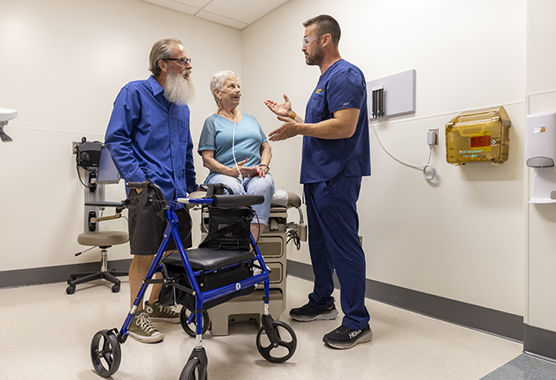
Certain health issues can affect your movements, balance, coordination, vision, hearing, thinking and energy levels. You may find it more difficult to dress yourself, brush your teeth, eat and use a phone or computer.
We know these changes can be challenging. But occupational therapy (OT) can help you function better in your day-to-day life.
Our occupational therapists help people who have:
- Chronic conditions like arthritis and cancer
- Developmental delays and intellectual impairments
- Mental or physical challenges
- Movement disorders
- Injuries and other sudden-onset (acute) ailments
- Post-surgical recovery needs
Occupational therapists at UC Davis Department of Physical Medicine and Rehabilitation (PM&R) offer personalized care plans with your distinct needs and goals in mind. We partner with you and your loved ones to help you safely engage in all life has to offer.
On this page
Types of Occupational Therapy Services
Occupational therapy can help you learn simpler, easier ways to do daily tasks after an injury, illness or surgery. We can also help you if you have an ongoing disability. The types of services you need are unique to you. Our team listens to you, developing a personalized care plan that helps you succeed in all aspects of life.
Aids for Daily Living
Occupational therapists know which tools will help you to function safely and independently. These tools may include grab bars in the bathroom or mobility aids like scooters. They can also help you adjust to orthotics (bracing devices).
Home and Work Assessments
An occupational therapist may come to your home or workplace to find ways to make tasks easier. They may recommend changing your desk setup, removing tripping hazards like rugs and clutter or labeling cabinets so you immediately know what’s inside.
Hospital-Based and Outpatient Occupational Therapy
We provide OT for hospitalized patients, as well as OT at outpatient clinics where you don’t stay overnight. An occupational therapist teaches you exercises to improve flexibility and mobility and ease pain and other symptoms. They help you learn techniques to simplify daily tasks.
Specialized Occupational Therapy
We have specialized occupational therapy services for patients who need help regaining control and function of their arms and hands. This type of OT can be especially helpful for patients recovering from brain injuries, burn injuries, limb loss and strokes.
Request an Appointment
As Sacramento's No. 1 hospital, you'll benefit from unique advantages in primary care and specialty care. This includes prevention, diagnosis and treatment options from experts in 150 specialties.
Referring Physicians
To refer a patient, submit an electronic referral form or call.
Patients
Call to make an appointment.
Consumer Resource Center
What to Expect
You receive a personalized occupational therapy care plan tailored to your distinct needs. You will need a referral from a doctor before beginning treatment. It’s always a good idea to check with your health insurer about coverage.
-

Preparing for Occupational Therapy
Wear clothes you can move around in easily. Also, wear comfortable, supportive shoes to make it easier to move and stretch during your OT session. We suggest you bring a list of questions and notes on what you want to achieve from OT.
-

Starting Occupational Therapy
At your initial visit, your occupational therapist will review your medical history and learn more about your treatment goals. They may also ask your loved ones or caregiver for input. Your provider will evaluate your ability to do certain daily tasks, such as hold a pen, button a shirt or use a phone.
-
During Occupational Therapy
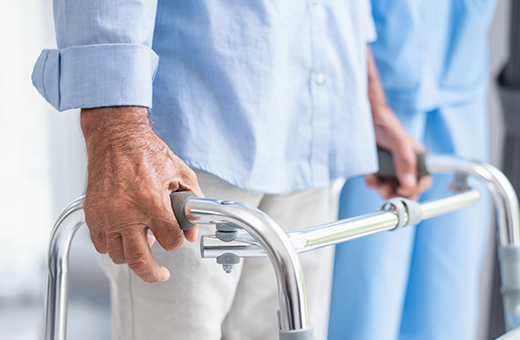
OT sessions focus on helping you use new techniques to complete daily tasks. You may also learn exercises to improve coordination, flexibility and strength. You may do different activities at each session, depending on your personalized care plan and goals. Your provider will regularly check your progress, making changes as needed.
Home Care
Your occupational therapist will guide you through exercises you can do at home. They may also recommend changes to your home that can make your life easier.
Practice at Home
It takes time to confidently use a new technique or tool to do a task that may once have come naturally. You need to practice each day and perform exercises as prescribed by your provider.
Talk to Your Provider
Some daily tasks can become more difficult as symptoms worsen. Let your occupational therapist know if you notice changes that they can help address.
Add Physical Therapy
Some people benefit from a combination of OT and physical therapy (PT). PT can improve how well you move your body, while OT helps you use those movements for daily living activities.
Awards and Recognitions
Ranked among the best in 6 specialties
A U.S. News & World Report best hospital in cancer care, cardiology, heart & vascular surgery, geriatrics, neurology & neurosurgery, orthopedics, and pulmonology & lung surgery.
Ranked among the nation’s best children’s hospitals
U.S. News & World Report ranked UC Davis Children’s Hospital among the best in pediatric nephrology, orthopedics*, and neonatology. (*Together with Shriners Children’s Northern California)
Ranked Sacramento’s #1 hospital
Ranked Sacramento’s #1 hospital by U.S. News, and recognized in 23 types of care including acute kidney failure, cancer care, cardiology, heart & vascular surgery, COPD, colon cancer surgery, diabetes, diabetes & endocrinology, ear, nose & throat surgery, gastroenterology & GI surgery, geriatrics, gynecological cancer surgery, heart arrhythmia, heart attack, heart failure, hip fracture, hip replacement, leukemia, lymphoma & myeloma, lung cancer surgery, neurology & neurosurgery, orthopedics, pneumonia, pulmonology & lung surgery and stroke.
The nation’s highest nursing honor
UC Davis Medical Center has received Magnet® recognition, the nation’s highest honor for nursing excellence.
World-class cancer care
One of ~59 U.S. cancer centers designated “comprehensive” by the National Cancer Institute.

A leader in health care equality
For the 13th consecutive year, UC Davis Medical Center has been recognized as an LGBTQ+ Healthcare Equality Leader by the educational arm of America’s largest civil rights organization.
Latest News