Falcons, nurses and newsrooms: 3 employees reflect on their careers at UC Davis Health
(SACRAMENTO)
The start of July every year means saying goodbye to numerous UC Davis Health employees entering retirement.
This year, 85 employees at UC Davis Health – and 140 university-wide – retired from roles that spanned patient care, education, administration, and research. The average retiring employee spent 15.5 years helping UC Davis fulfill its mission.
Below, several longtime employees reflect on what they’ve learned and what they’re looking forward to next.
Stephanie Winn
Senior Public Information Officer, UC Davis Comprehensive Cancer Center
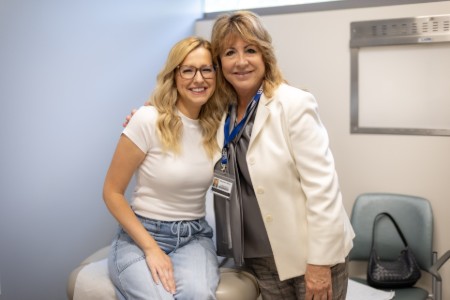
Stephanie Winn, right, with clinical trial participant Jamie Lynne Tarailo
Can you share a little about your background and how you came to UC Davis Health?
Joining UC Davis Health felt like coming full circle in my career. I started in television news covering medical stories, including many of the breakthrough cancer treatments emerging in the late 1980s. After that, I spent 25 years in public relations in the energy industry.
My passion for healthcare was reignited after I lost my father to cancer and my mother to lung disease. I joined the policy arm of the American Cancer Society, where I worked to advance tobacco taxes and flavored tobacco bans. It was incredibly meaningful work, but when the opportunity to lead public relations for the UC Davis Comprehensive Cancer Center came along, I jumped at the chance.
What stood out to you when you first arrived at UC Davis Health?
UC Davis has always felt like part of my life. I grew up in the East Bay, and my friends and I rode horses. Many of our horses came to UC Davis for life-saving veterinary care.
When I was young, I wanted to become a veterinarian, but I didn't know any female veterinarians. Instead, I watched women breaking barriers in television news, so that's the direction my career took. Today, seeing so many women leading as veterinarians, physicians and researchers at UC Davis makes me incredibly proud to be part of this institution.
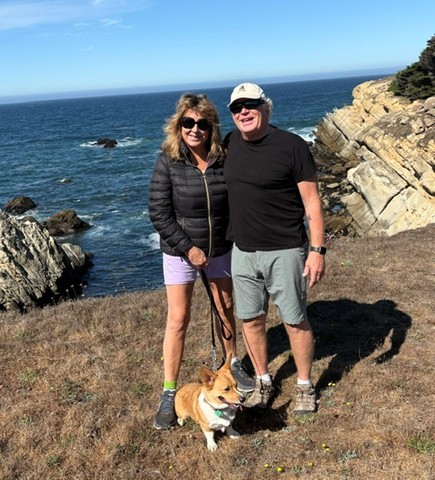
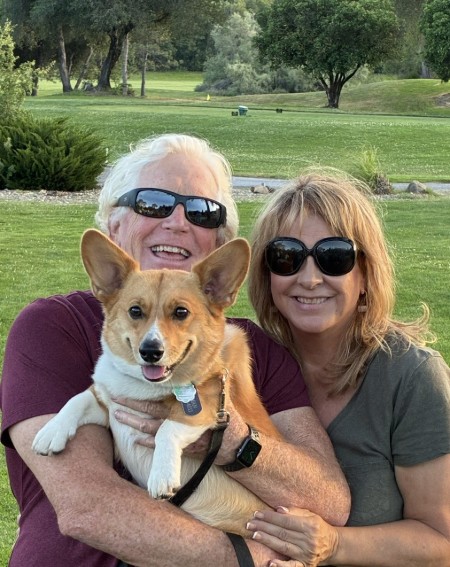
Stephanie Winn with her partner, Jim, and their corgi, Truman
Looking back, what moments are you most proud of?
The experiences that touched me most were meeting and learning from patients participating in cancer clinical trials.
Many came to us after being told they had no other treatment options. Despite everything they were facing, they showed incredible courage, resilience and hope. They were willing to participate in research not only for themselves, but to help future patients. Being trusted to tell their stories has been one of the greatest privileges of my career.
What kept you motivated throughout your time here?
Our Public Affairs and Marketing team.
I truly believe my colleagues are among the best communicators in the industry. They're compassionate, creative and always looking for new ways to engage both employees and our community. Working alongside people who genuinely care about the mission has been inspiring every day.
How have you seen UC Davis Health evolve?
The word that comes to mind is unwavering.
Even during times of uncertainty – whether facing funding challenges or broader changes in healthcare – this organization has remained committed to its mission. That consistency has always impressed me.
What will you miss the most?
Without question, the people.
I have tremendous admiration for our physicians, nurses and researchers, especially those in oncology. They are among the most compassionate and dedicated people I've ever had the privilege to know.
What are you looking forward to in retirement?
I'm looking forward to slowing down a bit and finding new ways to contribute to the greater good. My partner, Jim, our corgi Truman and I are excited to travel in our RV, spend more time with family and enjoy this next chapter together.
Jan Shepard
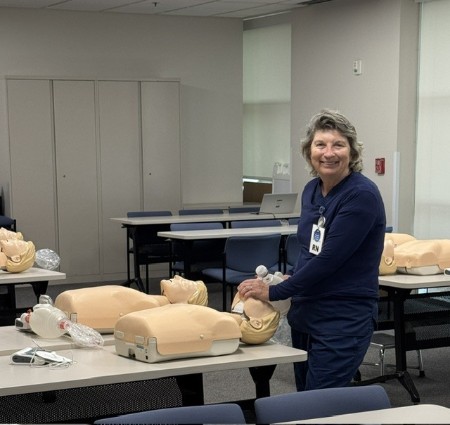
Registered Nurse, Clinical Practice and Professional Nursing (CPPN)
Tell us about your path to nursing and UC Davis Health.
My path to nursing actually started with my mom. I was working at Nordstrom and trying to figure out what I wanted to do. I thought about becoming a respiratory therapist, but my mom – who was a nurse – said, "Just become a nurse. There are so many more opportunities." She was right.
I went back to school at San Jose State and eventually moved to Sacramento when my husband transferred here for work. UC Davis Medical Center was hiring, and it turned out to be one of the best decisions I've ever made.
How did your career evolve over the years?
I started on East 4 in acute care before moving into the Neurosurgical ICU, where I spent 17 years. I absolutely fell in love with neurosurgery and especially enjoyed working with patients recovering from serious brain injuries and supporting their families.
Eventually, I participated in the Bridges to Excellence program, which allowed me to explore another department. I spent a day in Quality and Safety and realized I loved project work and process improvement. That eventually led me into quality, compliance, and later, nursing professional development.
One of the things I love most about UC Davis Health is that there are always opportunities to grow and try something new.
What accomplishments stand out when you reflect on your career?
I'm proud of earning my certifications, completing my master's degree and presenting at conferences, but I'm also proud of some of the smaller things.
I started a multidisciplinary journal club because I thought nurses should have the same opportunities physicians had to discuss research together. We brought together nurses, physicians, therapists and others to learn from one another. It became something people genuinely enjoyed.
Looking back, I actually wish I'd gotten involved even earlier. The opportunities were always there, but years ago they weren't as easy to discover as they are today.
What has made UC Davis Health special?
The culture.
In more than 30 years here, I've met very few people who weren't kind. This organization has always been welcoming to people who are learning, growing and trying new things.
Because we're constantly teaching nursing students, residents and new employees, people naturally give each other grace. I hope that culture never changes.
How has healthcare changed during your career?
Healthcare is so much safer today. When I first started, there were far fewer standardized processes. Today we have better technology, better medication safety and far fewer infections than we used to.
Every advancement comes with tradeoffs, but I think AI and new technologies will continue making care even safer while hopefully giving clinicians more time to focus on patients instead of repetitive documentation.
What advice would you give employees who feel stuck in their careers?
Don't be afraid to try something different. If you're feeling burned out, it's okay to admit it. Figure out what excites you and look for opportunities elsewhere in the organization. Programs like Bridges to Excellence let you explore different careers without leaving UC Davis Health.
There are so many paths here that you don't have to stay somewhere that no longer brings you joy.
What will you miss most?
My colleagues. I'm not a particularly social person outside of work, so I'll miss seeing everyone every day and those little conversations that become part of your routine.
What's next?
Retirement won't be completely quiet.
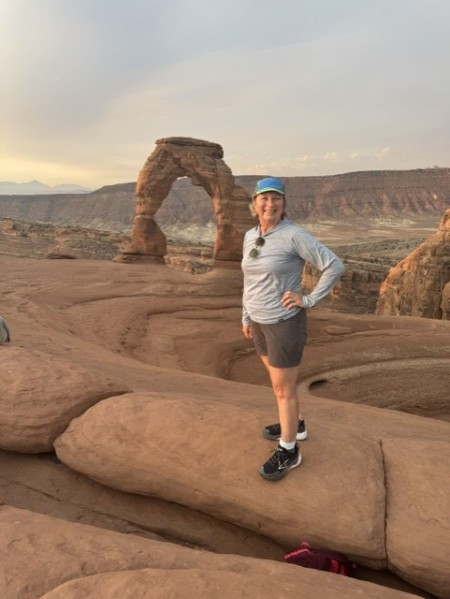
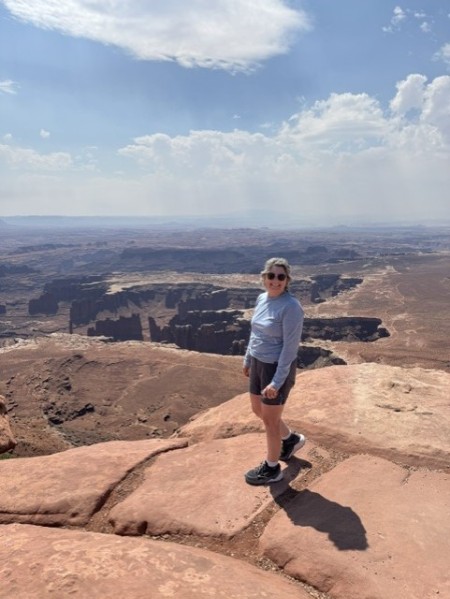
I'll be teaching skills at the Betty Irene Moore School of Nursing, volunteering with the Nobody Dies Alone program, hiking, exercising, traveling and finally tackling some projects around the house. I may be retiring from UC Davis Health, but I'm not ready to stop working – or learning.
Bill Corbett
Procurement Supervisor
Tell us a little about your background and how you came to UC Davis Health.
Before coming to UC Davis Health, I spent 24 years in the printing industry. When the family-owned company I worked for announced it was being sold, I realized I'd either have to move to the Bay Area or find something local. Around that time, UC Davis was hiring. I didn't know anyone here, but I decided to take a chance.
I joined the Purchasing Department as a Buyer III about 19 years ago, and it's been a great place to build a career.
How did your role change over the years?
When I started, I focused on purchasing equipment and supplies. A couple of years later, I became a procurement supervisor and managed a team of about 12 people.
Eventually, I transitioned into a role where I could continue supervising procurement work without managing direct reports. It was a great fit because I was able to focus on what I enjoy most – working with departments, solving problems and helping people get what they need.
A lot of people think procurement is just ordering things, but it's really customer service. Every day brings a different challenge. Vendors don't have something, a department has an urgent need or there's a problem that has to be solved quickly. No two days are exactly alike.
What has kept you here for nearly two decades?
The work has always been interesting.
Sometimes it can feel like there's too much going on, but I'd rather be overstimulated than bored. I like the fast pace and the constant problem solving. At the end of the day, you can look back and say, "I helped someone. I solved that issue. I got that equipment where it needed to go."
I've also worked with a lot of great people over the years. It's been rewarding to build those relationships and help others succeed.
Many employees know you as the person behind the peregrine falcons. How did that begin?
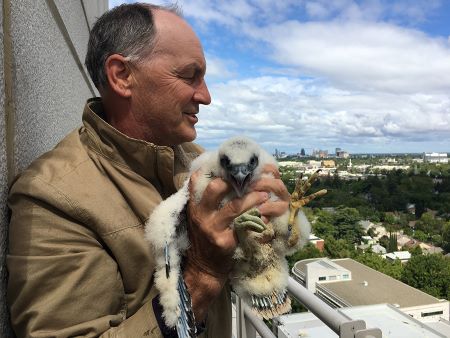
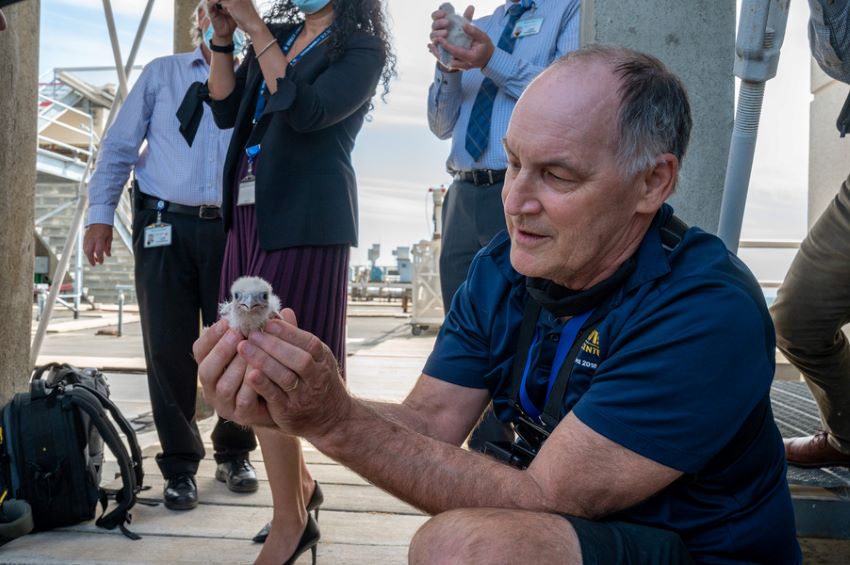
I've been a falconer ever since I was a student at UC Davis more than 40 years ago. About a decade ago, I noticed a peregrine falcon flying around the hospital and realized they were trying to nest on the roof.
The first nest wasn't very successful, so I worked with Facilities to build a nesting box. From there, it really took off.
It's been amazing to watch employees become so invested in the falcons over the years. There have been incredible moments watching chicks hatch and fledge, and there have also been heartbreaking moments when things don't go as planned. Nature can be tough.
I probably get more emotionally attached than I should, but I feel like we've given those birds a chance. It's been something really special to be part of.
What advice would you give to someone just starting their career?
Be curious and keep learning.
Don't just process paperwork or do the minimum. Learn everything you can about your job and about the people around you. Take advantage of training opportunities, attend seminars and get involved. The more engaged you are, the more opportunities you'll create for yourself.
I've always believed that the harder you work, the luckier you get.
Just as importantly, learn how to work with people. Every job is customer service in one way or another. I'd rather work with someone who's kind and dependable than someone who's brilliant but impossible to be around.
What will you miss most about UC Davis Health?
I've made some really close friends here, and that's what I'll miss the most. You can always stay in touch after retirement, but work naturally brings people together every day, and that's hard to replace.
I've been fortunate to work alongside talented people across the organization, and I'll definitely miss those daily interactions.
What are you looking forward to in retirement?
I'm looking forward to having more time with my family and continuing the hobbies I've always enjoyed.
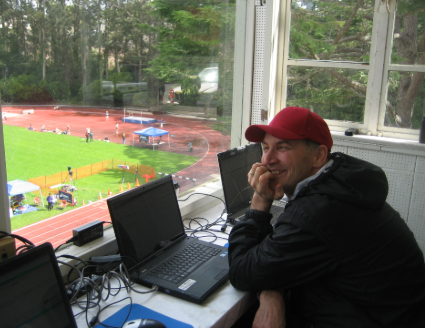
My wife and I plan to spend more time paddleboarding, and I'll keep up with my volunteer work where I help provide electronic timing for track meets. We'll also be making more trips to visit our daughter in Colorado.
One thing I've learned is that no one wishes they'd worked more when they look back on life. If an opportunity comes along to spend time with family, take a trip or try something new, my advice is simple: go for it.