

Massie Family Clinic
Clinics and Programs
Diagnostic Services and Therapy Programs

The Massie Family Clinic supports families at every stage, from obtaining an early diagnosis to connecting children with effective therapies and treatment.
Ongoing care and guidance are also provided as individuals grow and transition into adolescence and adulthood.
Clinical and Diagnostic Services
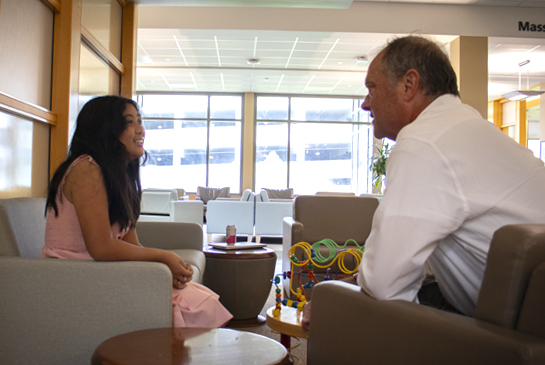
We provide care for people with many different developmental conditions, including autism, intellectual disabilities, fragile X syndrome, 22q11.2 deletion syndrome, Down syndrome, fetal alcohol syndrome, complex ADHD, and anxiety.
At the MIND Institute, our care is based on research that shows what works. Our team includes developmental-behavioral doctors, psychologists, social workers, and other specialists. We do assessments, give treatment recommendations, and help manage ongoing care.
We also have specialists who work with very young children, children with feeding problems, teens and young adults transitioning to adult care, Spanish-speaking patients, and a comprehensive genomic medicine program for children and adults.
A referral through the Physician Referral Center is required before scheduling an appointment at the MIND Institute.
The Child Development Clinic is led by developmental and behavioral pediatricians and child psychologists that provide assessments and ongoing management for children and adolescents with neurodevelopmental disabilities. The clinic provides interdisciplinary diagnostic evaluations, intervention recommendations, and ongoing management for children referred for autism, developmental delay, intellectual disability, fetal alcohol syndrome, fragile X syndrome, 22q11.2 deletion syndrome, complex ADHD, anxiety disorders and many other neurodevelopmental conditions.
The Baby Steps Clinic, also known as the High-Risk Infant Follow-Up (HRIF) Clinic, is a specialized program that monitors infants from birth to age 3 who previously required care in Neonatal Intensive Care Units. This clinic provides extra care for babies who may be at a higher risk for developmental delays, ensuring they receive the support and early interventions they need to thrive.
The BRIDGE Clinic provides early, specialized assessments to help families understand their child’s needs and access appropriate support. This clinic is for children 15–42 months old whose caregivers have observed possible signs of autism or whose primary care screening raised concerns about autism. Bridge offers comprehensive developmental testing and medical evaluations in a 2–3 hour appointment. Our multidisciplinary team includes a social worker, who gathers information about caregiver goals/priorities and the child’s development, a psychologist who assesses the child through structured play, and a developmental behavioral pediatrician who evaluates any medical concerns.
The Transition to Adulthood Clinic helps youth with neurodevelopmental disabilities between the ages 16 to 26 get the support they need as they transition to adulthood. The clinic works together with the MIND Institute's doctors and staff to support young people and their families during their transition from pediatric to adult healthcare. They also connect families with community organizations and services that can provide additional support. The clinic staff will talk about common things that young people with neurodevelopmental disabilities often need when they become adults, like finding a place to live, making decisions and exploring educational and job opportunities.
Feeding Disorders
The Feeding Recovery Clinic is an interdisciplinary clinic that provides evaluation and ongoing care for infants and young children with clinically significant feeding conditions. Many children cared for in feeding recovery clinic present with co-occurring neurodevelopmental conditions such as autism, neuromuscular conditions, Down Syndrome and complex neurogenetic conditions. The multidisciplinary team includes a speech therapist with expertise in feeding therapy, a pediatric dietitian and a developmental behavioral pediatrician. Children with primary concerns for Avoidant/Restrictive Food Intake Disorder should be referred to Adolescent Medicine of child psychiatry.
Fragile X
The Fragile X Clinic sees any patient with a premutation or a full mutation in the fragile X gene. This includes individuals with fragile X syndrome, and premutation carriers with FXTAS, FXPOI and/or FXAND. All ages are seen, and assessments include a medical evaluation and when needed psychological testing. In addition, clinical trials are carried out for those with fragile X syndrome.
The 22q Healthy Minds Clinic specializes in clinical assessments for individuals with 22q11.2 deletion syndrome (VCFS/DiGeorge syndrome). Our expert team includes a developmental pediatrician and a licensed clinical psychologist. Together, they provide comprehensive evaluations to support the unique developmental, cognitive, and medical needs of individuals with 22q11.2 deletion syndrome.
The Pediatric Evaluation for Alcohol-Related Syndrome (PEARS) Clinic provides assessments and support to children with prenatal alcohol exposure and their caregivers. This multidisciplinary clinic is led by a developmental and behavioral pediatrician, a child psychologist and licensed clinical social worker who have extensive experience in the evaluation and management of FASD. The PEARS Clinic provides diagnostic evaluations, education about FASD and information about community resources.
Care for Spanish Speaking Families
The CRECE Clinic is for Spanish speaking families in need of specialized developmental and behavioral pediatric care for children ages 0-12 years. CRECE (pronounced: kreh–seh) is a Spanish word for "growing" and the clinic focuses on families facing barriers accessing specialized care for their children by offering culturally sensitive care and help with accessing services and therapies. Care provided at the CRECE clinic is centered on the whole family and all visits are led by Spanish speaking bilingual and bicultural developmental behavioral pediatricians, licensed clinical social workers and family navigators.
Genomic Medicine Clinics
The goal of the Genomic Medicine Clinic at the UC Davis MIND Institute is to provide evaluation, diagnosis, management and genetic counseling for patients ranging from infancy into adulthood with suspected or confirmed genetic conditions. The team of expert providers offer a comprehensive range of genetic diagnostic tests to identify a genetic condition based on the patient’s presenting features.
Individual Therapies
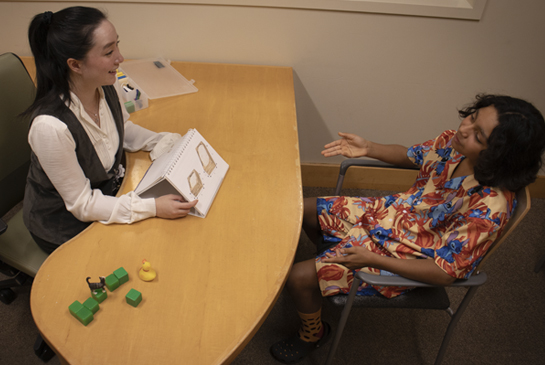
We offer individual therapy programs for children and teens up to age 18. These programs are based on research and use approaches that have been shown to help children and families. Our therapies focus on building practical skills to support emotional well-being, behavior, and family relationships.
Below are some of the therapies we offer, including cognitive behavioral therapy (CBT) for anxiety, trauma-focused therapy, parent-child therapy, and caregiver coaching to help parents support their child’s development, behavior regulation, and emotional growth.
A referral through the Physician Referral Center is required before scheduling an appointment at the MIND Institute.
Cognitive Behavioral Therapy (CBT) for Anxiety
CBT is a problem-solving, goal-directed, evidence-based therapy that focuses on the relationships between thoughts, feelings, and behaviors that are maintaining the excessive anxiety and preventing adaptive coping. 16-week program.
Targeted for: Youth experiencing anxiety, separation anxiety, panic, social anxiety, phobias, obsessive-compulsive disorder, obsessive hair pulling, chronic tic disorders.
Parent-Child Care
Parent Child Care or PC-CARE is a 7-week intervention designed to improve the quality of the caregiver-child relationship and to teach caregivers skills to help them manage their children’s challenging behaviors.
Targeted for: Children who present with disruptive, defiant, and/or aggressive behaviors, or experienced a traumatic event that is impacting behaviors/relationships or are adjusting to a new home (e.g., foster, reunification) or situation (e.g., parental separation, new sibling).
Trauma Focused Cognitive Behavioral Therapy (TF-CBT)
TF-CBT is a structured, short-term treatment model that improves a range of trauma-related outcomes by working with the child/adolescent and a caregiver. TF-CBT addresses the impacts of trauma including affective, cognitive, and behavioral problems.
Targeted for: Young patients who have experienced one or multiple identifiable trauma(s) including medical trauma, sexual abuse AND are experiencing impairment due to trauma-related distress/PTSD symptoms.
Caregiver Coaching
Coaching for parents and caregivers of young children with social communication challenges, such as autism, on supporting their child’s development of social communication, play, and imitation skills.
Group Therapy Programs

We offer a variety of group programs designed to support children, teens, young adults, and families as they navigate life together. These groups are all about building the practical, everyday skills that make a big difference, like feeling more confident in conversations, managing those 'big' anxious feelings, and getting a handle on organization and planning. Our goal is to help them feel more self-assured and better prepared for social situations, whether they’re at school, at work, or just out having fun with friends.
A referral through the Physician Referral Center is required before scheduling an appointment at the MIND Institute.
Social Skills Training Program
Our childhood social skills program is a 10-week group for neurodiverse children and adolescents ages 8 to 17. This program aims to support connection among neurodiverse youth while fostering skills to help navigate the challenges of peer social interaction. The curriculum focuses on personal growth and the development of key social skills, such as engaging in back-and-forth conversation, reading body language, perspective taking and identifying potential friendships. This comprehensive 10-week program includes a child/adolescent group along with a separate caregiver group which meet simultaneously on site. Sessions are led by a licensed clinical psychologist and psychology training team with assistance from MIND Institute staff and community volunteers.
Acquiring Career, Coping, Executive Function, and Social Skills
The ACCESS Program (Acquiring Career, Coping, Executive Function, and Social Skills) is a 20-week group program for neurodiverse adults. Participants and their chosen support partners, like a family member, friend, or support worker, meet weekly to improve life skills, social abilities, career planning, and navigating college or work. The goal is to help neurodiverse adults to engage more in social events, work, education, and community activities. Sessions are led by a licensed clinical psychologist, with assistance from MIND Institute staff and community volunteers. The program offers both online and in-person options for flexibility.
Group Therapy For Anxiety - Facing Your Fears Curriculum
14-week anxiety therapy group utilizing the Facing Your Fears program, a group CBT intervention for children aged 8-14 with anxiety and their caregivers.
ADHD Parent Group
The ADHD (attention-deficit/hyperactivity disorder) Parent Group: The goals of the ADHD parent groups include increased understanding of ADHD, improved parent-child interaction, creating a more structured and predictable home environment, and better home-school coordination.
Executive Function for School Success
10-week program for youth (ages 12-15) with ADHD symptoms who have difficulty with homework completion, organization, and planning. Participants learn organization, time management, planning and advocacy skills. Parent participate and learn to coach their child through some of these skills.
Helpful Information