Pharmacy Residency Programs
PGY-2 Cardiology Pharmacy Residency
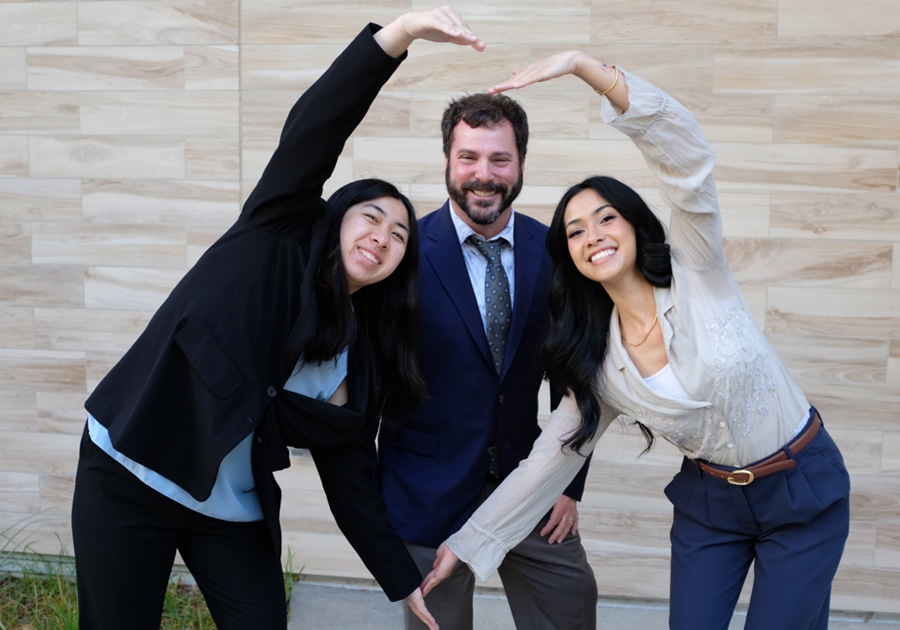
Residency Program Director
Contact Information:
ajroberts@health.ucdavis.edu
UC Davis Health
Pharmacy Department
2315 Stockton Blvd, Room 1310
Sacramento, CA 95817
A. Josh Roberts, PharmD, BCPS, BCCP, AACC
Pharmacist Specialist Cardiology, UC Davis Medical Center
Clinical Professor (Volunteer), UC San Francisco School of Pharmacy
Clinical Professor (Volunteer), UC Davis School of Medicine
Residents:
Cameryn Nakamura, PharmD
Janneca Ames, PharmD
Program Purpose
PGY2 residency programs build upon Doctor of Pharmacy (PharmD) education and PGY1 pharmacy residency training to develop pharmacist practitioners with knowledge, skills, and abilities as defined in the educational competency areas, goals, and objectives for advanced practice areas. Residents who successfully complete PGY2 residency programs are prepared for advanced patient care or other specialized positions, and board certification in the advanced practice area, if available.
Resident Testimonials
This residency program was tailored to my clinical interests and allowed me unique learning opportunities that promoted autonomy, confidence, and critical thinking. I am grateful to all of the preceptors who provided me with mentorship and a welcoming learning environment that allowed me to thrive.
- Josephine Ngo, PharmD 2025 PGY2 Cardiology Pharmacy Resident
This program combines exceptional teaching and learning with the development of autonomy and critical thinking skills. The preceptors' commitment to resident growth and well-being is apparent throughout each rotation, and I am very fortunate to have trained here.
- Sarah Wood, PharmD 2024 PGY2 Cardiology Pharmacy Resident
This residency program has prepared me to be a well-rounded clinical pharmacist, preceptor, and mentor. The residency training and supportive preceptors at UC Davis Health fosters experiences to grow as a clinician and advance the field of cardiology medicine.
- Christopher Lee, PharmD 2024 PGY2 Cardiology Pharmacy Resident
This residency program has allowed me to further develop my clinical skills, teaching abilities, and effectiveness in dissecting literature. The preceptors foster a supportive learning environment and provide immense learning opportunities to care for complex patients and promote critical thinking.
- Cindy Kang, PharmD 2023 PGY2 Cardiology Pharmacy Resident
I am extremely fortunate to have had the opportunity to train at this program. The culture is supportive and fosters independence while equipping the resident with skills to handle complex medical decisions and practice precision medicine while also being aware of the literature and existing gaps within patient care.
- Byron Stevenson, PharmD 2022 PGY2 Cardiology Pharmacy Resident
This residency program has allowed me to quickly develop and step onto my path as a cardiology pharmacist and teacher, providing me with the skills to navigate complex clinical situations. A variety of experiences and a large group of supportive preceptors has allowed this year to be extremely fulfilling and makes me glad to be a part of the UC Davis family.
- Jerry Jing, PharmD 2022 PGY2 Cardiology Pharmacy Resident
Completing this residency has provided me the skillset for complex clinical decision making as well as daily opportunities to facilitate and participate in layered learning.
- Sutton Watson, PharmD 2021 PGY2 Cardiology Pharmacy Resident
This Residency gave me the opportunity to work independently as a clinician and teacher and to become comfortable working and thinking in the gray.
- Caitlin Kulig, PharmD 2020 PGY2 Cardiology Pharmacy Resident
Program Overview
The Post Graduate Year Two (PGY2) Cardiology Pharmacy Residency at UC Davis Medical Center (UCDMC) is designed to provide PGY1 graduates the opportunity to advance beyond generalist practice and further develop specialized care in areas related to cardiovascular conditions and other commonly related co-morbidities which may coexist. It is assumed that the resident has already achieved a basic level of competence commensurate with that of a PGY1 Pharmacy Practice Residency graduate. The PGY2 residency focuses on developing the knowledge, attitude, training, and critical skills necessary to cultivate competent and compassionate pharmacists who are prepared to practice at a high level.
Graduates of the residency will have the capability to manage very complex acute and chronic conditions in a multitude of settings including critically ill adult and pediatric patients in medical and surgical settings. This includes chronic conditions and situations that may be life determining in complex situations. The resident will be provided the clinical knowledge and advanced critical thinking skills necessary to practice in a variety of settings that may include teaching, research, leadership, or management upon completion. Beyond the primary goal of the residency as stated above, there are several options and electives offered to allow the resident to have emphasis in reaching individualized practice or training goals. The resident will be provided exposure and opportunity for additional experience in the following areas:
- Cardiothoracic surgical practice which includes peri-operative, intra-operative, and post-operative management.
- Experiences in acutely and chronically managing patients with mechanical circulatory support devices
- Academic practice which would include experiences with students and faculty from the UC San Francisco, University of the Pacific, and California Northstate University Schools of Pharmacy
- Specialty Pharmacy practice settings include pediatrics, nutrition, emergency care, transplant, and other critical care settings.
- Yearlong training involving advanced practice, research, and additional skills key to a successful practice.
- Longitudinal ambulatory care experiences in the advanced heart failure clinic and the ventricular assist device clinic
Day in the Life of a Cardiology Resident
During a typical day on the Cardiology Service, the PGY2 resident will pre-round in the morning before attending rounds with the medical team. The resident acts as an integral part of the interdisciplinary team and serves as the medication expert. After rounds, the pharmacy resident takes on an active role in the layered learning model - teaching the various pharmacy residents and students that are on rotation with the Cardiology team through answering questions, facilitating patient presentations, and leading topic discussions. The resident also takes the lead in verifying medication orders for their team, completing pharmacy patient care handoffs for their assigned patients, facilitating patient anticoagulation education, completing discharge medication reconciliation, and helping to triage Vocera calls and Epic Secure Chat messages. Although support is always available, the PGY2 resident quickly becomes an integral part of the Cardiology pharmacist team. It is not uncommon to see the resident scrubbing into the OR to help assist the team with complex anticoagulation or hemostasis questions during emergent surgeries in real-time. Aside from these daily tasks, the resident also participates in the Thrombosis Subcommittee, facilitates a monthly journal club, and participates in other longitudinal activities such as didactic teaching, medication use evaluations, and Grand Rounds, among others.
UC Davis Medical Center and Pharmacy Services
UC Davis Medical Center is a major academic, health center located in Sacramento, California. The Department of Pharmacy services recruits, hires, and trains caregivers to provide progressive pharmacy services as collaborative team members to support optimal patient outcomes.
Learn more about UC Davis Health Pharmacy
Program Design
Educational Outcomes Required by the Accreditation Standard:
R1. Patient Care
R2. Advancing Practice and Improving Patient Care
R3. Leadership and Management
R4. Teaching, Education, and Dissemination of Knowledge
R5. Management of Cardiovascular (ACLS) Medical Emergencies
Electives may be added based on available resources and resident interest
This residency will offer the resident the opportunity to rotate through multidisciplinary activities involving several patient care settings with exposure to a wide variety of disease states. Specifically, patient care is provided to patients undergoing most cardiology related invasive procedures done in cardiac catheterization or open-heart surgeries. Additional areas include patients with advanced heart failure that involve heart transplants or placement of cardiac assist devices. Daily activities will include rounding with specialty medical teams, seeing patients, assessing/implementing management plans, educating patients and practitioners, and developing any identified areas for improvement. Residents and RPD will determine the need to shorten or lengthen certain rotational opportunities and target areas for growth as the residency progresses.
Program Structure
The PGY2 Cardiology Residency is a full-time, 52-week commitment, beginning on July 1 and ending on June 30.
Example Calendar of Activities:
|
Quarter 1 |
Quarter 2 |
Quarter 3 |
Quarter 4 |
|
July
|
October
|
January
|
April
|
|
August
|
November
|
February
|
May
|
|
September
|
December
|
March
|
June
|
|
Longitudinal Activities |
|||
|
|||
UC Davis Medical Center PGY2 Cardiology Residency Learning Experiences:
The residency learning experiences will primarily be divided into block rotations and longitudinal learning experiences. The majority of rotations will be a month long in duration. Rotation schedules will be determined based on availability and resident interests and designed to include all required CAGOs and a variety of clinical experiences and environments. Rotation schedules will be adjusted and updated quarterly in conjunction with preparing the updated development plan.
- Each longitudinal experience will have some concentrated block time
- Project time will be coordinated throughout the year as arranged with the PGY2 Cardiology program director
UC Davis Medical Center PGY2 Cardiology Resident’s Role in Teaching:
UC Davis Medical Center offers many opportunities for both clinical and didactic teaching. The resident will be responsible for assisting preceptors with clerkship teaching for University of California, San Francisco School of Pharmacy students. The resident will also be involved in team-based didactic cardiology lectures for University of the Pacific and California Northstate Schools of Pharmacy. Early in the residency year, the resident will be engaged in teaching and precepting before assuming the primary preceptor role for UCSF pharmacy students in the latter part of the residency.
The resident will be required to prepare a pharmacy grand rounds, multidisciplinary presentation, or pharmacy competency presentation. In addition, the PGY2 Cardiology Care Resident may choose to participate in academic teaching, as requested by regional schools of pharmacy, with the approval of the PGY2 Cardiology Residency Program Director.
Residency Research Project:
All UC Davis Medical Center PGY2 residents are required to complete a research project and present their research in a podium presentation at the UC Pharmacy Conference or other regional/national meeting. In preparation for conducting their research project, the resident will complete UC Davis Health IRB-required training and certification. The resident will prepare a project proposal, which will be reviewed and approved by the UC Davis Medical Center Pharmacy Residency Oversight Committee (PROC). The resident will also submit their project to the Thrombosis Subcommittee and/or Pharmacy and Therapeutics Committee. They will submit the project to the IRB for review, before embarking on their research. Upon completion of the project, the resident will be required to prepare a manuscript suitable for publication and present the research outcomes to the Thrombosis Subcommittee and/or Pharmacy and Therapeutics Committee. PGY2 residents are expected to submit their manuscripts for publication.
Committee Assignments:
The PGY2 Cardiology resident will participate in various committee activities, as assigned by the PGY2 Cardiology residency program director. Assignments will be determined based on current department initiatives. The purpose of the resident’s committee involvement is to ensure the resident gains exposure to the pharmacist’s role in activities related to quality-improvement, medication safety, the safe handling of hazardous drugs, guideline development, and assessment/implementation of technology and automation within the institution and pharmacy department. Committees in which cardiology pharmacists play a key role at UC Davis Health include: Thrombosis subcommittee; Pharmacy and Therapeutics committee; LVAD selection committee; and Venous Thromboembolism Initiative Committee.
Professional Development:
The PGY2 Cardiology resident is encouraged to maintain an active role in pharmacy professional organizations. The resident is strongly encouraged to become a member and become involved in a related committee within their selected organization and attend their annual meetings. The resident will be provided with some financial support from the institution and professional leave time to facilitate participation in professional development activities.
Pharmacy Department Service:
The PGY2 Cardiology resident will be expected to provide pharmacy department service hours. This expectation will be met primarily through providing staffing in activities related to cardiology-pharmacy patient care services every third weekend plus shift coverage of two major holidays (Thanksgiving and Friday following; Christmas Eve and Christmas Day; or New Year’s Eve and New Year’s Day). They will also be expected to provide evening clinical coverage for a limited number of evenings throughout the year. It is anticipated that the PGY2 resident will offset a cardiology pharmacist in a clinical setting once competency is established.
Required Competencies:
Residents function as licensed pharmacists in patient care activities. As such, minimum knowledge in a variety of areas must be assured. Within one month of starting the residency, the resident must complete competencies required of all clinical pharmacists. Basic Cardiac Life Support (BCLS) certification is required, and Advanced Cardiac Life Support (ACLS) training will be provided if not already certified.
Resident Portfolio:
Each resident must maintain a portfolio containing all information from the residency year including but not limited to copies of papers or projects done during rotations, lectures given, research project manuscript.
Resident Personnel Policies:
The following policies are located in the Pharmacy Resident Manual
- Candidate Minimum Qualifications & Pre-employment requirements
- Early Commitment Policy
- Licensure
- Duty-hours & Moonlighting
- Professional, planned/unplanned, and extended leave
- Disciplinary & Corrective Action
