

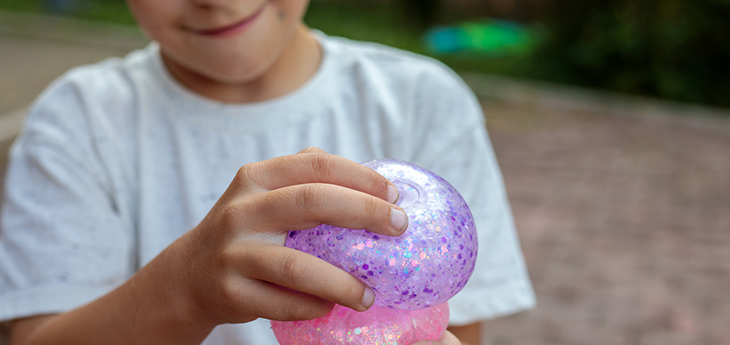
Squishy toys are popular sensory toys for kids. But some may pose safety risks, including choking, chemical exposure and burns. Our experts explain what parents should know about squishy toy safety, what to look for before buying one and how to reduce potential risks.
What are squishy toys and why are they so popular?
Squishy toys are soft, squeezable toys designed to be pressed, stretched or fidgeted with. They come in many shapes, sizes and textures, from food-shaped toys and animals to stress balls and tactile fidgets. These toys have been seen all over social media, leading to increased popularity among young children and adolescents.
Understanding what’s inside a squishy toy and how it’s made can help parents choose toys that are appropriate for their child and keep playtime safe.
Sign up for our Health Highlights e-newsletter
Are squishy toys dangerous?
For many children, squishy toys are appealing because they offer a hands-on sensory experience. But not all squishy toys are made the same. Some contain materials such as gel, liquid, foam or small beads. These materials can pose safety concerns if the toy breaks, is used incorrectly or if a child is exposed to counterfeits with harmful chemicals in them.
The potential danger often depends on what is inside the toy and a child’s age and developmental stage.
Water beads and other small materials found in squishy toys
Some squishy toys contain water beads, which are small polymer beads that expand when they come into contact with liquid. If swallowed, water beads can continue to grow inside the body and may cause serious intestinal blockage. They can also pose a choking or aspiration risk.
Because water beads can be difficult to see if they are clear or small, parents may not realize a child has swallowed one. Keep toys containing water beads away from young children, particularly those who are still putting objects in their mouths.
Choking and ingestion hazards of squishy toys
Small parts can be a serious concern for young children. If a squishy toy tears or breaks apart, pieces of the toy or its filling could become a choking hazard.
Before giving a squishy toy to a child, check the manufacturer's recommended age and inspect the toy for tears, punctures or loose pieces. If a toy is damaged, take it out of play and discard it.
Chemicals and unknown materials in squishy toys
Unfortunately, due to the popularity of these toys, counterfeit squishy toys are on the market. Many are poorly made and may not meet federal safety requirements. They could contain carcinogens (ingredients known to cause cancer in humans) and excessive levels of substances such as lead or prohibited phthalates.
The concern may be greater with counterfeit or poorly labeled toys. In a 2026 safety alert, the U.S. Consumer Product Safety Commission (CPSC) warned that some counterfeit squishy toys contained excessive levels of lead, prohibited phthalates or other hazardous chemicals.
Phthalates are synthetic chemicals used to make plastics flexible and are often used in toys to make them smell good. They are a type of endocrine-disrupting chemical, meaning they affect hormones. Certain phthalates are restricted in children's toys because of potential health concerns.
Health concerns of phthalates include:
Counterfeit products may also lack required testing, safety information and manufacturer identification.
Learn more about microplastics and how to reduce your exposure
What should you do if your child is exposed to chemicals or swallows part of a squishy toy?
The potential health risk depends on the type and amount of chemicals, how a child is exposed and how often that exposure occurs.
Contact a healthcare professional or seek emergency care when a child:
- Swallows part of a toy or its filling
- May have swallowed a water bead
- Has trouble breathing or is choking
- Develops persistent vomiting, abdominal pain or other concerning symptoms after possible ingestion
- Sustains a significant burn from a heated toy
If your child swallows part of a squishy toy or its filling, contact Poison Control at 1-800-222-1222 for guidance. If your child is having trouble breathing, has a seizure, collapses or cannot be woken up, call 911 or seek immediate medical care through urgent care or emergency departments.
Can squishy toys be heated?
No. Squishy toys should never be microwaved or intentionally heated. Some social media trends may encourage children to put squishy toys in the microwave. However, doing so can cause the toy to burst and release hot materials, creating a risk of serious burns.
Parents and children should also avoid leaving squishy toys in places where they can become very hot, such as:
- Inside a car on a warm day
- In direct sunlight
- Near a heater
- On a hot surface
Heat can cause some toys to expand, leak or break apart, increasing the risk of burns and chemical exposure.
How can parents tell if a squishy toy is safe?
Not every squishy toy is appropriate for every child. Consider your child's age and developmental stage. You should also make sure the toy comes from a reputable manufacturer or seller.
Before buying, parents should look for:
- Age recommendations that match their child
- Manufacturer or importer information
- Safety warnings and instructions
- A reputable retailer or seller
- Packaging that appears legitimate and complete
Before play, parents should check the toy for:
- Tears
- Punctures
- Leaks
- Strong chemical odors
- Unusual discoloration
- Pieces that are coming loose
- Material that can easily be pulled or torn apart
What should parents do if a squishy toy breaks?
- Stop play immediately.
- Take the toy away from the child.
- Don't allow children to touch or play with material that has leaked out.
- Wash yours and your child’s hands after handling the damaged toy or its contents.
- Don't give the toy to another child or donate it.
- Check whether the product has been recalled.
If your child bites, chews or swallows a squishy toy or its contents, it can be difficult to know how much they may have ingested or whether the material could be harmful. When in doubt, contact Poison Control for guidance.
Are squishy toys bought online safe?
Due to the increased popularity of squishy toys, counterfeit products are being rapidly sold on online marketplaces, by third-party sellers and on social media. While it may be difficult to identify counterfeit products, there are some checks parents can make before buying squishy toys online.
Before buying or giving squishy toys to children, parents should be cautious of:
- Unknown manufacturers
- Missing age recommendations
- Missing safety warnings
- Poor-quality packaging
- Products with unusually low prices
- Toys with no clear manufacturer or importer information
Understanding the risks associated with squishy toys can help parents make informed decisions on buying toys and giving them to their children.
The U.S. Consumer Product Safety Commission also regularly issues product recalls. Check their website for the most updated information.
Bottom line: Squishy toys are generally safe
Squishy toys aren’t necessarily unsafe, but certain types and situations can pose risks. Be aware of damaged toys, toys containing water beads or small parts, counterfeit products and toys exposed to heat.
Squishy toys can be a fun way for children to explore textures and sensory play. Choosing age-appropriate toys from reputable sellers, checking toys for damage and keeping them away from heat can help reduce potential risks.
Learn more about pediatric primary care
This blog was medically reviewed by exposure scientist Deborah Bennett and pediatrician Lena van der List.