

School of Medicine

Research Impact Report

a stylized scientific illustration of a neuron

Featured Research

All research at UC Davis Health plays a vital role in advancing medical knowledge, improving patient care and shaping the future of health. From the study of proteins in the lab to clinical trials of new therapies, every project contributes to our mission of better health for all.

Featured here are just a few examples of the impactful research faculty, centers, programs and projects making important contributions to the university research enterprise.
Featured Researchers
  • Theanne Griffith

    Theanne Griffith’s research is transforming scientific understanding of proprioception, the sense that allows people to perceive the position and movement of their body without visual cues. This internal awareness is essential for coordinated movement and is often impaired by conditions such as amyotrophic lateral sclerosis, nerve injury, and aging. Griffith’s work challenges the long‑held view that proprioceptors are simple motion detectors, showing instead that they play an active role in the development, maintenance, and repair of motor networks.

    Read More
  • Dennis Hartigan-O'Connor

    Dennis Hartigan-O’Connor leads internationally recognized research at the intersection of immunology, infectious disease, and regenerative medicine. His work centers on understanding how the human immune system—particularly T cells—develops and responds to chronic infections such as HIV, cytomegalovirus, and hepatitis C. By studying how immune responses are shaped by metabolic and environmental factors, his research aims to uncover why some immune responses successfully control infection while others fail.

    Read More
  • Yoshihiro Izumiya

    Yoshihiro Izumiya researches how herpesviruses interact with host cells, focusing on the molecular mechanisms that allow these viruses to remain dormant for long periods and then abruptly reactivate to cause disease. Herpesviruses serve as powerful model systems for studying epigenetic gene regulation, as they can switch rapidly between silent and highly active states within the host genome.

    Read More
  • Na’amah Razon

    Na’amah Razon is a family physician and medical anthropologist whose research focuses on how social and structural conditions shape health outcomes. Rather than treating issues like transportation, housing, and insurance as peripheral concerns, her work places these social factors at the center of healthcare research and delivery.

    Read More
  • Gabriela Loots

    Gabriela Loots’ research focuses on understanding how gene regulation shapes tissue health and disease, with a particular emphasis on bone biology. Her work combines genomics, molecular biology, and translational research to uncover how regulatory elements in the genome influence musculoskeletal health.

    Read More
  • Elisa Zhang

    Elisa Zhang launched her laboratory at UC Davis in 2025, establishing a new center of innovation in reproductive biology and regenerative medicine. Her research focuses on how the uterine lining regenerates, heals after injury, and supports embryo implantation—processes that are essential for successful pregnancy but remain poorly understood.

    Read More
Featured Centers
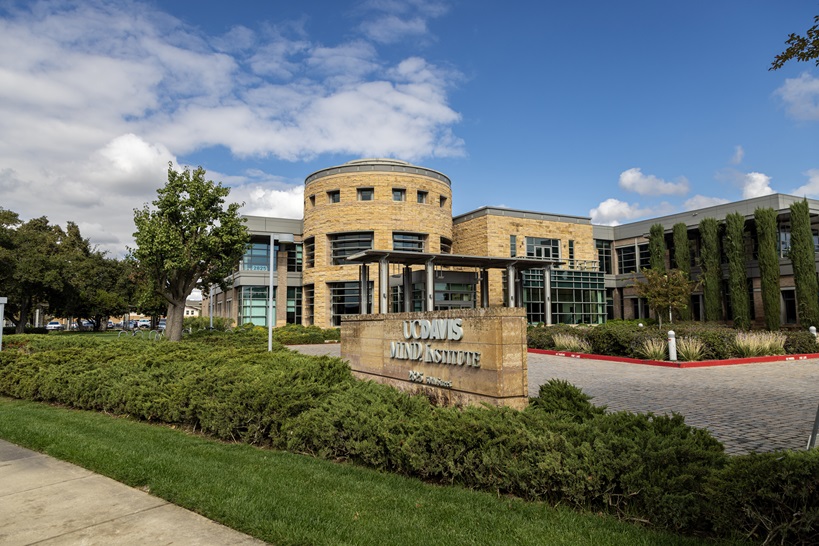
photo of the UC Davis MIND Institute

Featured Centers

The social impact of research refers to the verifiable benefits and changes that research generates in society beyond academia, such as improvements in health, the economy, the environment, or quality of life. Research becomes socially impactful when it informs and influences policy, practice and decision-making, leading to tangible societal improvements.

This year we feature the wide-ranging impacts of the Centers for Violence Prevention and the UC Davis MIND Institute

Centers for Violence Prevention

UC Davis MIND Institute