
School of Medicine
Research Impact Report

2025

Message from the Vice Dean for Research
Since the earliest days of human civilization, we have used stories to make sense of the world. Long before the scientific method, communities crafted myths to explain natural phenomena—why the sun rises, how the seasons change, what causes illness or healing. These stories weren’t just entertainment; they were early attempts at scientific reasoning, shared in ways that connected people to the mysteries of their environment and to each other.
Today, of course, science is more precise and data-driven - but also more specialized and often siloed, and scientific communication has become less accessible. The language of research can feel distant, even opaque, to those outside the lab, and even among different specialists. This has made it difficult to convey to the general public and to policymakers the value of research for which outcomes might be slow and incremental. Scientists have been working on this issue of engagement for some time, now. This is why, for instance, one of the foundational principles of the Clinical and Translational Science Awards program is the need to engage communities in the research process.
But now we have come to a point of crisis. Competing narratives about controversial topics, such as vaccinations, have always been with us, but we can no longer reliably count on the federal government to make science-based decisions about public health, nor communicate them to their constituents. It now falls on us – the scientific community – to engage with the public as well as national and regional policymakers about these critical issues.
Storytelling is one way that can we connect our work to the world—how we can make complex ideas understandable, relevant and inspiring. In this report, you’ll find stories that illuminate the breadth and depth of our research at UC Davis School of Medicine: a glimpse at our impressive year of funding, snapshots of the efforts of a few of our outstanding researchers and a look at the longstanding impact of some of our most established research programs. These narratives don’t just describe what we do—they show why it matters.
We hope these stories spark your imagination, deepen your appreciation for research, and remind you that behind every breakthrough is a human story worth sharing.
Kim E. Barrett, Ph.D. Vice Dean for Research
UC Davis School of Medicine
Executive Summary
UC Davis School of Medicine remains a leader of biomedical innovation, driven by a dynamic and expanding research enterprise that fuels discovery, collaboration and impact. In 2024–2025, our investigators, research administrators, and institutional partners worked together to advance science that improves lives locally, nationally and globally. Check out highlights from our extraordinary year in discovery and innovation.

Our Team
The School of Medicine Office of Research plays an impactful role in advancing research at UC Davis. The office's six units support investigators, foster collaborations and facilitate the efficient management of research resources.
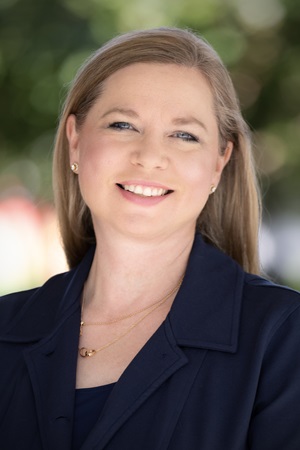
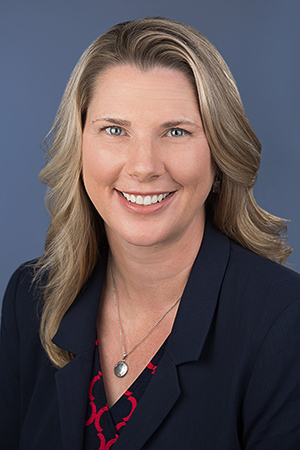
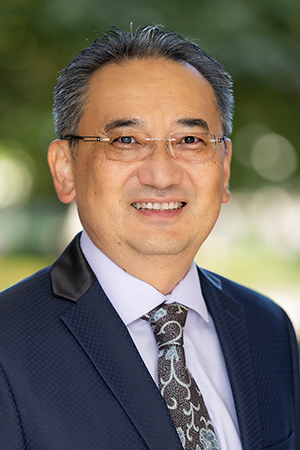
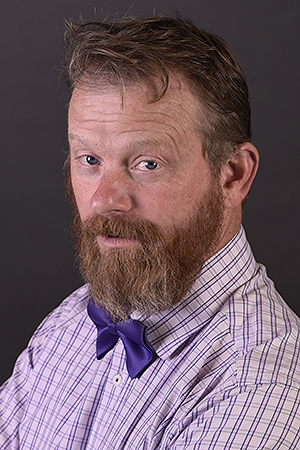
Staff
As of September 30, 2025
Research Operations
- Nguyet Kong, Director of Research Operations
- Ida Shunk, Communications Specialist
- Oyunbold Jones, Financial Analyst
- Lucy Cai, Research Analyst
- Tasska Johnson, Senior Administrative Officer
Grants Facilitation
- Erica Chedin, Director of Grants Facilitation
- Hardeep Obhi, Research Development Specialist
- Jeffrey Engler, Research Development Specialist
- Heather Hughes, Research Development Specialist
Evaluation
- Stuart Henderson, Director of Evaluation
- Amy Carillo, Associate Director of Evaluation
- Stacey Neves, Senior Evaluation Specialist
- Rebecca Giacinto, Senior Evaluation Specialist
- Melissa Sullivan, Evaluation Analyst
Research Administration
- Christopher J. Wang, Director of Research Administration
- Matt Nguyen, Research Administrator
- Debbie Lim, Research Administrator
- Alyssa Bunn, Research Administrator/Trainer
- Tammi Olineka, Research Space Funding and Research Administrator Project Manager
- Hue To, Research Administrator
- Tracy Huff, Executive Assistant
Safety
- Steve Libertini, EHS Manager
- Brett Smith, Safety Officer
- Ivonne Palma-Drake, Safety Officer
Research Space Oversight
- Lilly Greatorex, Facilities Manager
- Kristopher Galvan, Space Analyst
- Raquel Shintaku, Administrative Officer
- Eric Hanke, Auto Equipment Operator
- Anthony Freeman, Building Maintenance
Unit Accomplishments






Major Funding Highlights
Read about the major awards and contracts that fueled research in 2024-2025.