
Betty Irene Moore School of NursingSeptember 29, 2026
UC Davis nursing research examines the human impact of Alzheimer’s biomarker testing
New NIH funding expands study of how patients and families respond to a diagnosis
(SACRAMENTO)
Ever since Alzheimer’s disease was first discovered, physicians have had limited knowledge to know what was happening in someone's brain.
For decades, health experts would gain insight into the disease only after a person died, when they could study the brain tissue and make a definite diagnosis.
Today, biomarker tests, including amyloid PET scans, can detect hallmark amyloid plaques in living patients and help guide diagnosis and care.
But the scientific progress has created a new question: What happens when patients and families receive that potentially life-altering information about what is happening in their brains?
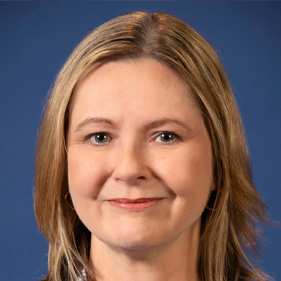
Jennifer Lingler, associate dean for research at the Betty Irene Moore School of Nursing at UC Davis, has spent years seeking answers.
“We need to understand what this means in the real world,” Lingler said. “We still don’t know how this information affects your everyday patient and family.”
If we can identify what the risk factors are for being in that sustained distress group of people, those who experience prolonged emotional upset, we can see who might benefit from additional monitoring or support after they get these test results.—Jennifer Lingler, School of Nursing associate dean for research
Before coming to UC Davis, the National Institute on Aging (NIA), part of the National Institutes of Health, awarded Lingler’s then-home institution, University of Pittsburgh, and UC Irvine a $3.5 million grant to explore how patients respond to Alzheimer’s disease diagnoses.
Lingler and co-principal investigator Joshua Grill of UC Irvine continue leading the Patient and Family Member Reactions to Biomarker-Informed ADRD Diagnoses, or PARADE, study at UC Davis. The research examines how patients and families respond emotionally to biomarker-informed diagnoses, what value they place on knowing the results and what support they need afterward. The study was designed to enroll 500 people receiving Alzheimer’s biomarker testing across the country.
Lingler recently received the good news that her research has been awarded an additional grant of more than $400,000 from the National Institute on Aging to help expand nationwide recruitment for the study, which is more than halfway to the goal.
Alzheimer’s biomarker testing moves into clinical care
The supplemental funding comes as Alzheimer’s care is changing quickly.
With the advancement of Alzheimer’s treatments and testing, more people are learning whether they have biological indicators of the disease. Expanded access to PET scans and newer blood-based tests, along with targeted drug therapies, means biomarker results are increasingly becoming part of routine diagnosis and treatment decisions.
Those developments make understanding how people respond to biomarker information increasingly important.
“I used to joke that I was operating in obscurity in the research ethics space,” Lingler explained. “Now these new treatments are bringing biomarker testing into everyday care, and the questions I’ve been studying for years are suddenly front and center.”
Earlier studies suggested that disclosing Alzheimer’s biomarker results generally does not cause serious psychological harm. But the participants in those studies were a homogenous group of research volunteers. PARADE was designed to study a population that better reflects the variety of patients seen in everyday clinical practice and identify who may need added monitoring or support after receiving results.
Researchers have learned that participants respond in different ways to the news.
“Some people get upset by their results, but snap back; some people get upset and remain bothered for months; others find the news to be more validating than upsetting,” Lingler explained. “If we can identify what the risk factors are for being in that sustained distress group of people, those who experience prolonged emotional upset, we can see who might benefit from additional monitoring or support after they get these test results.”
How Alzheimer’s biomarker results can shape life decisions
For Lingler, giving patients information is also about allowing them to make their own decisions.
She recalls a teacher in an earlier study who developed mild cognitive impairment. Worried that her memory might eventually affect her performance, she retired early, even though she was still successful at her job. Without biomarker information, she made a major financial and life decision while uncertain about what her cognitive changes might mean.
“She was afraid. She wanted to retire a day too soon rather than a day too late,” Lingler said. “If she had had the opportunity to have a biomarker test, she might have had some reassurance. It might have informed her decision-making.”
While much Alzheimer’s research focuses on detecting disease and developing treatments, Lingler’s nursing science research is centered on what happens to patients and families once that science reaches them and how they understand the information, make decisions and cope with its consequences. She has developed nurse-led approaches to help people consider whether they want testing and understand what the results could mean for their lives.
“People have shown us over and over again, they’re very capable of appreciating that nuance and are grateful to have their own data supplied back to them, their own information,” she said.
As Alzheimer’s diagnostics and therapies advance, Lingler’s research is focused on the next challenge: making sure the people receiving this new information are prepared to live with — and act on — what science can now tell them.
From Labs to Lives
This work was supported by federal research funding, which helps transform promising discoveries into real-world breakthroughs that save lives and improve quality of life.
Learn more about how public investment in UC Davis research powers innovation, strengthens the economy and advances human health in From Labs to Lives.