Specialties
Gastroenterology and Hepatology
Gastroenterology Fellowship

A Message From Our Directors
For over 20 years, the UC Davis Gastroenterology & Hepatology Fellowship program has developed a strong reputation for training outstanding clinical and academic gastroenterologists. Fellows are closely mentored by experts in general gastroenterology, motility, inflammatory bowel diseases, interventional endoscopy, and transplant hepatology. Our training not only provides a robust foundation in gastroenterology and hepatology, but is also ultimately tailored to our fellows’ career interests. Our graduates have been able to pursue a wide variety of career pathways including advanced fellowship (interventional endoscopy, liver transplant), community practice, and academic medicine.
Thank you for your interest in the UC Davis Gastroenterology & Hepatology Fellowship. We welcome you to explore our program further!
Program Director
Associate Program Director
Four fellows are selected each year based upon their clinical performance, scholarly accomplishments and potential to become outstanding gastroenterologists and hepatologists.
In the first year of the program, fellows will serve as the primary fellow on the UC Davis general gastroenterology consult service (staffed by dedicated GI Hospitalists), UC Davis liver consult service (staffed by Transplant Hepatologists), and the VA consult service. The first-year ambulatory block will provide additional experience in outpatient endoscopy, capsule endoscopy, liver transplant clinic, and GI Hospitalist post-discharge clinic. First-year fellows have six months of dedicated general gastroenterology continuity clinic and six months of hepatology continuity clinic.
During the second year of training, fellows will advance to the role of senior fellow on the UC Davis general gastroenterology consult service while having ample protected time for research and scholarly work. Under the guidance of a faculty mentor, each trainee is expected to develop a research proposal tailored to their interests and future goals. Second-year fellows will also have six months of motility continuity clinic, where they will gain experience in reading esophageal manometry, anorectal manometry, and pH studies. There will also be six months of inflammatory bowel disease continuity clinic, where fellows will gain experience in the primary management of IBD patients and the utilization of advanced therapies. Two months will be dedicated to rotating in the GI-nutrition clinic as well, where fellows will be exposed to medically complex patients requiring alternative forms of nutrition including tube feeds and total parenteral nutrition. A second-year ambulatory block will provide additional time in outpatient endoscopy and clinics at the UC Davis Midtown Clinic and the Mather VA Medical Center.
The third and final year of fellowship provides significant exposure to the inpatient and outpatient management of pancreaticobiliary diseases, including time spent learning the basics of ERCP and EUS. Third-year fellows are also expected to be concluding their research project at this time. An additional two months will also be spent in the GI-nutrition clinic. Given this is the final year of general training, fellows are highly encouraged to pursue interests that align with their individual career goals. As such, ambulatory and endoscopy blocks can be tailored to fit the needs of the fellows.
Throughout the three-year fellowship, trainees will spend the majority of their time at UC Davis Medical Center, a 650-bed, university-based, tertiary medical center. UC Davis Health serves over 33 counties, covering a 65,000 square-mile area. At UC Davis Medical Center, fellows will see a diverse patient population with rare and complex conditions. Fellows will also rotate at the Sacramento Mather VA Medical Center. The Mather VA is a tertiary inpatient and outpatient facility caring for United States military veterans with chronic diseases and disabilities. Additionally, fellows will have the opportunity to perform outpatient procedures and rotate in clinics at UC Davis ambulatory sites in Elk Grove, Folsom, and Midtown Sacramento.
Night and weekend call is divided between all 12 fellows. During the daytime on weekends (8 a.m. to 5 p.m.), one fellow is responsible for all consult services at UC Davis Medical Center, while another fellow is responsible for the Mather VA. The fellow on night call (5 p.m. to 8 a.m. next day) is responsible for both UC Davis Medical Center and the Mather VA.
Thursday mornings are devoted to education of the trainees. Regular sessions include journal club, board review, and case conference. Multi-disciplinary conferences also take place with colleagues from pathology, radiology, and surgical subspecialties. A separate endoscopy lecture series with monthly lectures on endoscopy-related topics and quarterly hands-on sessions is integrated into didactics. Every month, a “State Of The Fellowship” meeting with the program leadership provides an opportunity for fellows to directly discuss any issues affecting the fellowship with program leadership. On Tuesday mornings, GI Grand Rounds take place, where local and national leaders in gastroenterology and hepatology are invited to speak to the UC Davis GI division on the area of their expertise. Finally, a quarterly academic morning takes place in which the GI fellows and faculty present research updates, in addition to providing a forum to address any operational issues that have arisen as part of our continuous quality improvement processes.
Curriculum for Fellowship Training UC Davis Medical Center Division of Gastroenterology and Hepatology
The UC Davis Division of Gastroenterology and Hepatology is committed to providing fellows a robust educational experience in a nurturing environment with the aim of training highly effective clinicians in the treatment of digestive diseases. We recognize that each learner has individual strengths and goals. The curriculum was not only developed to provide educational opportunities for all types of learners that encompasses the knowledge and skills required of practicing gastroenterologists but was also designed to remain flexible in its structure to allow trainees to pursue advanced knowledge and skills related to their career goals.
Teaching Locations
- University of California Davis Medical Center
- UC Davis Ambulatory Sites in Midtown Sacramento, Elk Grove, and Folsom
- Sacramento VA Medical Center (Mather)
Educational Purpose
The purpose of this fellowship is to train physicians to develop competency and expertise in the practice of general gastroenterology and hepatology. Specifically, graduating fellows will be able to provide specialty care to patients with complex digestive diseases beyond what is required in an internal medicine residency. Dedicated knowledge of gastrointestinal and liver diseases, diagnostic methods, treatment modalities, and specialized procedural skills are necessary to provide care to these groups of patients.
Goals and Objectives
By the completion of the program, the fellow will be able to:
- Demonstrate mastery of gastroenterology and hepatology knowledge in the areas outlined by the ACGME and published by the American Gastroenterology Association.
- Develop competency in the care of gastrointestinal and liver-related illnesses in both inpatient and outpatient settings.
- Demonstrate competency in endoscopic skills including diagnostic EGD, colonoscopy, hemostasis, polypectomy, dilation, and removal of foreign objects.
- Demonstrate professionalism and empathy in interactions with colleagues, peers, and patients.
- Demonstrate knowledge of the approach to various gastrointestinal illnesses in general gastroenterology, inflammatory bowel disease, motility, hepatology, and pancreaticobiliary disease through case presentation.
- Develop the ability to access medical information, critically assess research, and present a synthesis of this information to an audience of peers.
- Demonstrate the ability to generate and complete original research.
- Demonstrate the ability to present information to peers in small group discussions and didactic lectures.
Teaching Methods
A variety of teaching methods are used throughout the training program, including experiential learning, didactic lectures, group discussions, self-directed learning, and oral case presentations. Experiential learning occurs in patient encounters, endoscopic procedures, and research.
Outpatient experience occurs in continuity clinic rotations of 6-month duration throughout the training and include general gastroenterology, hepatology, inflammatory bowel disease, nutrition, motility, and pancreaticobiliary clinics.
Inpatient rotations of 2-4 weeks duration include the UC Davis General GI consult service, UC Davis Hepatology consult service, UC Davis Pancreaticobiliary consult service, and Mather VA consult service.
Research blocks vary in length but are concentrated in the second and third years of fellowship.
Details of the methods and venues used in each rotation are given in individual rotation curriculum. Teaching venues include:
- Teaching Rounds
- Endoscopy Lecture Series
- Clinical Case Conference
- Journal Club/Review
- Board (Pathophysiology) Review
- GI Grand Rounds
- Pathology Conference
- Radiology Conference
- Inter-disciplinary conferences with surgical subspecialties (transplant, bariatrics/foregut, colorectal, oncology).
- Research presentations
- Continuous Quality Improvement (CQI)
- Methods of Evaluation
Assessments of the six core ACGME competencies will be made throughout the training period: patient care, medical knowledge, practice-based learning and improvement, interpersonal and communication skills, professionalism, and systems-based practice. Specific milestones must be reached at each period of training in order to progress and complete the training program, i.e., be deemed competent in the practice of Gastroenterology. Progress will be reviewed with each fellow on a semi-annual basis with the Program Director. Remediation of any deficiencies will be addressed at that time and a corrective plan of action developed.
The following list outlines the tools used to assess competencies throughout the training program.
Evaluation Tools:
- Faculty Clinical Evaluations
- Staff Evaluations
- Patient Evaluations
- Student Evaluations
- AGA In-Service Exam
- Research and Scholarly Projects
- Case Presentation
- GI Grand Rounds Presentation
- Procedure Logs
- Journal Club Presentations
- Duty-hour Compliance
- Medical Records Compliance
- Semi-Annual Performance Summary
- Program Evaluation
- Complaints/Praise
- Continuous Quality Improvement (CQI)
- Curriculum Review and Revision
The curriculum should be evaluated by faculty and fellows annually and revised at least every three years. The next curricular revision will take place in Summer 2026. The responsibility for curriculum review and revision will be delegated to the Curriculum Review Committee led by the Program Director and the Associate Program Director.
The completion of a clinical, translational, or basic science research project is a core requirement of the fellowship program. Fellows are expected to select a research mentor and create a project proposal by the end of their first year. Research blocks in the second and third years are dedicated to data collection, analysis, and finalization of the project. In addition to presenting the final project at a GI division quarterly academic morning, the project must also be presented at a national conference or published in a peer-reviewed journal in order to graduate.
Many faculty within the division are extramurally funded, providing a variety of opportunities for research.
Research opportunities within the Division include:
- Hepatology
- Cholestatic liver diseases (primary biliary cholangitis, primary sclerosing cholangitis)
- Alcohol-associated liver disease
- Metabolic-associated steatotic liver disease (MASLD)
- Liver Fibrosis and Cirrhosis
- Wilson’s disease
- Nutrition
- Viral hepatitis
- Inflammatory Bowel Disease
- Clinical trials and outcomes research
- Basic and translational science
- General Gastroenterology
- Obesity
- Colorectal Cancer
- Healthcare disparities
- Interventional Endoscopy
- Pancreatology
- Novel techniques and technologies
Housing and Education Stipend
Fellows will receive $1,500 education stipend which can be used for educational travel, textbooks, and other similar supplies.
Meal Cards
Fellows are provided with a stipend commiserate with call obligations for purchasing meals at the UC Davis Medical Center Pavilion Café and other UC Davis Medical Center café locations.
Recreational Facilities
Fellows can access house-staff recreational facilities at UC Davis Medical Center, including a well-equipped gym and computer facilities.
Leave Policy
Fellows receive four weeks of paid vacation each year. Leaves are scheduled in advance to allow for cancellation of continuity clinics and appropriate coverage. Additional leaves for illness, family or medical emergencies, maternity/paternity, etc. may be granted with approval as per UC Davis GME policies.
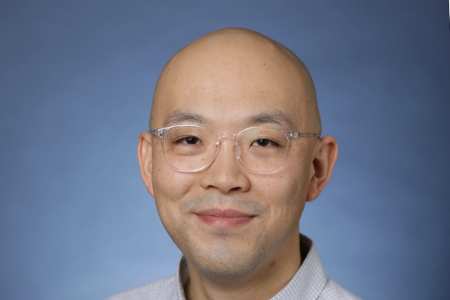
“When I was interviewing at GI fellowship programs, UC Davis stood out for having the best schedule fit for me. Call is front-loaded early on, which creates real breathing room in second and third year to explore clinical interests, develop a professional identity, and be present for my family. I truly feel that I will finish fellowship and not just be a competent gastroenterologist, but a well-rounded physician and person. The people here are genuinely exceptional. Attendings and program directors are down to earth, approachable, and deeply invested in fellow development. Supervision is excellent without being overbearing, and even early on, the attendings stopped feeling like teachers and started to feel like friends. Our patients are a highlight too. They are engaged and deeply grateful for their care, which makes the work consistently rewarding and reaffirms why GI is such a meaningful field. If you are looking for a program that is clinically strong, people-centered, and gives you the autonomy to take ownership of your training, this is a great place to consider.”
— Samuel Ji, D.O.
Class of 2027
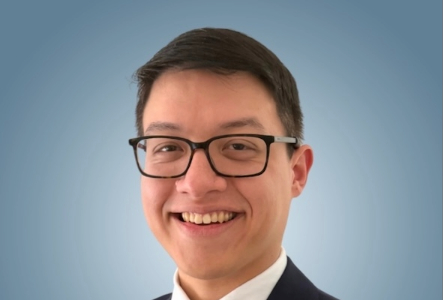
“Before my interview day at UC Davis, I knew little about the program. I had lived my entire life and had done all my training in the Northeast. After my interview day, UC Davis became my first choice. It is a large academic center with high volume and complex cases that will prepare you to practice independently after graduation. You work with transplant hepatologists and surgeons without having to manage a primary service. You work with dedicated GI hospitalists who are experienced in the unique challenges of an inpatient consult service. There are 4 fellows each year, so the call schedule allows you to balance your personal life and work. Our leadership is young and accessible. The list goes on. Now that I am here, I know I made the right decision and could not imagine myself anywhere else.”
— Alexander Chen, M.D.
Class of 2028
The Division of Gastroenterology and Hepatology at UC Davis is ACGME approved for 12 fellowship positions. Thus, we match four new fellows each academic year.
- Applicants should have completed residency training in Internal Medicine in the United States or Canada by the time they enter the fellowship training program.
- Applicants must be board certified or eligible in Internal Medicine and must:
- Applicants should apply to the UC Davis Gastroenterology Fellowship Program through Electronic Residency Application Service (ERAS). All positions will using the National Residency Matching Program (NRMP).
- The program does not currently sponsor J-1 or H-1B visa applicants.
Required documents for a complete application:
- ERAS application (all application materials must be received through ERAS)
- Curriculum Vitae
- 3 or more letters of recommendation
- MSPE (Dean's letter)
- Medical school transcripts
- USMLE transcripts
- ECFMG (if applicable)
- Personal statement
Selection
We review fellowship applications in mid-July soon after they are released by ERAS. All applications are comprehensively reviewed by our Selection Committee. All components of the application are evaluated; in no particular order: past experiences, honors and awards, leadership roles, quality of research and scholarly work, board scores, letters of recommendation, and personal statement. We are ultimately seeking prospective fellows who not only have strong potential to become highly effective clinicians in gastroenterology and hepatology, but whom we feel UC Davis can specifically help to achieve their career goals.
UC Davis Health has made a long-term commitment to expanding the diversity of our training programs to better match the needs of the communities we serve. We welcome diversity in all its forms: race/ethnicity, gender identity, sexual orientation, socioeconomic status, living with disability. We highly encourage you to apply to our program.
Signaling
We strongly consider geographic signaling into our decision to select applicants for interview. If signaling, the applicant must be able to demonstrate and elaborate on their specific interest in UC Davis or the Sacramento area in their application.
Invitation
We send invitations in late July/early August to candidates we are highly interested in. We do not send more invitations than interview slots. Interviews are conducted on four dates in September. We utilize the Thalamus program to schedule and conduct our interviews.
Interview Day Structure
The evening prior to your interview day, a virtual “social hour” takes place where applicants can learn about the firsthand experience of our current fellows and are free to ask any questions about our fellowship. Each interview half-day begins with a brief introduction from our program director, Dr. Jesse Stondell. Interviewees will then proceed to have between 5-7 with UC Davis GI faculty members, each lasting approximately 30 minutes each. All interviews are conducted virtually through Thalamus. UC Davis Gastroenterology and Hepatology does not offer in-person second-look opportunities at this time.
For questions, please contact:
Corinne Baumer
Division of Gastroenterology and Hepatology
4150 V Street, Suite 3500
Sacramento, CA 95817
cbaumer@health.ucdavis.edu

Faculty Ready To Help You Grow
The UC Davis Health Division of Gastroenterology and Hepatology is committed to providing fellows a robust educational experience in a nurturing environment with the aim of training highly effective clinicians in the treatment of digestive diseases. More than 30 faculty and attendings are here to nurture your growth in to an expert clinician and researcher.
Global Health Opportunities
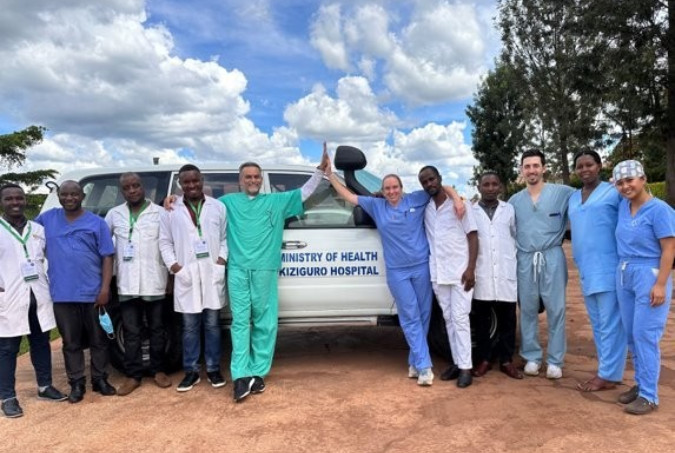
Every autumn, a select group of interested UC Davis GI fellows and faculty join colleagues from other GI programs that are members of the GI Rising organization to participate in the annual Rwanda Endoscopy Week. For one week, members of GI Rising provide clinical and endoscopic care of patients across the East African country of Rwanda. Fellows and faculty also provide GI education to Rwandan healthcare workers during this week. UC Davis has been a proud member of GI Rising and the Rwanda Endoscopy Week for several years, with plans to further develop and deepen our participation moving into the future.
Contact Us
- ACGME Fellowship Program Director: Jesse Stondell, M.D.
- Associate Program Director: Jeffrey Ko, M.D.
- Fellowship Coordinator: Corrine "Rin" Baumer
- Email: cbaumer@ucdavis.edu
- Phone: 916-734-7183
- Fax: 916-734-7908