GI and Liver HealthDecember 23, 2025
New trial at UC Davis Health shows promising results for rare liver disease
Monoclonal antibody could provide relief for patients with primary sclerosing cholangitis
(SACRAMENTO)
A multicenter study led by UC Davis Health tested a new treatment designed to improve care for people with a rare liver disease called primary sclerosing cholangitis. Researchers learned that an anti-inflammatory and anti-fibrotic monoclonal antibody known as nebokitug was safe and showed potential efficacy in patients with PSC.
Published in the American Journal of Gastroenterology, these results offer encouraging news for patients with PSC, for which there are currently no effective treatments short of liver transplantation. The trial also lays the groundwork for a pivotal phase 3 study to further evaluate the drug’s effectiveness, which could lead to U.S. Food and Drug Administration (FDA) approval.
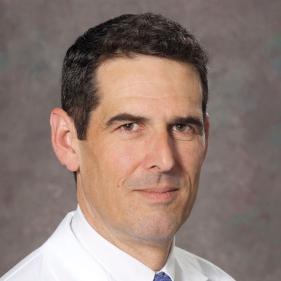
“In the trial, nebokitug demonstrated that it has the potential to change the lives of patients with PSC by reducing fibrosis and inflammation, which should lead to improved outcomes,” said Christopher Bowlus, chief of Gastroenterology and Hepatology at UC Davis Health and one of the lead authors of the publication. “These results are good news for patients with PSC, who are in desperate need of an effective, FDA-approved therapy.”
“These results are good news for patients with PSC, who are in desperate need of an effective, FDA-approved therapy.”—Christopher Bowlus
What is primary sclerosing cholangitis?
PSC is a rare, chronic liver disease that causes inflammation and scarring of the bile ducts. These ducts carry bile from the liver to the small intestine to help digest fats. When they become damaged and narrow, bile builds up in the liver, leading to liver injury over time.
The exact cause of PSC is not fully understood, but most patients also have inflammatory bowel disease, suggesting a direct link between intestinal inflammation and the liver. Symptoms can include fatigue, itching and jaundice, though some people have no symptoms at first. There is no cure, and treatment focuses on managing symptoms and complications. In advanced cases, a liver transplant may be needed.
How does the new treatment work?
Nebokitug is a lab-made antibody designed to block a protein called CCL24. This protein plays a role in inflammation and scarring by interacting with certain inflammatory cells in the liver.
In PSC, CCL24 levels are higher than normal and are found around the bile ducts, where they contribute to liver damage. Studies have shown that blocking CCL24 can reduce these harmful processes. In experimental models of PSC, this approach has demonstrated potential benefits, suggesting that this treatment may help slow disease progression by targeting both inflammation and fibrosis.
For the Phase 2 SPRING trial, PSC patients were randomly assigned to receive nebokitug at two different doses or a placebo through an IV every three weeks for 15 weeks. The main goal was to check safety. Researchers also measured liver health using blood tests, imaging and markers linked to liver scarring. Patients who completed the first part could continue nebokitug for up to 48 weeks. The study enrolled 76 patients across five countries and most eligible participants joined the extension.
Results showed nebokitug was safe and well tolerated. Patients, especially those with more advanced liver scarring, had improvements in key measures like liver stiffness and fibrosis markers compared to placebo.
“These results suggest this treatment may help slow PSC progression by reducing inflammation and scarring, though more research is needed to confirm its long-term benefits,” added Bowlus.