
Minimally Invasive Surgery
Minimally invasive surgeries use smaller incisions, so you have a faster recovery. You can trust our experienced surgeons and advanced techniques.
Medically reviewed by Ankit Sarin, M.D. and Mohamed Ali, M.D. on March 02, 2026.
Minimizing Recovery, Maximizing Results
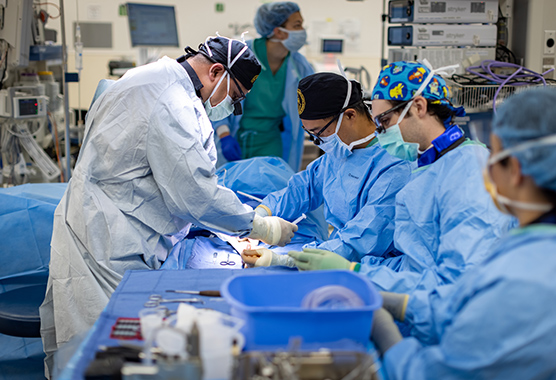
Minimally invasive surgery uses specialized techniques to make surgery gentler on your body. Thin tools and a tiny camera allow surgeons to view organs and tissues through small incisions.
Surgeons at UC Davis Health are skilled in the latest minimally invasive techniques, including leading-edge robotic-assisted procedures. Our expertise and experience, combined with advanced technology, mean you receive exceptional surgical care.
On this page
Request an Appointment
As Sacramento's No. 1 hospital, you'll benefit from unique advantages in primary care and specialty care. This includes prevention, diagnosis and treatment options from experts in 150 specialties.
Referring Physicians
To refer a patient, submit an electronic referral form or call.
Patients
Call to make an appointment.
Consumer Resource Center
Types of Minimally Invasive Surgery
Minimally invasive surgery can include many different types of procedures, including laparoscopic, endoluminal, and robotic-assisted surgery. With this method, a specially trained surgeon controls robotic surgical tools using a console right by your bedside.
Types of minimally invasive and robotic surgery include:
Arthroscopic Surgery
Our orthopaedic surgery experts guide an arthroscope (thin, flexible tube with a camera) to repair or remove damaged tissue in the knees, shoulders or other joints.
Cardiothoracic Robotic Surgery
Cardiothoracic robotic procedures provide the benefits of traditional open-heart and cardiothoracic surgery using tiny incisions instead. Our surgeons use this method to treat many heart conditions, including atrial fibrillation (AFib) and mitral valve disease.
Colorectal Robotic Surgery
We treat the range of colorectal conditions, including colon and rectal cancer and inflammatory bowel disease, using a surgical robot. Our surgeons are skilled in colectomies, rectal resections and transanal surgery. We also offer both laparoscopic and robotic surgery.
Endovascular Surgery
Our vascular surgery experts guide catheters (long, thin tubes) into arteries and veins to repair damaged blood vessels, remove blood clots or treat blood flow issues.
Gastrointestinal Robotic Surgery
Our surgeons use gastrointestinal robotic surgery to treat many digestive conditions, such as esophageal problems, hernias and gallbladder conditions.
Gynecologic Robotic Surgery
We use gynecologic robotic surgery to treat cancers of the cervix, ovaries and uterus, as well as non-cancerous uterine conditions like endometriosis.
Laparoscopic Surgery (Laparoscopy)
Our surgeons insert a laparoscope (thin tube with a camera) along with thin, long instruments inside the body using small incisions. This method allows our surgeons to treat a range of conditions in the abdomen and pelvic area. Surgeons also use endoscopes to do surgery through the mouth or colon in an even less invasive approach than laparoscopic surgery.
Neurological Robotic Surgery
We are home to the first comprehensive robotic neurosurgery program in our region and one of the most comprehensive in California. We offer neurological robotic surgery for a variety of conditions that affect the brain and spine, including aneurysms, brain and spinal cord cancer, epilepsy, stroke and scoliosis.
Otolaryngologic Robotic Surgery
We were the first in Northern California to offer robotic surgery for the head and neck. Our surgeons remove tumors of the throat, including the pharynx, larynx and epiglottis.
Urologic Robotic Surgery
Our surgeons offer urologic robotic surgery for many conditions, including kidney cancer and prostate cancer.
Benefits of Minimally Invasive Surgery
Minimally invasive surgery is easier on your body than traditional open surgery. Benefits include:
Enhanced Precision
Minimally invasive techniques use advanced cameras with magnification vision. This allows surgeons to see things much better than with the naked eye, allowing for more precise procedures.
Less Pain
Because your incisions are smaller, you have much less pain after surgery.
Faster Recovery
Minimally invasive surgery reduces the risk of complications like infections and bleeding, so you can get back to your life sooner.
Conditions
What to Expect
If your physician has recommended minimally invasive or robotic surgery, we want you to feel as comfortable as possible. Our team walks you through each step and explains the procedure you’re having. In general, you can expect:
-
Before Your Surgery
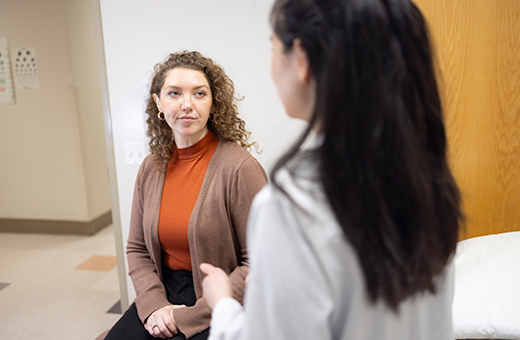
Before your surgery, we will review your medical history and may order lab or imaging tests. We explain when to fast and take medications before surgery and answer all your questions to help you feel at ease.
-

Day of Your Surgery
When you arrive for your surgery, we take you to a prep area. You will change into a gown, and we place an intravenous (IV) line in your arm. You will receive general or local anesthesia to keep you comfortable.
-

After Your Surgery
We take you to a recovery area, where you gently wake from the anesthesia. Our team gives you instructions on home care, when to return to activities and any follow-up appointments. In many cases, you will go home the same day or the next day.
Awards and Recognitions
Ranked among the best in 6 specialties
A U.S. News & World Report best hospital in cancer care, cardiology, heart & vascular surgery, geriatrics, neurology & neurosurgery, orthopedics, and pulmonology & lung surgery.
Ranked among the nation’s best children’s hospitals
U.S. News & World Report ranked UC Davis Children’s Hospital among the best in pediatric nephrology, orthopedics*, and neonatology. (*Together with Shriners Children’s Northern California)
Ranked Sacramento’s #1 hospital
Ranked Sacramento’s #1 hospital by U.S. News, and recognized in 23 types of care including acute kidney failure, cancer care, cardiology, heart & vascular surgery, COPD, colon cancer surgery, diabetes, diabetes & endocrinology, ear, nose & throat surgery, gastroenterology & GI surgery, geriatrics, gynecological cancer surgery, heart arrhythmia, heart attack, heart failure, hip fracture, hip replacement, leukemia, lymphoma & myeloma, lung cancer surgery, neurology & neurosurgery, orthopedics, pneumonia, pulmonology & lung surgery and stroke.
The nation’s highest nursing honor
UC Davis Medical Center has received Magnet® recognition, the nation’s highest honor for nursing excellence.
World-class cancer care
One of ~59 U.S. cancer centers designated “comprehensive” by the National Cancer Institute.

A leader in health care equality
For the 13th consecutive year, UC Davis Medical Center has been recognized as an LGBTQ+ Healthcare Equality Leader by the educational arm of America’s largest civil rights organization.
Latest Surgery News
-
JULY 09, 2026
Early SCFE diagnosis saves child from hip complications
-
JULY 01, 2026
Transplant Center expands access to care for veterans
-
JUNE 18, 2026
“Stool School” helps parents master infant ostomy care