
Ocular Pathology
Our specialists have advanced training in complex eye conditions. Trust our team to deliver you a timely, accurate diagnosis so you can get the care you need.
Medically reviewed by Andrew Nelson on May 01, 2026.
Advanced Diagnostics for Complex Eye Conditions
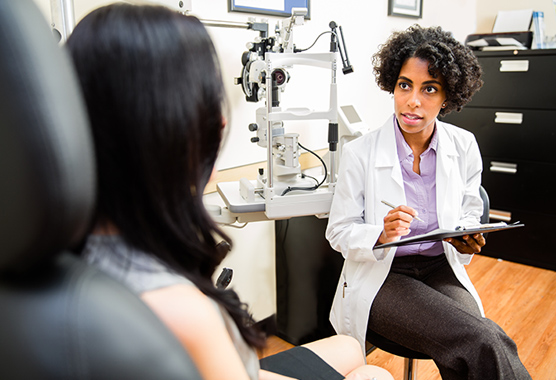
Ocular pathologists are experts in diagnosing eye conditions and disorders. At UC Davis Health, our Eye Center team includes specialty-trained ocular pathologists. They use advanced diagnostic tests to give you accurate and timely diagnoses for complex conditions. We also offer second opinions for prior tissue diagnoses.
Our experts use microscopes and advanced lab tests to evaluate tissue on a cellular level. These tests may include special stains highlight cellular or tissue features or genetic tests to look for changes in your DNA. This helps us detect a variety of eye conditions, including retinal diseases, eyelid disorders and eye and vision-related cancer. With a precise diagnosis, our eye team can begin a personalized treatment plan for your specific condition.
On this page
Ocular Pathology Techniques
Our ocular pathologists use a range of advanced laboratory tests and techniques to examine your eye tissue and provide a precise diagnosis.
Gross and Microscopic Examination
Ocular pathologists use both gross examination, which looks at tissue with the naked eye, and microscopic examination of tissue that is fixed and embedded in wax to detect eye conditions.
Immunohistochemical Markers
Our pathologists apply special proteins called antibodies to a small sample of eye tissue. The way these proteins react to the tissue helps us diagnose certain eye disorders.
Conventional Histopathology
Pathologists test a small section of eye tissue with a chemical dye to look for signs of disease.
Special Tissue Stains
Special stains are lab tests that help pathologists see certain cells or materials in an eye tissue sample that conventional histopathology might miss.
Request an Appointment
As Sacramento's No. 1 hospital, you'll benefit from unique advantages in primary care and specialty care. This includes prevention, diagnosis and treatment options from experts in 150 specialties.
Referring Physicians
To refer a patient, submit an electronic referral form or call.
Patients
Call to make an appointment.
Consumer Resource Center
Preparing for an Eye Biopsy
During an eye biopsy, an ophthalmologist takes a sample of fluid or tissue from your eye using a thin needle or surgical tool. We carefully do this procedure to get information your provider needs to help you feel better. The type of biopsy you need depends on your symptoms or concerns.
-
Before Your Eye Biopsy
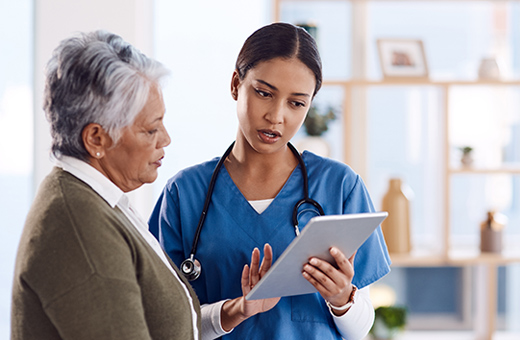
Depending on the test, you may receive a local anesthetic to numb your eye or general anesthetic to put you to sleep. Your care team will give you specific instructions to prepare for your procedure and make you feel comfortable and supported.
-
During the Procedure
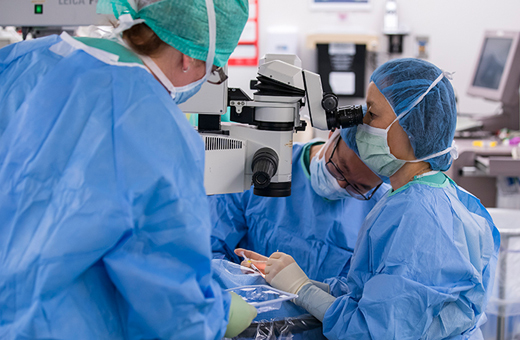
Your ophthalmologist extracts a tissue or fluid sample. If you have a local anesthetic, you will be awake, but you won’t feel discomfort.
-
Getting Your Results
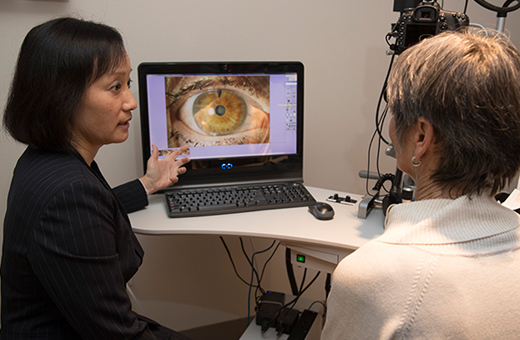
Your ophthalmologist sends the sample to a lab for testing. Our ocular pathologist examines the tissue and sends the results to your specialist. Your ophthalmologist will explain the diagnosis and your treatment options.
Home Care After Your Test
Most people go home the day of the procedure. It’s normal to feel some discomfort or have blurred vision. Your care team will provide specific home care instructions and support you as you recover.
Eye Drops
We may recommend you use eye drops for up to a few weeks after surgery. The drops can reduce eye redness, swelling and risk of infection.
Driving
Some procedures temporarily affect your vision. Your physician will discuss when you can start driving.
Medication
Your ophthalmologist may recommend over-the-counter pain medication for a few days if you feel discomfort after the procedure.
Awards and Recognitions
Ranked among the best in 6 specialties
A U.S. News & World Report best hospital in cancer care, cardiology, heart & vascular surgery, geriatrics, neurology & neurosurgery, orthopedics, and pulmonology & lung surgery.
Ranked among the nation’s best children’s hospitals
U.S. News & World Report ranked UC Davis Children’s Hospital among the best in pediatric nephrology, orthopedics*, and neonatology. (*Together with Shriners Children’s Northern California)
Ranked Sacramento’s #1 hospital
Ranked Sacramento’s #1 hospital by U.S. News, and recognized in 23 types of care including acute kidney failure, cancer care, cardiology, heart & vascular surgery, COPD, colon cancer surgery, diabetes, diabetes & endocrinology, ear, nose & throat surgery, gastroenterology & GI surgery, geriatrics, gynecological cancer surgery, heart arrhythmia, heart attack, heart failure, hip fracture, hip replacement, leukemia, lymphoma & myeloma, lung cancer surgery, neurology & neurosurgery, orthopedics, pneumonia, pulmonology & lung surgery and stroke.
The nation’s highest nursing honor
UC Davis Medical Center has received Magnet® recognition, the nation’s highest honor for nursing excellence.
World-class cancer care
One of ~59 U.S. cancer centers designated “comprehensive” by the National Cancer Institute.

A leader in health care equality
For the 13th consecutive year, UC Davis Medical Center has been recognized as an LGBTQ+ Healthcare Equality Leader by the educational arm of America’s largest civil rights organization.
Latest Eye Health News
