
Cataract Surgery
Our advanced cataract surgery techniques include no-injection, no-stitch, dropless and laser-assisted procedures. We also have numerous advanced technology lens implants that can greatly reduce your need for glasses. Our cataract surgeons specialize in treating complex cataracts and high-risk cases.
Medically reviewed by Jeffrey Caspar, M.D. on July 02, 2026.
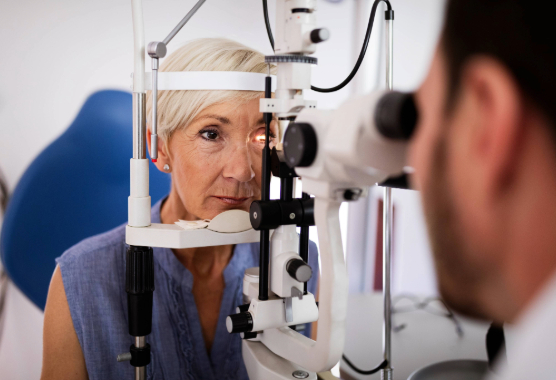
The Latest Techniques for Cataract Surgery
At the UC Davis Eye Center, our ophthalmologists specialize in advanced surgical techniques to remove cataracts and improve your vision.
When the lens of your eye develops a cataract, your eyesight may become cloudy and less clear. During cataract surgery we replace the cloudy lens with an artificial one, called an intraocular lens (IOL). The new lens should improve your vison, often significantly. Lenses are available that can treat astigmatism as well at trifocal and extended depth of focus lenses. These lenses can often greatly reduce or even eliminate your need for glasses after surgery. Be sure to discuss such options with your surgeon to see if you are a candidate.
Our experts are skilled at handling even the most complex cataract surgeries. Using advanced techniques, they can deliver the best possible outcomes for patients with high-risk conditions.
Cataract Surgery Techniques
Our expert ophthalmologists use the latest surgical techniques to safely remove cataracts. Advanced procedures and lens implants allow for faster healing and more precise vision correction, often greatly reducing or eliminating the need for glasses.
No-Injection/No-Stitch Surgery
Instead of anesthetic injections before surgery, we use topical numbing eye drops. This no-needle approach is safer and more comfortable. We perform the surgery with a tiny, less than a tenth of an inch incision that self-seals, eliminating the need for stitches.
Laser-Assisted Surgery
Laser assisted cataract surgery can perform steps of the surgery using a high-resolution, image-guided laser, providing more precision than conventional cataract surgery. The laser can also treat astigmatism, all with the goal of providing you with the best possible vision. Ask your surgeon if you may be a candidate for this technology.
Advanced Extraction Techniques
We use advanced extraction techniques to safely remove the cataract through a very tiny incision. We use a state-of-the-art, 4D ultrasonic phacoemulsifier to remove the cataract and replace it with an artificial lens providing your better, clearer vision.
Combination Eye Surgeries
Our experts can remove cataracts during a surgery that also addresses other corneal or retinal diseases. This allows us to treat multiple eye conditions in a single procedure if needed.
Request an Appointment
As Sacramento's No. 1 hospital, you'll benefit from unique advantages in primary care and specialty care. This includes prevention, diagnosis and treatment options from experts in 150 specialties.
Referring Physicians
To refer a patient, submit an electronic referral form or call.
Patients
Call to make an appointment.
Consumer Resource Center
Preparing for Cataract Surgery
Cataract surgery is a minimally invasive, outpatient procedure performed in an outpatient surgery center. If you have cataracts in both eyes, we most commonly will perform surgery in one eye at a time, typically a few weeks apart, to allow time for healing in between.
-
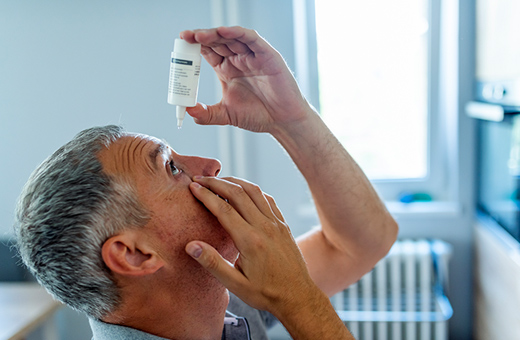
Before Your Cataract Surgery
Prior to scheduling your cataract surgery, your ophthalmologist will take precise measurements of your eyes. This helps them select the correct intraocular lens to restore your vision. You’ll need to use prescription eye drops leading up to the surgery to help prevent infection. You may have to stop taking certain medications and not eat or drink anything for several hours before surgery.
-
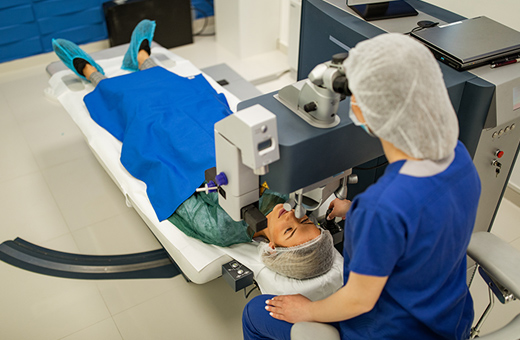
During Cataract Surgery
We’ll apply anesthetic drops to your eye, so you won’t feel any pain. You’ll be awake but relaxed during cataract surgery and fully monitored by our anesthesia department to make the procedure easy, safe and to provide you with the best surgical outcome. Specialty lenses can provide you with distance, mid and near vision, greatly reducing or possibly eliminating your need for glasses.
-

After Your Cataract Surgery
You’ll spend about 15 minutes in a recovery area once the surgery is complete. Then you’ll be able to go home, but you won’t be able to drive, so someone else will need to drive for you. You’ll need to wear a protective shield over your eye until the next morning. Your vision will likely be blurry immediately after surgery, and you may be more sensitive to light as you recover.
Home Care
It takes four to six weeks for your eye to heal completely, but within a few days after surgery, most discomfort and light sensitivity should start to go away. Once your eye has fully healed, your ophthalmologist can fit you for new prescription glasses or contacts if needed.
Protect Your Eye
Be careful with your eye while it’s healing. Don’t touch it unnecessarily. Try not to get water or soap in your eye when showering.
Use Your Prescription Eye Drops
Follow your doctor’s instructions for how often and how long to use your post-surgery eye drops. This is important to help prevent infection and speed healing. For those who have difficulty with drops, there are ways we can often eliminate the need for drops after surgery. Be sure to ask your surgeon if you are interested in this.
Avoid Strenuous Activity
Avoid lifting heavy objects or bending head below waist for the first week as this can increase pressure in the eye. You can generally return to most exercises within a week.
Awards and Recognitions
Ranked among the best in 6 specialties
A U.S. News & World Report best hospital in cancer care, cardiology, heart & vascular surgery, geriatrics, neurology & neurosurgery, orthopedics, and pulmonology & lung surgery.
Ranked among the nation’s best children’s hospitals
U.S. News & World Report ranked UC Davis Children’s Hospital among the best in pediatric nephrology, orthopedics*, and neonatology. (*Together with Shriners Children’s Northern California)
Ranked Sacramento’s #1 hospital
Ranked Sacramento’s #1 hospital by U.S. News, and recognized in 23 types of care including acute kidney failure, cancer care, cardiology, heart & vascular surgery, COPD, colon cancer surgery, diabetes, diabetes & endocrinology, ear, nose & throat surgery, gastroenterology & GI surgery, geriatrics, gynecological cancer surgery, heart arrhythmia, heart attack, heart failure, hip fracture, hip replacement, leukemia, lymphoma & myeloma, lung cancer surgery, neurology & neurosurgery, orthopedics, pneumonia, pulmonology & lung surgery and stroke.
The nation’s highest nursing honor
UC Davis Medical Center has received Magnet® recognition, the nation’s highest honor for nursing excellence.
World-class cancer care
One of ~59 U.S. cancer centers designated “comprehensive” by the National Cancer Institute.

A leader in health care equality
For the 13th consecutive year, UC Davis Medical Center has been recognized as an LGBTQ+ Healthcare Equality Leader by the educational arm of America’s largest civil rights organization.
Latest Eye Health News
