Dermatologic Surgery
Our knowledgeable surgeons treat both cancerous and non-cancerous skin growths. We’re here to support your health.
Medically reviewed by Daniel Eisen, M.D. on Aug. 12, 2026.
Advanced Approaches to Dermatologic Surgery
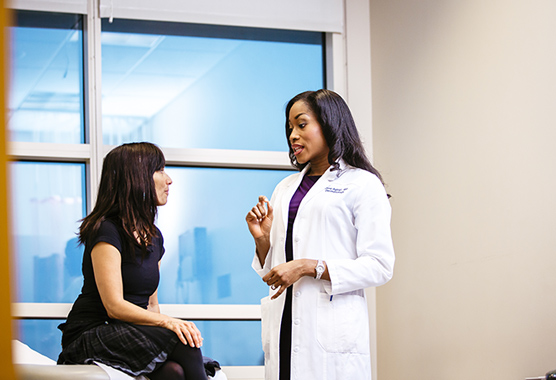
At UC Davis Health, experts at our Department of Dermatology offer advanced dermatologic surgical treatments to remove both cancerous (malignant) and non-cancerous (benign) skin growths. Our compassionate surgeons provide personalized care to keep your skin as healthy as possible.
On this page
Types of Dermatologic Surgery
You may have a skin growth at some point in your life, but it is not always cause for concern. Skin growths can be either cancerous (malignant) or non-cancerous (benign). Some growths may also be precancerous, such as actinic keratosis, which are scaly patches found on sun-damaged skin.
Skin cancer is the most common cancer diagnosis in the United States. However, doctors can treat or cure most types if they detect skin cancer in its early stages. The most common types of skin cancer include:
- Basal cell carcinoma
- Melanoma
- Merkel cell carcinoma
- Squamous cell carcinoma
- Dermatofibrosarcoma protuberans
- Atypical fibroxanthoma
- Pleomorphic dermal sarcoma
- Sebaceous carcinoma
The most common types of non-cancerous skin growths include:
- Atypical (dysplastic) nevus (moles)
- Cysts
- Lipomas
We offer many types of dermatologic surgery. Your doctor will help determine the right surgery to treat your specific condition.
Cryosurgery
During cryosurgery, we freeze skin growths with liquid nitrogen. The treated area becomes temporarily red and peels off in one to two weeks. We use cryosurgery for many types of benign skin growths.
Curettage and Electrosurgery
We scrape skin growths with a dull instrument (curettage) and then use heat from an electric current to destroy diseased tissue (electrosurgery). We focus on the skin growth, as well as a margin of surrounding tissue, with this combination of curettage and electrosurgery. We use this surgery for basal cell carcinoma and squamous cell carcinoma in-situ, as well as benign skin growths.
Mohs Micrographic Surgery
During Mohs surgery, your surgeon cuts away the cancer and examines it under a microscope. Your surgeon will keep removing tissue and checking it until the cancer is completely removed. We use Mohs to remove skin cancers of the head, face and neck, as well as other aggressive types of skin cancers in any location.
Laser Resurfacing and Chemical Peels
We apply a chemical (alpha or beta hydroxy acids) or use laser light to treat and remove precancerous growths and some superficial cancerous growths, especially on your face, scalp and lips. After this treatment, your skin heals quickly, though common side effects include redness, mild swelling and skin peeling.
Photodynamic Therapy
During photodynamic therapy (PDT), we treat your skin growth with a medicine sensitive to light (photosensitizing agent). Then we expose this area to light, which safely shrinks or destroys the growths. We use PDT for precancerous growths, basal cell carcinoma and squamous cell carcinoma.
Radiation Therapy
Radiation therapy (RT) uses high-energy rays to destroy, shrink or slow the growth of cancer cells. We often use RT to treat tumors that are large or in locations difficult to treat with surgery or in patients who can’t safely undergo surgery. We can treat cancer cells with RT alone or in combination with other treatments.
Surgical Excision
We use surgical excision to remove the skin growth along with a margin of surrounding tissue for testing. Surgical excision treats most types of skin cancer as well as benign growths, except on your head, face or neck. We may also use it to remove and test (biopsy) suspicious growths.
Request an Appointment
As Sacramento's No. 1 hospital, you'll benefit from unique advantages in primary care and specialty care. This includes prevention, diagnosis and treatment options from experts in 150 specialties.
Referring Physicians
To refer a patient, submit an electronic referral form or call.
Patients
Call to make an appointment.
Consumer Resource Center
Preparing for Dermatologic Surgery
We want to make sure that you’re well-informed and comfortable with the procedure you’ll be having. Our surgical team is here to answer any questions you have before surgery.
-

Before Surgery
A dermatologic surgeon will consult with you to decide the best type of treatment. Be sure to eat well and take all your medications before surgery. Your surgeon will give you specific instructions depending on what type of surgery you’ll have, including the risks and recovery time.
-
During Surgery
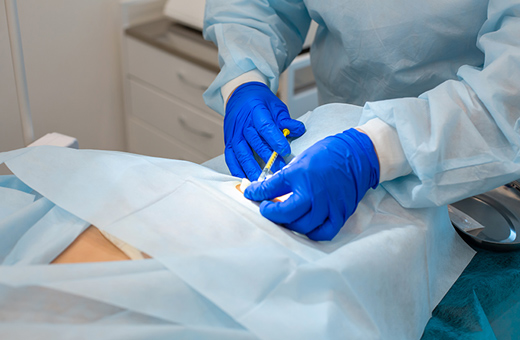
The procedure we use varies based on what type of surgery you have. You will be awake during the surgery. We use local anesthesia to numb the area we treat.
-

After Surgery
You can usually go home the same day as the surgery. You may want to bring someone with you to help you get home.
Home Care
You should take time to heal when you return home. Your care team will give you instructions to assist in your recovery.
Get More Rest
Be sure to take it easy if you feel pain or fatigue while you are recovering.
Reduce Activity
You will need to rest for one or two weeks after surgery while you are healing.
Use Medications
Take pain medications as prescribed by your provider.
Awards and Recognitions
Ranked among the best in 6 specialties
A U.S. News & World Report best hospital in cancer care, cardiology, heart & vascular surgery, geriatrics, neurology & neurosurgery, orthopedics, and pulmonology & lung surgery.
Ranked among the nation’s best children’s hospitals
U.S. News & World Report ranked UC Davis Children’s Hospital among the best in pediatric nephrology, orthopedics*, and neonatology. (*Together with Shriners Children’s Northern California)
Ranked Sacramento’s #1 hospital
Ranked Sacramento’s #1 hospital by U.S. News, and recognized in 23 types of care including acute kidney failure, cancer care, cardiology, heart & vascular surgery, COPD, colon cancer surgery, diabetes, diabetes & endocrinology, ear, nose & throat surgery, gastroenterology & GI surgery, geriatrics, gynecological cancer surgery, heart arrhythmia, heart attack, heart failure, hip fracture, hip replacement, leukemia, lymphoma & myeloma, lung cancer surgery, neurology & neurosurgery, orthopedics, pneumonia, pulmonology & lung surgery and stroke.
The nation’s highest nursing honor
UC Davis Medical Center has received Magnet® recognition, the nation’s highest honor for nursing excellence.
World-class cancer care
One of ~59 U.S. cancer centers designated “comprehensive” by the National Cancer Institute.

A leader in health care equality
For the 13th consecutive year, UC Davis Medical Center has been recognized as an LGBTQ+ Healthcare Equality Leader by the educational arm of America’s largest civil rights organization.
Latest Dermatology News