Electromyography (EMG)
At our electromyography (EMG) lab, you benefit from expert EMG and nerve conduction tests that aid neuromuscular disorder care.
Medically reviewed by Ricardo Maselli, M.D. and Ge Xiong, M.D. on July 08, 2026.
Specialized EMG Testing
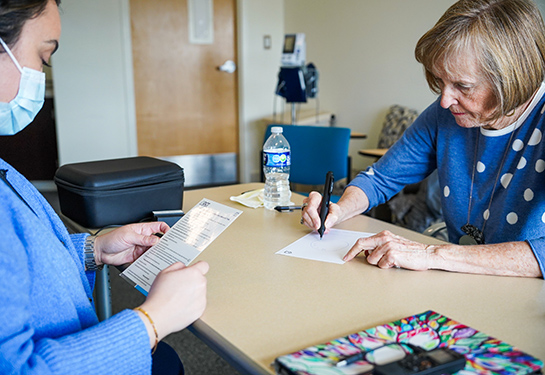
We know that getting neuromuscular tests can be stressful. Our expertise in performing thousands of tests on children and adults every year means we know how to ensure comfort while getting accurate results.
Our EMG laboratory earned exemplary status in its accreditation from the American Association of Neuromuscular and Electrodiagnostic Medicine (AANEM). This highest-level designation means you undergo testing with board-certified neurologists who have deep expertise performing EMGs with compassionate care.
On this page
Comprehensive Nerve and Muscle Tests
An electromyogram (EMG) is a test to assess how your muscles respond to nerve signals. Your nerves send signals to your muscles that cause movements you control (voluntary) and that happen naturally (involuntary). Neuromuscular disorders can affect these signals.
- EMGs help our experts diagnose and treat all types of neuromuscular disorders, including:
- Myasthenia gravis and Lambert-Eaton syndrome
- Myopathies (including muscular dystrophy, MD) and myositis
- Radiculopathy (nerve root impingement)
- Peripheral neuropathy, including entrapment neuropathies like carpal tunnel syndrome and other neuropathies
- Plexus disorders (plexopathies), including brachial plexus injury
- Traumatic nerve injuries
We often perform EMGs and nerve conduction tests together to help us give you the clearest diagnosis of neuromuscular disorders. These electrodiagnostic tests help assess the health of your nerves and muscles. We offer all types of electrodiagnostic tests in our accredited EMG lab.
EMG
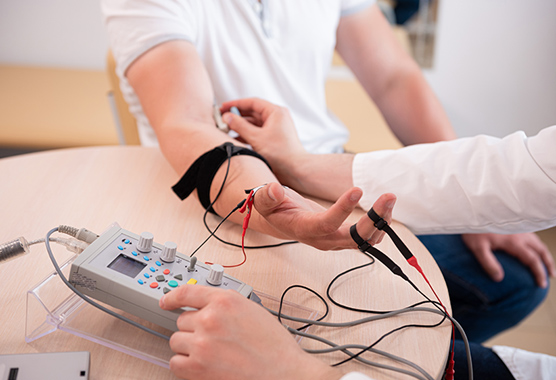
A provider inserts thin needles with electrical conductors (electrodes) through your skin then into muscle. The electrical activities of your muscles at rest and when you move will be measured.
Single-Fiber EMG
A single-fiber EMG assesses the connection (neuromuscular junction) that allows your nerves to send signals to your muscles. This test helps determine the cause of muscle weakness or fatigue when other test findings aren’t clear.
Nerve Conduction Study (NCS)
A nerve conduction study helps diagnose problems with peripheral nerves that control your sensation and movements of muscles. Small disks (electrodes) taped to your skin send safe electrical impulses to your nerves. The test measures how fast and well these impulses travel through your nerves.
Repetitive Nerve Stimulation Study
A repetitive nerve stimulation study assesses how well electrical impulses travel through the neuromuscular junction (the connection between your nerves and muscles). The test repeatedly stimulates several nerves to help determine the transmission between nerves and muscles. It may take place at the same time as an EMG and nerve conduction study.
Request an Appointment
As Sacramento's No. 1 hospital, you'll benefit from unique advantages in primary care and specialty care. This includes prevention, diagnosis and treatment options from experts in 150 specialties.
Referring Physicians
To refer a patient, submit an electronic referral form or call.
Patients
Call to make an appointment.
Consumer Resource Center
What to Expect During an EMG
We usually do EMGs after a nerve conduction study at our dedicated EMG lab. An EMG/nerve conduction procedure can take 60 to 90 minutes. Your care team will explain what to expect and how to prepare.
-
Before an EMG
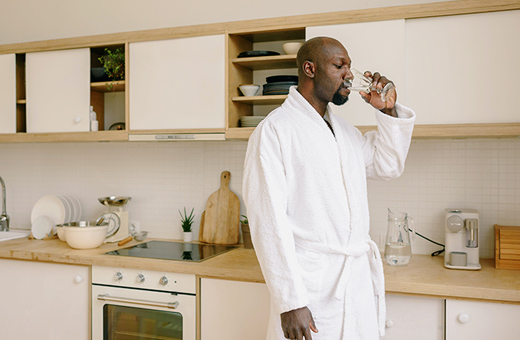
You should shower before an EMG to remove body oils, but don’t apply lotions, creams, oils or scented products. You may need to stop taking certain medications. Let your care team know if you’re taking blood thinners or have an electrical medical device like a pacemaker.
-
During an EMG
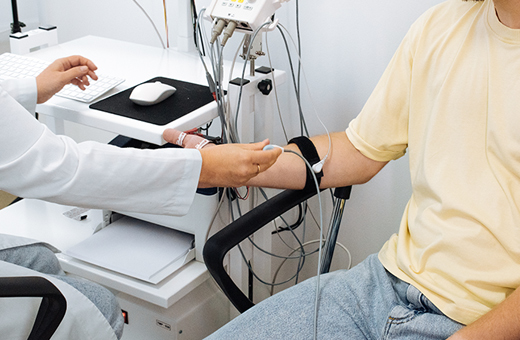
You recline on an exam table or chair while a neurologist inserts thin electrodes through your skin and into muscle. You relax or contract muscles while a machine measures your muscle’s electrical activity and records sound when your muscles contract. Your provider may insert electrodes into several different muscles.
-
After an EMG
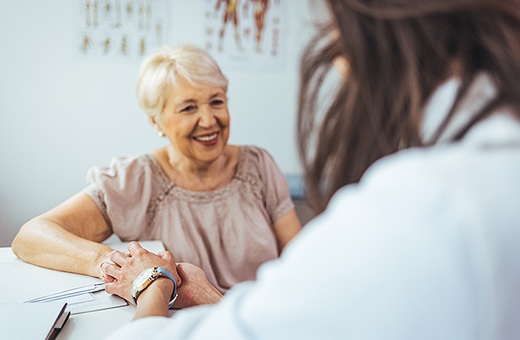
You may have muscle soreness or slight bruising for a few days after the test. Your provider may recommend an over-the-counter pain reliever.
About EMGs
A board-certified neurologist who specializes in nerve and muscle disorders conducts EMGs and reviews your results. We’ll schedule a follow-up appointment to go over the findings with you and discuss next steps.
EMG Risks
EMGs are safe. You may have mild pain when the provider inserts the electrodes. You may also have mild bleeding and bruising after the test, especially if you take blood-thinning medications.
EMG Results
An EMG helps find problems with your muscles during rest and activity. When combined with other tests, EMG results can aid diagnosis and treatment decisions.
Next Steps
When your EMG test indicates a neuromuscular issue, you can trust our Neuromuscular Disease Clinic to offer exceptional care. We have one of the country’s largest myasthenia gravis clinics and the only Muscular Dystrophy Association (MDA) Care Center in the Sacramento area. MDA Care Centers have dedicated experts skilled in neuromuscular disease diagnoses and treatments.
Awards and Recognitions

Ranked among the best in 6 specialties
A U.S. News & World Report best hospital in cancer care, cardiology, heart & vascular surgery, geriatrics, neurology & neurosurgery, orthopedics, and pulmonology & lung surgery.

Ranked among the nation’s best children’s hospitals
U.S. News & World Report ranked UC Davis Children’s Hospital among the best in pediatric nephrology, orthopedics*, and neonatology. (*Together with Shriners Children’s Northern California)

Ranked Sacramento’s #1 hospital
Ranked Sacramento’s #1 hospital by U.S. News, and recognized in 23 types of care including acute kidney failure, cancer care, cardiology, heart & vascular surgery, COPD, colon cancer surgery, diabetes, diabetes & endocrinology, ear, nose & throat surgery, gastroenterology & GI surgery, geriatrics, gynecological cancer surgery, heart arrhythmia, heart attack, heart failure, hip fracture, hip replacement, leukemia, lymphoma & myeloma, lung cancer surgery, neurology & neurosurgery, orthopedics, pneumonia, pulmonology & lung surgery and stroke.
The nation’s highest nursing honor
UC Davis Medical Center has received Magnet® recognition, the nation’s highest honor for nursing excellence.
World-class cancer care
One of ~59 U.S. cancer centers designated “comprehensive” by the National Cancer Institute.

A leader in health care equality
For the 13th consecutive year, UC Davis Medical Center has been recognized as an LGBTQ+ Healthcare Equality Leader by the educational arm of America’s largest civil rights organization.
Latest Neurological News