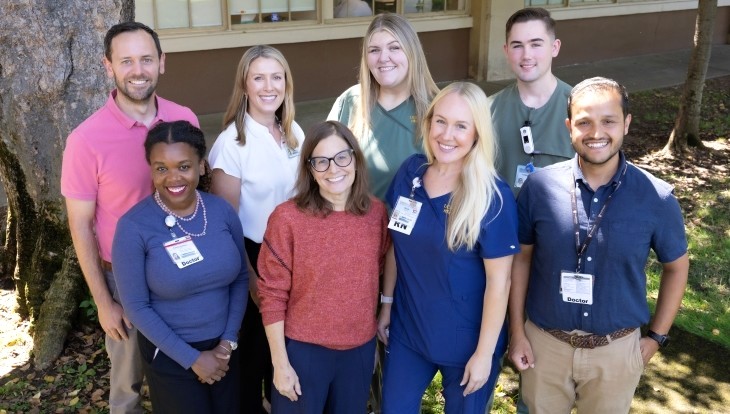
"Treatment-resistant depression can be devastating, affecting every aspect of a person's life, including relationships, work and physical health," said Debra Kahn, a psychiatrist and medical director of the APT clinic. "Many patients come to us after years of trying medications and psychotherapy without sufficient relief. SAINT offers a new option that may help patients experience meaningful improvement much more quickly."
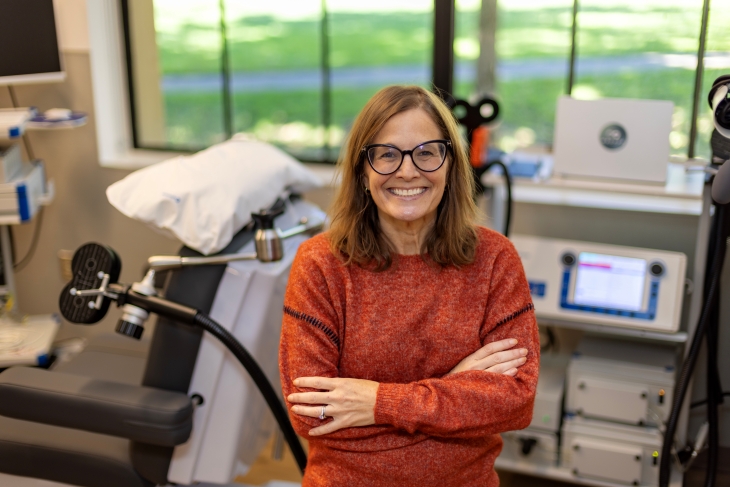
For Medical Director Debra Kahn, SAINT offers a new option that may help patients with treatment-resistant depression recover more quickly.
Depression at historically high levels in U.S.
A 2025 Gallup poll found the percentage of U.S. adults who reported currently having or being treated for depression was 18.3% — a historically high number. According to 2025 data from the Centers for Disease Control, the prevalence of depression has increased about 60% in the past decade. Of the people being treated for depression, nearly one-third experience treatment-resistant depression, which is when the symptoms persist despite trying multiple medications.
Like traditional TMS, SAINT delivers magnetic stimulation to the brain, but the treatment differs in several ways. Before treatment, each patient's unique brain connectivity is mapped using a non-invasive imaging technique known as fMRI. The mapping lets the team identify optimal areas in the brain for treatment and create personalized targets for each patient.
And while traditional TMS is typically delivered once daily over six weeks or longer, SAINT uses an accelerated protocol, providing 10 treatment sessions per day over five consecutive days.
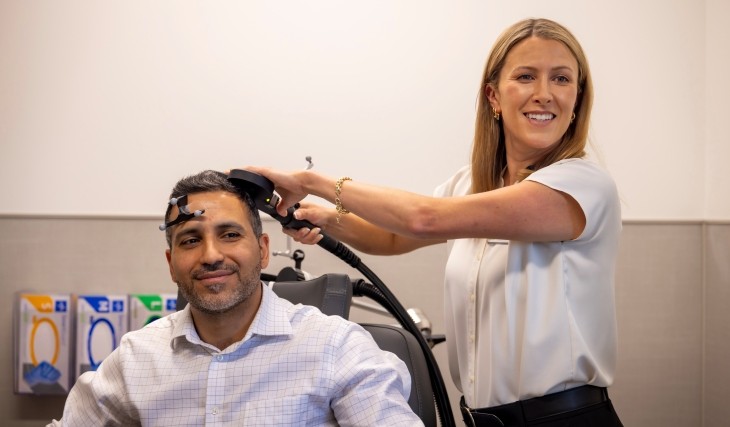
Psychiatrist Katharine Marder, at right, receives SAINT training at the APT clinic in East Sacramento.
‘Treatment-resistant’ does not mean untreatable
"Patients need to know that treatment-resistant does not mean untreatable,” said Katharine Marder, a psychiatrist at the APT clinic.
She notes that treatment-resistant depression can occur for many reasons. Factors such as underlying medical conditions, anxiety disorders, genetic factors and previous trauma may all contribute to depression that is more difficult to treat.
“The field of interventional psychiatry is advancing rapidly, and we now have more tools than ever before to help patients who have exhausted traditional options. Our goal is to match each patient with the treatment most likely to help them regain their quality of life," Marder said.
Treatment options for depression greatly expanded
Helen Kales is a psychiatrist and chair of the Department of Psychiatry and Behavioral Sciences.
“With the launch of our electroconvulsive clinic at 48X in July, and now the addition of SAINT in the APT clinic in East Sacramento, we have greatly expanded the options available to people who have often exhausted traditional treatments,” Kales said. "I am deeply grateful to everyone whose persistence and hard work helped bring these services to our community, and to the amazing clinical teams who provide exceptional care to patients and families every day."
Patients interested in learning whether SAINT may be appropriate for them can find more information on the department’s Mood Disorders and Depression web page.