Urodynamic Testing
We offer comprehensive testing to accurately diagnose urinary conditions. We focus on your comfort at every step.
Medically reviewed by Jennifer Rothschild, M.D. on June 12, 2026.

What Is Urodynamic Testing?
Urodynamic testing is a group of procedures we use to find out how well your urinary system stores and releases urine. These tests can show problems in your lower urinary tract, which includes your bladder, ureters (tubes that connect kidneys and bladder) and sphincters (ring-shaped muscles that open and close your ureters).
Our experienced team performs the most advanced urodynamic tests so you get detailed, accurate results. We explain the process and provide compassionate care to help you feel at ease.
On this page
Types of Urodynamic Tests
We provide the full range of urodynamic tests to diagnose urinary problems including incontinence, trouble urinating and frequent urinary tract infections (UTIs).
Cystometrogram
This test measures how much urine your bladder can hold and pressure inside your bladder. It also measures how full your bladder is when you start feeling the urge to urinate.
Electromyography
Electromyography uses sensors to measure the electrical activity of the muscles and nerves in and around your bladder and sphincters. Results can show whether your bladder and pelvic floor muscles are receiving coordinated messages from your nerves.
Pressure Flow Study
This measures how much pressure your bladder needs to urinate and how quickly your urine flows at that pressure. A pressure flow study can help identify blockages caused by prostate enlargement, pelvic organ prolapse or other issues.
Postvoid Residual Measurement
You have this test after you finish urinating to show how much urine is still in your bladder. We may combine this test with an ultrasound to get images of the bladder.
Uroflowmetry
Uroflowmetry measures how fast urine comes out of your bladder. This test examines the strength of your bladder muscles and shows whether you have a blockage that interferes with urination.
Fluoroscopy
Radiographic images of bladder filing and voiding are captured with radiographic imaging.
Request an Appointment
As Sacramento's No. 1 hospital, you'll benefit from unique advantages in primary care and specialty care. This includes prevention, diagnosis and treatment options from experts in 150 specialties.
Referring Physicians
To refer a patient, submit an electronic referral form or call.
Patients
Call to make an appointment.
Consumer Resource Center
Preparing for Urodynamic Testing
You may eat and drink as usual before your test unless your health care provider has given you different instructions. Continue taking your regular medications unless specifically told otherwise.
-
Before Your Test
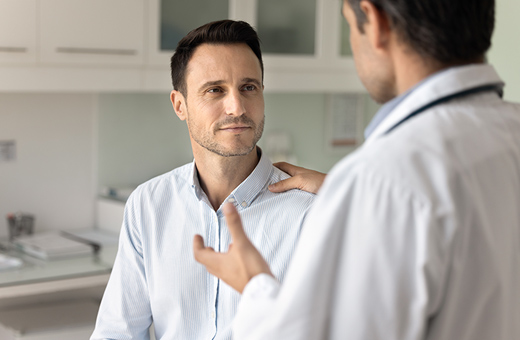
We will provide you with a gown and draping for your privacy and comfort. Plan for your appointment to take 1-2 hours. While the test itself typically takes 30-60 minutes, we need additional time for preparation and post-procedure instructions.
-
During Your Test
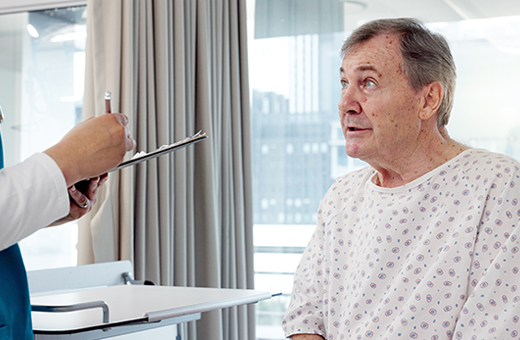
A specially trained nurse or technician will perform your test in a private examination room. If your test requires a urinary catheter, we provide local anesthesia. Throughout the test, your care team will explain each step and ensure your comfort.
-
Getting Your Results
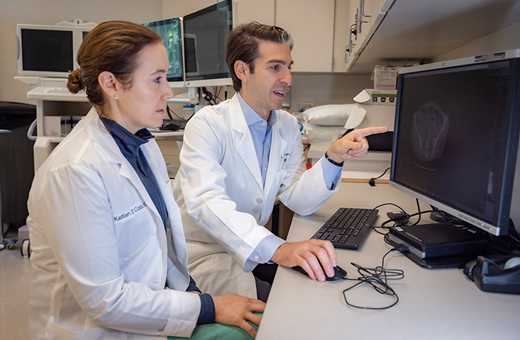
We carefully analyze your results and send them to your referring provider, who may contact you to discuss them. They will explain what the findings mean and next steps for your treatment.
Home Care After Your Urodynamic Test
In most cases, you can resume your usual activities after your urodynamic test. If you have mild discomfort or burning with urination, try these tips for relief.
Drink Fluids
Drink plenty of water or non-caffeinated beverages after your test. Try for eight glasses of fluids each day.
Apply Warm Compresses
Applying a clean, warm washcloth to your urethra can relieve temporary discomfort.
Get Follow-Up Care
Attend any follow-up appointments with your referring provider to ensure you receive proper care.
Awards and Recognitions

Ranked among the best in 6 specialties
A U.S. News & World Report best hospital in cancer care, cardiology, heart & vascular surgery, geriatrics, neurology & neurosurgery, orthopedics, and pulmonology & lung surgery.

Ranked among the nation’s best children’s hospitals
U.S. News & World Report ranked UC Davis Children’s Hospital among the best in pediatric nephrology, orthopedics*, and neonatology. (*Together with Shriners Children’s Northern California)

Ranked Sacramento’s #1 hospital
Ranked Sacramento’s #1 hospital by U.S. News, and recognized in 23 types of care including acute kidney failure, cancer care, cardiology, heart & vascular surgery, COPD, colon cancer surgery, diabetes, diabetes & endocrinology, ear, nose & throat surgery, gastroenterology & GI surgery, geriatrics, gynecological cancer surgery, heart arrhythmia, heart attack, heart failure, hip fracture, hip replacement, leukemia, lymphoma & myeloma, lung cancer surgery, neurology & neurosurgery, orthopedics, pneumonia, pulmonology & lung surgery and stroke.

The nation’s highest nursing honor
UC Davis Medical Center has received Magnet® recognition, the nation’s highest honor for nursing excellence.

World-class cancer care
One of ~59 U.S. cancer centers designated “comprehensive” by the National Cancer Institute.

A leader in health care equality
For the 13th consecutive year, UC Davis Medical Center has been recognized as an LGBTQ+ Healthcare Equality Leader by the educational arm of America’s largest civil rights organization.
Latest Urology News