Dermatology
Skin Inflammation
You don’t have to live with chronic skin inflammation. Find expert care and lasting relief with the region’s leading dermatologists at UC Davis Health.
Medically reviewed by Samuel Hwang on June 11, 2026.
Specialty Care for Skin Inflammation
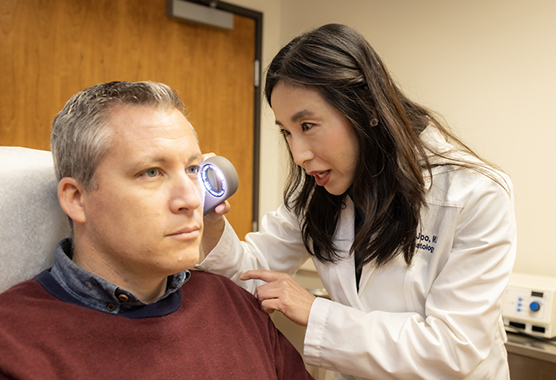
At UC Davis Health, our board-certified dermatologists treat all types of skin inflammation. We offer specialty clinics for psoriasis and many other conditions. You receive all the care you need in one place, with access to the latest tests and treatments.
On this page
What Is Skin Inflammation?
Skin inflammation is your immune system’s way of protecting your skin against harmful conditions such as infections, allergens and bacteria. It’s similar to having a fever when your body is fighting an illness.
If you have skin inflammation, you may experience rashes, redness, itching, pain and other symptoms.
The most common types of inflammatory skin conditions include:
- Acne: Acne (pimples) occurs due to blocked hair follicles or oil glands in the skin. Inflammatory acne causes painful cysts and bumps deep in the skin.
- Contact dermatitis: Contact dermatitis occurs when your skin touches an irritant or allergen. Common irritants include detergents, poison ivy and certain metals.
- Eczema: Eczema, or atopic dermatitis, is a broad term that describes an itchy, dry rash on your skin. The most common type is atopic dermatitis.
- Psoriasis: Psoriasis is a chronic skin condition that causes thick, scaly patches of skin called plaques. It’s an autoimmune skin disease. Your immune system attacks healthy cells by mistake and causes inflammation.
- Seborrheic dermatitis: Seborrheic dermatitis causes itchy or flaky patches on your scalp. It’s often the result of yeast overgrowth on your skin.
Symptoms of Skin Inflammation
Skin inflammation varies from person to person, based on the reason for the irritation. Inflammatory skin conditions may cause:
- Bumps or swelling
- Dry, itchy skin
- Fluid-filled blisters
- Scaly, flaky or cracked skin
- Skin that appears red or darker than the surrounding skin
- Skin that feels warm to the touch
Skin Inflammation Causes
Skin inflammation is an immune response to something your body perceives as harmful. In many cases, inflammation develops suddenly and goes away when the trigger, such as an allergen, is no longer present. But other forms of inflammation are chronic, or long-lasting. At UC Davis, we focus on finding the root cause of your skin inflammation so we can build an effective treatment plan.
The most common causes of skin inflammation include:
Allergens
The most common causes of allergic skin reactions are foods, drugs, pollen, pet dander, poison ivy and insect bites. Coming into contact with certain chemicals or metals can also lead to skin inflammation.
Autoimmune Skin Diseases
In addition to psoriasis, other autoimmune skin diseases can cause inflammation. Examples include lupus, scleroderma and psoriatic arthritis, which may also cause symptoms in other parts of the body.
Infections
Germs that enter openings in your skin can cause infections. Occasionally, viruses or bacteria may trigger autoimmune skin inflammation.
Skin Inflammation Risk Factors
You may be at a higher risk of skin inflammation due to:
Dry Skin
If you have naturally dry skin, you’re more likely to develop eczema. Dry skin can also crack open, which may lead to infections.
Environment
A job that puts you in contact with chemicals, detergents or other irritants also increases your risk.
Family History
Some inflammatory skin conditions, like psoriasis, are partially inherited, meaning you’re more likely to have them if your mother or father also has them.
Stress
Stress activates an immune response that increases inflammation throughout your body. Stress can trigger or worsen acne, psoriasis and eczema.
Diagnosing Inflammatory Skin Conditions
To diagnose an inflammatory skin condition, your healthcare provider examines your skin and asks about your symptoms. Consider taking photos of your skin condition before your visit in case you don’t have an active flare-up at the time of your appointment.
Tests for skin inflammation may include:
- Allergy tests to find out if you’re allergic to common irritants such as pet dander, pollen or dust
- Blood tests to check for health conditions that could trigger an immune response
- Skin biopsy to analyze a sample of skin cells for signs of disease or infection
At UC Davis Health, we have an on-site lab dedicated to testing and diagnosing dermatologic conditions. Dermatologists and pathologists work together to evaluate and deliver test results as quickly as possible, usually within 24 hours.
Treating Inflammatory Skin Conditions
The skilled dermatologists at UC Davis Health have extensive experience treating common and rare inflammatory skin conditions. Our participation in research and clinical trials means we’re at the forefront of the latest treatments for eczema, psoriasis and other conditions that can affect your quality of life.
Dermatologists work alongside other specialists, including endocrinologists, rheumatologists, immunologists and pathologists, to ensure you receive complete care.
Treatment for skin inflammation may include:
Avoiding Triggers
Try to avoid known triggers such as harsh detergents, hot water, extreme heat, allergens, scented skin products and stress. You can also eliminate eggs, nuts, soy and wheat from your diet, which are known to trigger skin inflammation in some people.
Topical Medication
We may recommend medicated ointments or creams for your skin. Topical steroids such as hydrocortisone or clobetasol calm your skin and reduce dryness, itching, flaking and irritation. Topical medication (applied to skin) is a common treatment for contact dermatitis.
Immune Therapies
Immune therapies, usually taken as a pill or injection, work throughout your body to reduce inflammation from the inside out. Biologics and immunosuppressants help keep your immune system from having an inflammatory response.
Light Therapy
We may recommend light therapy (phototherapy) for psoriasis, eczema and other types of skin inflammation. Light therapy uses ultraviolet light to relieve rashes and inflammation. Most people need multiple sessions.
Preventing Skin Inflammation
Sometimes there’s no way to prevent skin inflammation, but you can reduce your risk:
- Avoid hot baths or showers
- Avoid known allergens or triggers
- Moisturize your skin with fragrance-free cream
- Only use fragrance-free soaps and detergents
- Stay hydrated
- Wear loose-fitting cotton clothing
How common is it?
1 in 10People in the U.S. will develop eczema during their life
Source: National Eczema Association: Eczema Stats
Request an Appointment
As Sacramento's No. 1 hospital, you'll benefit from unique advantages in primary care and specialty care. This includes prevention, diagnosis and treatment options from experts in 150 specialties.
Referring Physicians
To refer a patient, submit an electronic referral form or call.
Patients
Call to make an appointment.
Consumer Resource Center
Awards and Recognitions

Ranked among the best in 6 specialties
A U.S. News & World Report best hospital in cancer care, cardiology, heart & vascular surgery, geriatrics, neurology & neurosurgery, orthopedics, and pulmonology & lung surgery.

Ranked among the nation’s best children’s hospitals
U.S. News & World Report ranked UC Davis Children’s Hospital among the best in pediatric nephrology, orthopedics*, and neonatology. (*Together with Shriners Children’s Northern California)

Ranked Sacramento’s #1 hospital
Ranked Sacramento’s #1 hospital by U.S. News, and recognized in 23 types of care including acute kidney failure, cancer care, cardiology, heart & vascular surgery, COPD, colon cancer surgery, diabetes, diabetes & endocrinology, ear, nose & throat surgery, gastroenterology & GI surgery, geriatrics, gynecological cancer surgery, heart arrhythmia, heart attack, heart failure, hip fracture, hip replacement, leukemia, lymphoma & myeloma, lung cancer surgery, neurology & neurosurgery, orthopedics, pneumonia, pulmonology & lung surgery and stroke.

The nation’s highest nursing honor
UC Davis Medical Center has received Magnet® recognition, the nation’s highest honor for nursing excellence.
World-class cancer care
One of ~59 U.S. cancer centers designated “comprehensive” by the National Cancer Institute.

A leader in health care equality
For the 13th consecutive year, UC Davis Medical Center has been recognized as an LGBTQ+ Healthcare Equality Leader by the educational arm of America’s largest civil rights organization.
Latest News