Rabies Explained: Symptoms, Transmission and Treatment
Rabies is nearly 100% fatal without intervention, but prompt care can save your life
Key takeaways
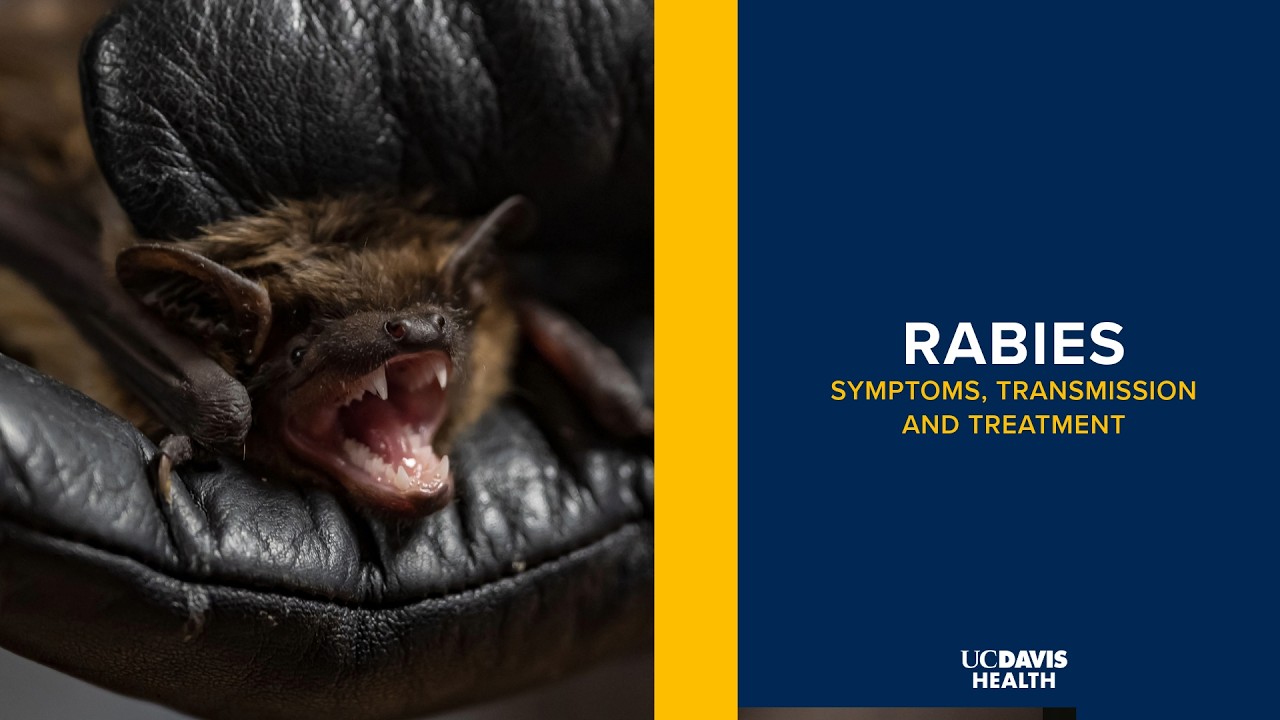
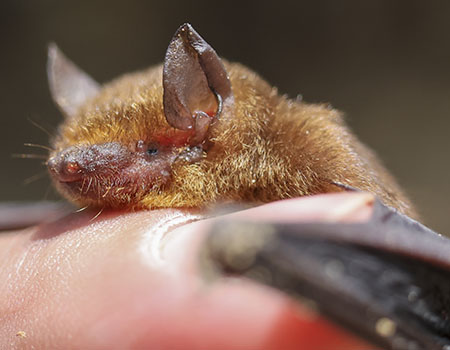
Rabies is spread mostly through animals; most commonly bats in California
An exposure means you’ve been bitten, scratched or exposed to the saliva of the animal by touching it.
Post-exposure prophylaxis, a series of shots, works well and saves lives.
(SACRAMENTO)
Rabies is something you probably don’t expect to encounter, but UC Davis Health experts say if you’re exposed, there’s little room for error.
A recent advisory about increased rabies exposures nationwide has prompted a lot of questions about rabies exposure and management. The Centers for Disease Control and Prevention (CDC) warning said the use of rabies post-exposure prophylaxis, a series of shots, was up significantly over the summer in several states.
“The reason that we care so much about rabies is that it’s nearly 100% fatal,” said Dean Blumberg, chief of pediatric infectious diseases at UC Davis Health.
The good news, Blumberg noted, is that post-exposure prophylaxis is very effective and saves lives. But it’s critical to know what counts as an exposure and when you should seek medical care.
What is rabies and how is it spread?
Rabies is a viral disease that spreads mainly through bites or scratches from infected animals, most commonly bats in California. In other parts of the country, raccoons, skunks and foxes may also spread the disease.
The old stereotype about rabies being spread by dogs is no longer accurate. Thanks to a strong pet vaccination program, the last known case of rabies transmitted by a dog to a human in California was more than 70 years ago, Blumberg said.
Rabies in humans is rare. Fewer than 10 deaths are reported each year, according to the CDC. But it is found in wildlife nationwide (except Hawaii) so it’s important to know what to look for.
Can you get rabies without being bitten?
You can get rabies without being bitten. Scratches or exposure to oral secretions from an infected animal can also lead to infection.
It is common in many parts of California to see bats flying around outside, especially at dusk. Blumberg said being outside and seeing them fly overhead does not count as an exposure.
“The real concern is if somebody touches a bat or if they pick up a bat,” he explained. “Children are naturally curious and may come across a wounded, injured or dead bat and may pick it up, touch it or examine it. Even touching it would be considered a significant exposure.” Blumberg said that type of exposure poses a risk for infection and medical intervention would be needed.
Should I worry about rabies if there is a bat in my house?
Bats are the animals most likely to spread rabies in California.
The concern with a bat in the house is whether anyone comes into contact with it or touches it. The goal would be to get the bat out of the house without touching it. But if you wake up and find a bat has been in the house while you are sleeping, experts say you may not know whether you’ve been exposed or not, which could be a concern.
“The teeth are so small, that if people are asleep, for example, they may not even know that they were bitten by a bat,” Blumberg said. Even with a careful examination, it may not be clear that there was a bite, so if you wake up with a bat in the house, Blumberg said a primary care provider can help you determine next steps.
When should I seek medical care after a bat encounter?
If there is any chance that you’ve been exposed to secretions, a bite or scratch, or have touched the bat, contact your primary care provider.
What should I do after a possible bat exposure?
Do not touch the bat.
Wash any bite or scratch with soap and water.
Contact your primary care provider immediately.
Do not wait for symptoms to develop before seeking care.
What are the symptoms of rabies?
You will want to seek medical care after a possible rabies exposure before any symptoms are present. Don't wait.
There are no real symptoms at first, as it can take weeks to months for the rabies virus to travel to the central nervous system — to the brain, where infections can be potentially fatal.
If it does infect the brain, then rabies causes encephalitis. People start off with a fever and very non-specific symptoms, but then eventually they become confused. They might become afraid of water, they might have seizures, they might become aggressive and eventually they end up in a coma and pass away.
Seeking medical care as soon as you suspect you might be exposed is critical.
If you have a known or suspected rabies exposure, you should reach out to your primary care physician right away. They will likely also contact public health authorities to determine if wildlife in the area have tested positive for the virus.
Typical care includes cleaning of the wound (if there is one) and a series of shots, including rabies immune globulin and vaccine, called post-exposure prophylaxis, or PEP.
“If we know somebody has been bitten or scratched or exposed, then we can prevent it from infecting the brain by giving post-exposure prophylaxis,” Blumberg explained.
Post-exposure prophylaxis is highly effective. You may remember hearing stories about a long series of painful rabies shots, but Blumberg noted that things have changed.
“The vaccine has been improved and there are fewer doses and fewer side effects, so that should not deter someone from getting the injections if they have been exposed,” he said.
About 100,000 Americans are treated for possible rabies exposure each year, according to the CDC.
The bottom line about rabies
Rabies is nearly always fatal without intervention, but post-exposure prophylaxis, a series of shots delivered after exposure, is effective and readily available.
If you think you’ve been exposed to rabies through contact with a bat or other animal, contact your primary care provider right away.