Children's HealthOctober 15, 2026
Remote monitoring program improves diabetes management for youth with type 1 diabetes
(SACRAMENTO)
A UC Davis Health pilot remote patient monitoring (RPM) program for youth with type 1 diabetes has shown promising results: young patients improved blood glucose management between clinic visits and enjoyed timely access to clinical support.
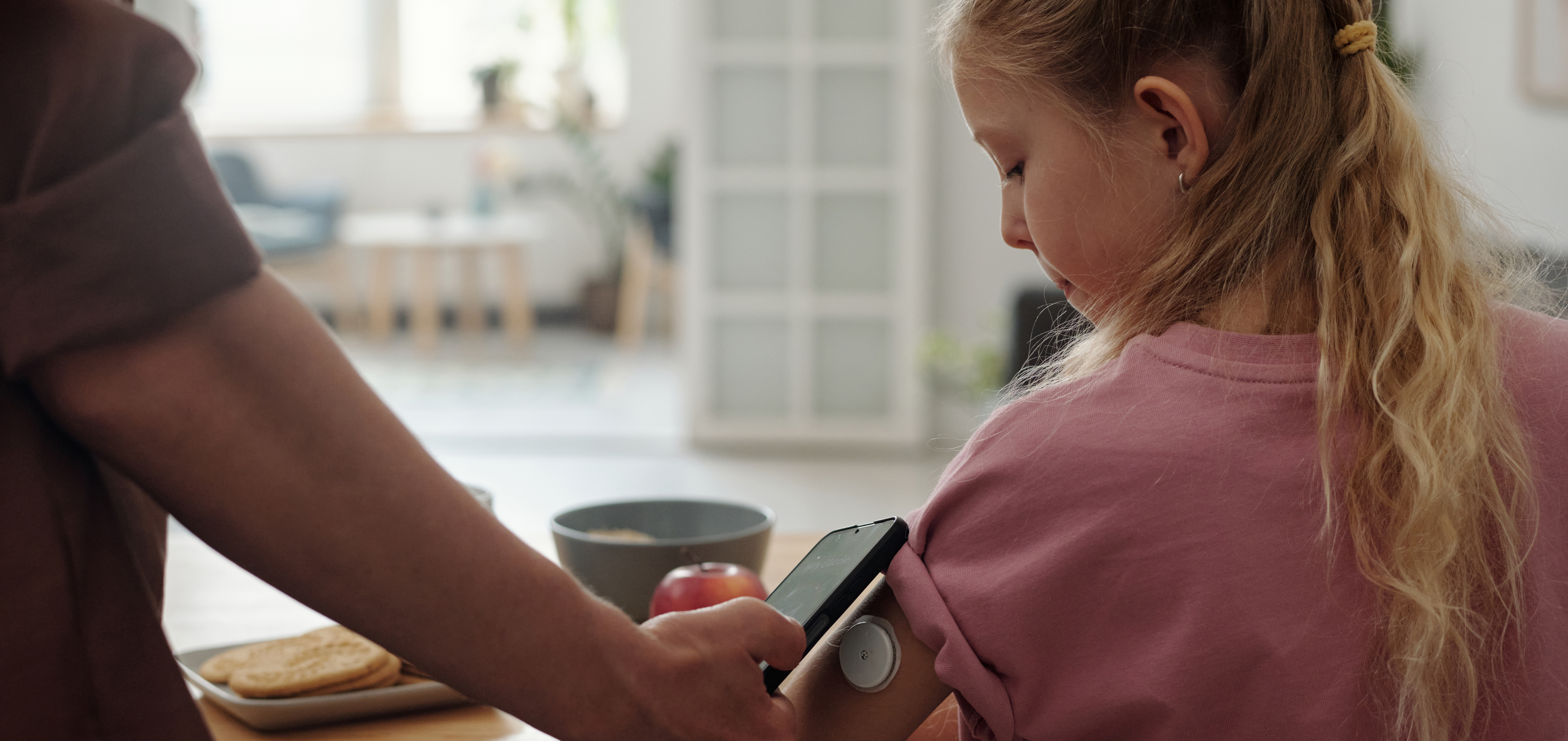
The program enrolled 20 youths with type 1 diabetes who had elevated hemoglobin A1C levels (above 8%) and were already using continuous glucose monitoring (CGM) technology. Over four months, clinicians reviewed CGM data weekly and reached out when patients met criteria indicating a need for additional support.
“Continuous glucose monitoring provides a wealth of health information, but the data often goes largely unreviewed between office visits,” said UC Davis pediatric endocrinologist Stephanie Crossen, who led the initiative. “This pilot demonstrates how remote monitoring can help us proactively identify patients who may be struggling and offer personalized guidance when they need it most.”
During the program, clinicians monitored measures such as:
- Time-in-range (the percentage of time a patient’s glucose level stays within a target range)
- Changes in glucose control
- Hypoglycemia (low blood sugar)
- CGM wear time (the maximum number of days a single continuous glucose monitor can be worn before it must be removed and replaced with a new one).
Participants received support through phone calls, text messages or electronic medical record messaging when intervention was needed.
Remote patient monitoring supports better glycemic control
The pilot produced meaningful improvements in glycemic control. Average time-in-range, a key measure of diabetes management, increased from 34.4% at baseline to 40% by the end of the program.
Participants also experienced a significant reduction in time spent above target glucose levels, decreasing from 64.8% to 58.9%. Most notably, 35% of participants achieved a time-in-range improvement of 10% or greater, a change that correlates with an estimated 0.5% to 0.8% improvement in hemoglobin A1C.
Participants also reported high satisfaction with the program. Nearly half (44%) of the patients described RPM as “very helpful,” while 56% said it was “a little helpful.”
Eighty-three percent of participants indicated that remote monitoring should continue as part of their diabetes care. Frequently cited benefits included helping patients stay focused on diabetes management between appointments and making it easier to receive support from their care team.
Insight from the pilot program
The pilot program also identified important opportunities for future refinement. Clinicians found that outreach often required repeated attempts, with phone calls proving more effective than text messaging alone. Researchers also observed considerable variation in reimbursement of RPM services across public and private insurance plans, highlighting ongoing challenges in creating sustainable care models.
Based on the pilot’s success, the team plans to expand its remote monitoring capabilities by:
- Integrating the diabetes data platform Tidepool into the hospital’s electronic medical record software
- Refining documentation and billing workflows
- Providing additional staff training
- Studying RPM in newly diagnosed Type 1 diabetes patients through a multi-site research grant.