Adult Physical Rehabilitation
Rehabilitation can help you move around better and keep your independence after cancer, stroke or injury.
Medically reviewed by Keerthi Atluri, M.D. on Sep. 30, 2026.
Adult Physical Rehabilitation Services
We know recovering from an injury, illness or surgery can feel challenging at times. The experts at UC Davis Health Department of Physical Medicine and Rehabilitation can help.
We offer specialized rehabilitation care and will support you through every step. When an illness, injury or surgery stops your muscles from working as well as usual, physical rehabilitation can help you recover better and faster.
Our team members work together to help you regain strength and independence after medical events such as brain injury, stroke, amputation or sports injuries. We also provide care for people who have cancer, cardiopulmonary conditions or neurological conditions, such as spinal cord injuries and multiple sclerosis.
Your rehab team could include a physical therapist, occupational therapist, speech therapist, physician and psychologist. You receive high-quality care and personal attention from our specialists.
We design custom treatment plans to support you as you recover. We also work closely with you to help you meet your goals and focus on providing you the best possible result.
On this page
Adult Physical Rehabilitation Treatments
UC Davis Health physical medicine and rehabilitation care helps you reach the maximum possible level of movement and independence. Specialists like physical, occupational and speech therapy experts work together to help you build strength and move better. With our compassionate and skilled team, you can feel confident in your care.
Physical Therapy
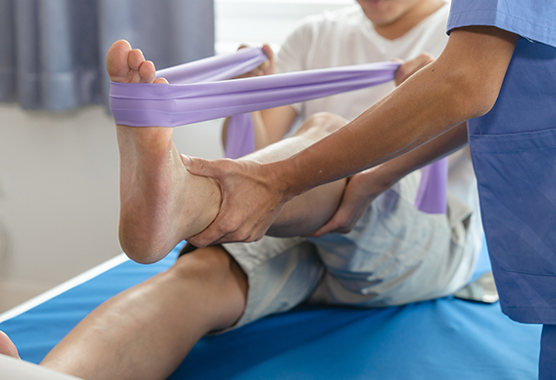
Physical therapists teach you exercises to help you move more easily after an illness or injury. They can help you learn to walk more steadily, use devices like a walker and stay safe while you move.
Occupational Therapy
Occupational therapists can help you relearn how to do daily activities like eating, dressing and washing up. They can also help you strengthen your arms and hands.
Sports Medicine
Our sports medicine experts can help you recover if you have a sports-related condition or injury. Your team may include a physical therapist, occupational therapist, dietitian and sports psychologist. Together, they can treat overuse, sprains and tissue tears.
Orthotics
Orthotic devices, also called braces, can protect you after an injury and help you heal. They can also help lessen pain, help you walk and make daily activities more manageable.
Speech-Language Pathology
Speech-language pathologists, sometimes called speech therapists, can help you communicate, concentrate and swallow better. Speech therapists can treat health conditions like difficulty swallowing (dysphagia), traumatic brain injuries and speech disorders.
Cardiopulmonary Rehabilitation
We treat conditions that affect your heart and lungs. Cardiac rehab strengthens your heart through lifestyle changes and exercise. Pulmonary rehab helps you breathe more easily with a lung condition or after a serious illness.
Psychological and Social Services
Our psychological and social service experts can help you improve your mental health as your body recovers. Our neuropsychology experts can assess your brain’s function and talk about potential treatments if needed. A social worker can help you get help at home, provide family support and help you get back to work.
Pelvic Floor Therapy
Physical therapists can teach you exercises to strengthen the muscles lining the bottom of your pelvis (your pelvic floor). These muscles hold in organs like your uterus and bladder. They also help you control when you urinate or have a bowel movement.
Hand Therapy
Hand therapy specialists work with you to increase strength and lessen pain in your hands and wrists. Hand therapy can treat carpal tunnel syndrome, arthritis, tendon injuries, nerve injuries and fractures.
BIG Therapy for Parkinson’s Disease
The Lee Silverman Voice Treatment-BIG therapy can help you move more easily with Parkinson’s disease. Your care team will create a treatment plan with you to match your goals.
Vestibular Rehabilitation
Vestibular rehabilitation treats dizziness. This therapy can help you keep your balance and lower your risk of falls. You may have vestibular rehabilitation with a physical or occupational therapist.
Request an Appointment
As Sacramento's No. 1 hospital, you'll benefit from unique advantages in primary care and specialty care. This includes prevention, diagnosis and treatment options from experts in 150 specialties.
Referring Physicians
To refer a patient, submit an electronic referral form or call.
Patients
Call to make an appointment.
Consumer Resource Center
Preparing for Rehabilitation
Your care team will tell you how to prepare before you go to a rehabilitation appointment. They will also explain what you can expect during your visit and what you can do at home afterward.
-
Before Rehabilitation
Your therapist may tell you to take pain medication before you go to rehabilitation therapy. If you plan to stay in our rehabilitation hospital overnight, be sure to pack comfortable clothing, non-slip sneakers and pajamas. Also bring your glasses, hearing aids, toiletries, special medications and a sweater or jacket.
-
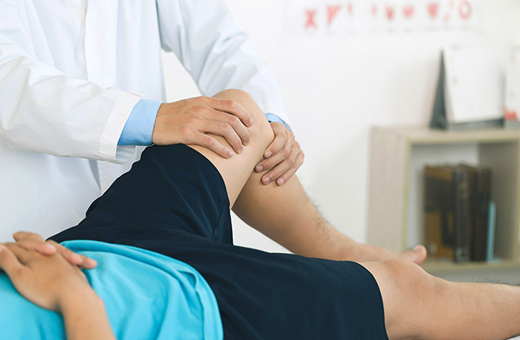
During Rehabilitation
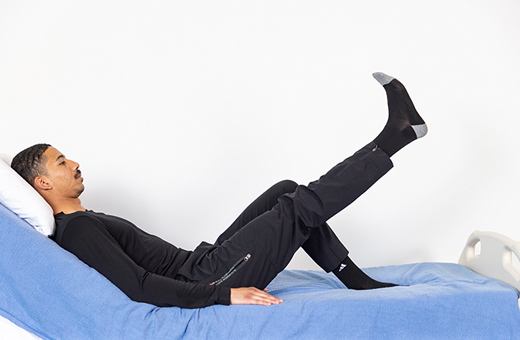
Your therapist will explain exercises step by step. Your care team will give you a therapy schedule if you are staying for multi-day rehab so you know what to expect.
-
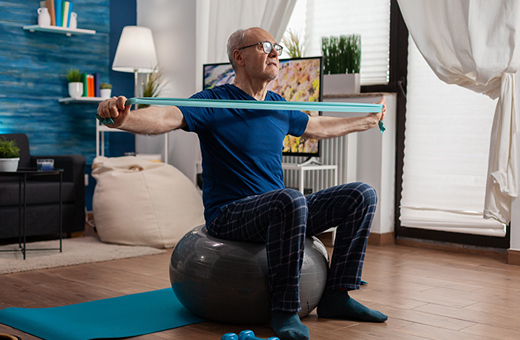
After Rehabilitation
After your appointment, your therapist will give you exercises you can do at home to gain strength between visits. When you go home after an overnight rehab stay, your care team will give you detailed discharge instructions.
Home Care
Your team will give you exercises and instructions to help you keep getting stronger after you return home.
Do Exercises Consistently
You can recover faster and with better results when you do your therapy exercises after discharge and between visits.
Create a Safe Home Setup
Setting up safety measures at home can prevent you from getting injured while you build up your strength. For example, you can add grab bars in the bathroom, remove loose rugs and add more lighting in walkways. You can also ask your therapist for their safety suggestions.
Go to Follow-Up Visits
Your therapist can check in with you at follow-up visits and make any adjustments you might need to your exercises. They can also teach you new exercises and adjust your treatment plan if needed.
Awards and Recognitions
Ranked among the best in 6 specialties
A U.S. News & World Report best hospital in cancer care, cardiology, heart & vascular surgery, geriatrics, neurology & neurosurgery, orthopedics, and pulmonology & lung surgery.
Ranked among the nation’s best children’s hospitals
U.S. News & World Report ranked UC Davis Children’s Hospital among the best in pediatric nephrology, orthopedics*, and neonatology. (*Together with Shriners Children’s Northern California)
Ranked Sacramento’s #1 hospital
Ranked Sacramento’s #1 hospital by U.S. News, and recognized in 23 types of care including acute kidney failure, cancer care, cardiology, heart & vascular surgery, COPD, colon cancer surgery, diabetes, diabetes & endocrinology, ear, nose & throat surgery, gastroenterology & GI surgery, geriatrics, gynecological cancer surgery, heart arrhythmia, heart attack, heart failure, hip fracture, hip replacement, leukemia, lymphoma & myeloma, lung cancer surgery, neurology & neurosurgery, orthopedics, pneumonia, pulmonology & lung surgery and stroke.
The nation’s highest nursing honor
UC Davis Medical Center has received Magnet® recognition, the nation’s highest honor for nursing excellence.
World-class cancer care
One of ~59 U.S. cancer centers designated “comprehensive” by the National Cancer Institute.
A leader in health care equality
For the 13th consecutive year, UC Davis Medical Center has been recognized as an LGBTQ+ Healthcare Equality Leader by the educational arm of America’s largest civil rights organization.
Latest News