Behind every clinician is someone who helped them get there
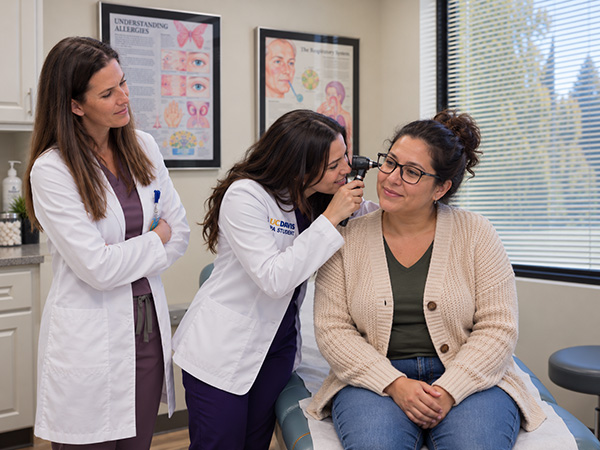 Alumna Shea Smith, left, guides a physician assistant student from the School of Nursing through a patient exam at her clinic, which serves rural Northern California communities.
Behind every skilled nurse or physician assistant (PA) is an experienced clinician who helped them turn classroom knowledge into compassionate, high-quality patient care.
For Deb Bakerjian, associate dean for practice at the Betty Irene Moore School of Nursing at UC Davis, these mentors are essential to preparing the next generation of healthcare professionals.
“Nursing and physician assistant education are practice-based disciplines. You learn by doing, alongside experienced clinicians who do it well,” Bakerjian said.
Clinical education gives students opportunities to apply classroom knowledge while caring for real patients. With guidance from experienced clinicians, they learn to make decisions, communicate with patients and adapt care to individual needs.
As the need for healthcare professionals grows, so does the need for preceptors, experienced clinicians who guide students through hands-on learning.
“Demand for clinicians is growing, but the number of clinical placements hasn't kept pace,” Bakerjian said.
Many experienced clinicians want to give back by mentoring students, but heavy patient workloads, limited time and workplace requirements can make it difficult.
The impact extends beyond the classroom. Today's students will become the nurses and PAs caring for our families, neighbors and communities. The guidance they receive now helps shape the quality of care patients will experience for years to come.
From student to preceptor
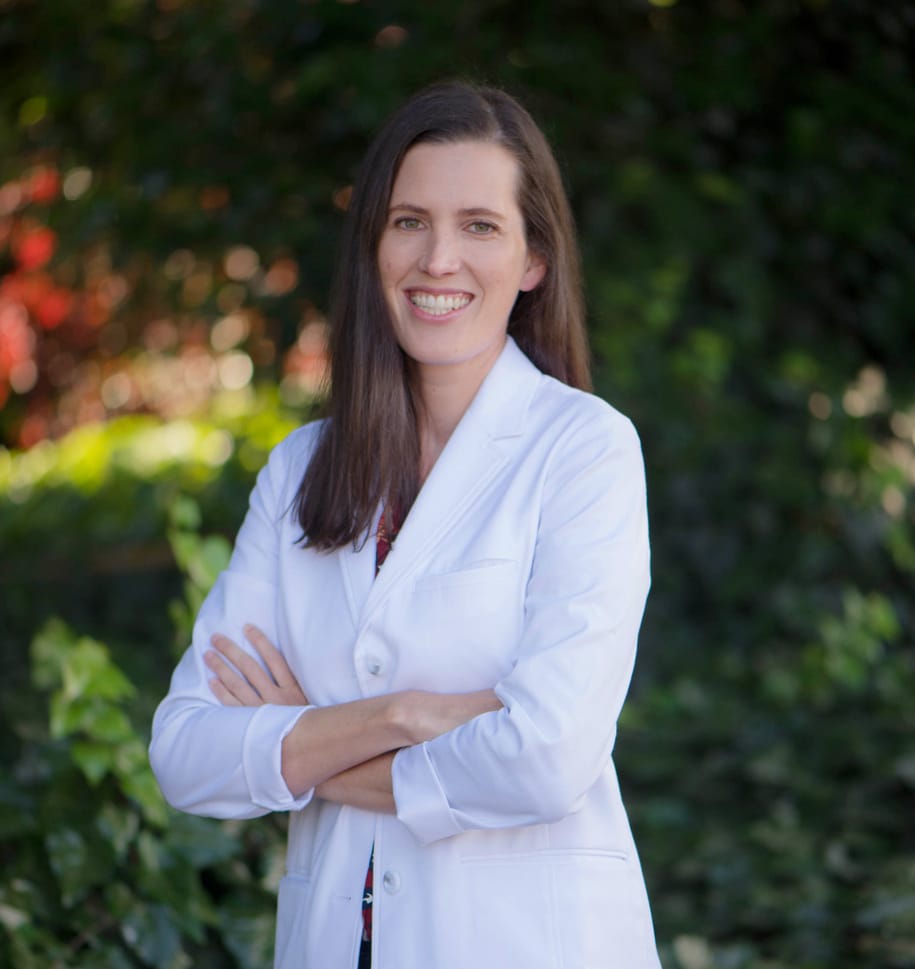 Alumna Shea Smith, left, guides a physician assistant student from the School of Nursing through a patient exam at her clinic, which serves rural Northern California communities.
For PA alumna Shea Smith, the impact of precepting is personal.
During her clinical rotations, Smith learned from a preceptor who emphasized the importance of seeing patients as people, not simply by their symptoms or diagnoses.
“The classroom teaches you medicine, like the science of medicine, but clinical rotations, they teach you how to practice it, which is the art of medicine,” Smith said. That approach continues to shape Smith's work serving rural and underserved Northern California communities, where access to care, transportation and medications can be limited.
Today, Smith is a preceptor herself, welcoming PA students from the School of Nursing into her clinic and helping them develop clinical judgment, confidence and communication skills.
Each day begins with reviewing patient cases and identifying learning opportunities. Smith encourages students to explain their decisions and think beyond textbooks. One of her greatest rewards is watching nervous students grow into confident clinicians.
Bakerjian sees the importance of mentorship extending beyond graduation. Through the school's Advanced Practice Provider Fellowship, experienced clinicians help new nurse practitioners and PAs build confidence, strengthen their clinical skills and transition into professional practice.
Giving back, creating lasting impact
Precepting also benefits experienced clinicians, encouraging them to stay current with medical knowledge and reflect on how they care for patients.
As an alumna, faculty member and donor, Bakerjian understands the importance of giving back. She sees clinical education as an opportunity to make a lasting difference for students and the patients they will serve.
The school's new Clinical Immersion and Preceptor Support Fund builds on this commitment by creating more opportunities for hands-on learning, supporting preceptors, and strengthening clinical partnerships. Together, these efforts help prepare future nurses and PAs to provide high-quality care in their communities.
“Every hour a preceptor invests comes back as years of better care for patients,” Bakerjian said.
For Smith, giving back is personal. Before becoming a PA, she had a mentor who allowed her to shadow her and guided her through the application process. Recently, Smith helped another aspiring PA through that same journey and the student was accepted into a program.
“If you reach a certain point of success, you don't close the door behind you, you reach back and help the next person through it,” Smith said.
That spirit of mentorship reflects the heart of clinical education at the School of Nursing. Whether guiding a student through a first patient encounter or helping a new clinician build confidence, preceptors make a difference that reaches far beyond the classroom.
“If you're a nurse or clinician reading this, think about who helped you become the professional you are. Now you can be that person for someone else,” Bakerjian said.