
Alumni and events
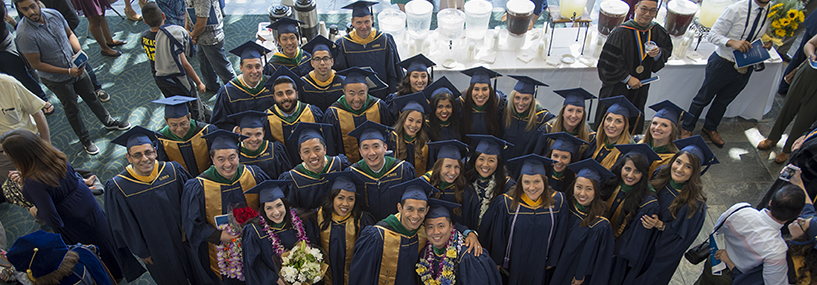
As alumni of the Betty Irene Moore School of Nursing at UC Davis, you are the school’s most important asset and its greatest strength. As leaders in health care organizations, faculty at higher education institutions, members of primary-care teams and influencers within policy-making bodies, you illustrate how graduates fulfill the vision and mission of the school.
Through word-of-mouth support to promote the school and financial support to enable future students to benefit from the philanthropy that yielded your education, your involvement is critical to the future success of the school. Through your partnership, faculty, staff and students at the School of Nursing discover ways to advance health, improve quality of care and shape policy.
Alumni distinctions
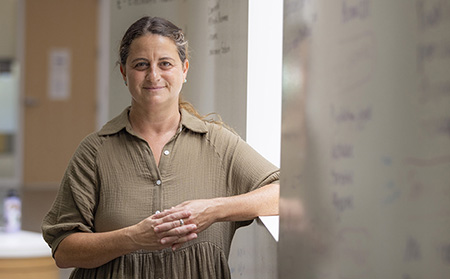 Leaning into research to give women a voice
Marla Shauer completed a Doctor of Philosophy degree so she could make the change she wanted to see happen. She chose the Betty Irene Moore School of Nursing at UC Davis for its flexibility, financial support and faculty mix.
Read and watch Marla's Story
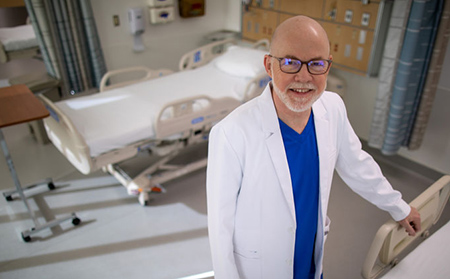 A lifelong dream becomes an amazing reality
Bill Randall, a 2020 graduate of the Doctor of Philosophy Degree Program, said earning the terminal degree allowed him to achieve his dreams in the nursing profession — and even go beyond those dreams. Read and watch Bill's Story
Latest school news
Oct. 14 — Professor publishes international study on dementia during hospital stays
Shu-Fen Wung, a professor at the Betty Irene Moore School of Nursing at UC Davis, published The Experience of Family Caregivers Accompanying Older Adults with Dementia During Hospitalization: A Qualitative Descriptive Study in the Journal of Gerontological Social Work.
Shu-Fen's international collaborative research found that family caregivers of hospitalized older adults with dementia in Taiwan value person-centered care but often struggle with caregiving burden, limited respite opportunities and uncertainty about post-discharge care. Caregivers also identified long emergency department wait times, challenging hospital environments and a need for greater dementia awareness and support from healthcare teams.